Meeting the manatees
Every cool morning from late fall to early spring, manatees drift into the warm water off Riviera Beach. Here is where to meet them, when to come, and how to watch without harming them.
On a cold winter morning, in the warm water along the Riviera Beach shore, something remarkable happens: manatees gather by the dozen — sometimes the hundreds — huge, slow, whiskered, and impossibly gentle, drifting nose to tail just off a viewing deck where you can watch them for free. This is Manatee Lagoon, one of the most touching wildlife experiences in Florida, and it is a short drive from the island. If your stay falls in the cool months, meeting the manatees is very close to a must — and this guide explains why they come, when to go, and how to watch them the right way.
IMeeting a gentle giant
There is nothing quite like your first sight of a wild manatee. They are enormous — often a thousand pounds or more — and yet utterly peaceful, grazing on seagrass, rising slowly to breathe, nuzzling one another in the shallows. They have no defenses and no aggression; they are among the mildest large animals on earth, and being near a group of them is a strangely moving experience.
The best and easiest place to meet them near the island is Manatee Lagoon, a free education center on the Lake Worth Lagoon waterfront in Riviera Beach, built specifically around the winter gathering of manatees at this spot. From its observation decks you can watch dozens of animals in the warm water below, with naturalists on hand to explain what you are seeing.
What makes it special is the combination: wild animals, in real numbers, viewed from land at no cost, with the whole thing framed by a thoughtful center that turns the sighting into understanding. It is a wildlife encounter the whole family can share, and it asks nothing of the animals in return — which, as we will see, is exactly the point.
IIWhy the manatees come here
The gathering is not a coincidence or a feeding operation — it is about warmth. Manatees, despite their bulk, cannot tolerate cold water for long; when temperatures drop below about 68°F (20°C), they suffer cold stress that can be fatal. In winter, when the lagoon and ocean turn cold, they must seek out warm-water refuges to survive.
Here, that refuge is man-made. The adjacent Florida Power & Light clean energy center draws in water to cool its operations and discharges it, warmed, back into the lagoon. That plume of warm water is a lifeline for the manatees, who congregate in it on cold days exactly as they would at a natural warm spring. The power company built the education center to share the spectacle its outflow creates.
It is a fascinating, slightly bittersweet story: an industrial byproduct has become critical winter habitat for a threatened species, to the point that the manatees now depend on these artificial warm-water sites. Understanding that is part of what makes the visit more than just a nice look at some big animals — it is a window into the tangled relationship between wildlife and the modern world.
IIIWhen to go: manatee season
Timing is everything, because the manatees are only here in the cold months. The official manatee season at the center runs roughly from mid-November through the end of March, and that is the window in which you have a real chance of seeing them.
Within that window, the golden rule is: the colder the day, the more manatees. On a mild, warm winter day, the animals have less need to huddle in the warm outflow and may be scattered; but on a cold morning — especially a day or two after a cold front pushes through — they pack into the warm water in astonishing numbers. So, counterintuitively for a Florida holiday, you want to time your visit for the chilliest day of your stay.
Early in the day is generally best, and it is worth checking the center's own updates, which often report how many manatees are being seen. Outside the winter season, the center may be closed or manatee-free — the animals disperse to feed once the water warms — so this is very much a cool-weather experience. If you are visiting in summer, see the note below on other ways and places to spot the occasional manatee.
IVWhat is Manatee Lagoon?
Manatee Lagoon is a purpose-built, two-story education center on the water, and it is far more than a viewing platform. Admission is free, which alone makes it one of the best-value outings in the area.
Inside and out you will find observation decks right over the warm-water gathering spot, interactive exhibits about manatees and the lagoon ecosystem, knowledgeable staff and volunteers, a gift shop, and a café with a lovely waterfront view. There are picnic areas and open lawn outside, and the whole place is designed for an easy, pleasant visit whether you stay twenty minutes or half a day.
The center strikes a nice balance: it is educational without being dry, family-friendly without being a theme park, and centered on the animals and their conservation. It is the kind of civic amenity that makes you glad it exists — a free, thoughtful place to encounter wildlife, funded and maintained so that anyone can come and be moved by a manatee.
VThe animal itself
The manatees you will see are Florida manatees, a subspecies of the West Indian manatee — large, slow-moving marine mammals sometimes called "sea cows" for their placid, grazing ways. Adults commonly reach ten feet and a thousand pounds or more, and they are pure herbivores, spending their days eating vast quantities of seagrass and other aquatic plants.
They are surprisingly gentle and curious, with bristled snouts, paddle-like tails, and small eyes that give them a perpetually mild expression. They surface every few minutes to breathe, resting and grazing in between, and they have no natural predators — their only real threats come from the human world. They are also long-lived and slow to reproduce, which is part of why their populations are so sensitive to disturbance.
Watching them, it is easy to see why they have inspired such affection and folklore — some say they are the source of old sailors' mermaid tales. There is a deep calm to them that is contagious; spend a while at the rail watching a group drift and breathe, and you find your own pace slowing to match theirs.
Manatee manners — and the law
Manatees are protected, and it is illegal to harass, touch, feed, or give water to them — even with good intentions, these actions harm the animals by drawing them to people and boats and disrupting their natural behavior. Watch from the deck or, if you are on the water, from a respectful distance; never chase, corner, or pursue them. Boaters must obey posted slow-speed and manatee zones and keep a sharp lookout. The kindest thing you can do for a manatee is to admire it and leave it entirely alone.
VIManatee manners
Because manatees are so gentle and so beloved, people's instinct is to get close — and that instinct, however warm, is exactly what the animals need protecting from. Responsible viewing is not just etiquette here; it is the law, and it matters for the manatees' survival.
At Manatee Lagoon, the design solves the problem for you: you watch from decks above the water, close enough for a wonderful view but with no way to disturb the animals. That is the ideal. If you encounter manatees elsewhere — from a kayak, a boat, or a dock — the same principles apply: keep your distance, move slowly and predictably, never touch or feed them, and never separate a mother from a calf.
Teaching children this ethic is part of the value of a visit. The lesson that the best way to love a wild animal is to leave it undisturbed is one worth carrying home, and Manatee Lagoon models it perfectly: maximum wonder, zero interference. Follow its example everywhere you meet wildlife on this coast.
VIIThreats and conservation
Part of what the center gently teaches is that manatees, for all their charm, are a species under real pressure. Understanding that adds weight and meaning to the sight of them.
Their gravest daily danger is boat strikes — many manatees carry scars from propellers, which is exactly why slow-speed zones exist and matter. Beyond that, they are threatened by cold stress in harsh winters, by red tide and other toxic algae events, and, most fundamentally, by the loss of the seagrass they depend on for food, which has suffered badly in some Florida waters in recent years.
The manatees' reliance on artificial warm-water sites like this one is itself a conservation puzzle for the future. All of which is to say: the gathering you are watching is both a joy and a fragile thing, sustained by human care and vulnerable to human carelessness. The center exists to turn delighted visitors into people who slow their boats, protect the seagrass, and care what happens next.
VIIISeeing manatees elsewhere
Manatee Lagoon is the surest bet in winter, but manatees range throughout the Lake Worth Lagoon year-round, and you may encounter them in other spots — especially in the warmer months when they disperse from the warm-water refuges.
Paddlers on the calm lagoon, particularly around MacArthur Beach's Lake Worth Cove and the seagrass flats, sometimes share the water with grazing manatees. Divers and snorkelers occasionally meet one drifting through the Blue Heron Bridge site. And they turn up around marinas, docks, and the quieter corners of the Intracoastal, where they come to rest and feed.
If you are lucky enough to meet one on the water, treat it as a gift and follow the rules to the letter: keep your distance, cut your speed or stop, and simply watch. A wild manatee encountered on its own terms, out in the lagoon, is even more special than one seen from the deck — precisely because it is unplanned and undisturbed.
IXA visit with children
Manatee Lagoon is a wonderful family outing, and one that tends to land emotionally with children in a way few attractions do. There is something about a huge, gentle animal that captivates kids completely.
The center is built for young visitors: hands-on exhibits, room to move, outdoor lawn and picnic space, and staff who love to answer children's endless questions. Because it is free, there is no pressure to "get your money's worth" — you can pop in for as long as the manatees and the children's attention hold. On a good cold day, watching a child's face as they spot their first wild manatee is worth the trip on its own.
It is also a gentle first lesson in conservation and respect for wildlife — the idea that we protect what we love by keeping a respectful distance. Pair the visit with the nearby waterfront for lunch, bring layers for the cold morning that brings the manatees out, and you have an easy, meaningful half-day that costs almost nothing.
XEvents and programs
Beyond drop-in viewing, the center runs a calendar of events and educational programs through the season, and it is worth checking what is on when you visit.
The season traditionally kicks off with a large community festival celebrating the manatees' return, and throughout the winter there are talks, activities, and programs aimed at all ages. These add depth to a visit and are often free or low-cost, in keeping with the center's mission. For school-age children especially, a program or a talk can turn a nice look at some animals into a genuine spark of interest in marine life and conservation.
Because schedules and offerings change year to year, the smart move is to check the center's current calendar before you go, particularly if you want to catch a special event or a naturalist talk. Even without a scheduled program, the on-site staff and volunteers are a program in themselves, happy to share what they know with anyone at the rail.
XICombining your visit
A manatee visit slots neatly into a wider day, because the center sits amid several other worthwhile stops on the mainland side of the water.
It is close to the Riviera Beach City Marina and Marina Village, with its waterfront restaurants — an easy pairing for lunch after a cold morning with the manatees (see the boating and marinas guide). Downtown West Palm Beach, with its dining and culture, is just to the south (see the West Palm Beach guide). And the whole outing pairs naturally with the region's other wildlife experiences — the sea turtles and the nature preserves.
A classic cold-morning plan: arrive at Manatee Lagoon early when the manatees are packed in, spend an hour or two watching and learning, then head to the marina or downtown for a warm lunch. It is a gentle, low-cost, deeply memorable way to spend a winter day — the kind of thing you will still be talking about long after the beach days blur together.
XIIPractical: hours, cost, parking
The practicalities are refreshingly simple. Admission and parking are free. The center is generally open through the manatee season and often beyond, though it is typically closed one day a week (commonly Mondays) — so check the current days and hours before you go, especially outside peak season.
Come on the coldest day of your stay for the most manatees, arrive in the morning, and bring a warm layer — the mornings that bring the manatees out are, by definition, chilly, and the observation decks are exposed to the water breeze. Binoculars are a nice bonus, though the animals are often close enough not to need them.
There is a café on site for coffee and a bite, restrooms, and a gift shop, so it is an easy, comfortable visit. Allow anywhere from a quick half-hour look to a relaxed couple of hours with the exhibits and a coffee on the deck. Because it is free and close, it is also easy to pop back a second time if your first day turns out mild and manatee-light.
XIIIIf you see one in trouble
Occasionally, out on the water, you may come across a manatee that appears injured, entangled, or in distress. Knowing what to do matters, because a quick report can save an animal's life.
Do not attempt to touch, move, feed, or "rescue" the animal yourself — well-meaning interference usually does more harm than good, and handling a manatee is both dangerous for it and illegal. Instead, note the location and call Florida's Fish and Wildlife hotline (the FWC Wildlife Alert line), which dispatches trained responders. Staff at Manatee Lagoon can also point you to the right contacts.
The same goes for any manatee you see being harassed by people or boats: the best response is to report it, not to confront anyone yourself. Florida's manatee-protection efforts depend heavily on the public's eyes, and a single timely call from an observant visitor helps keep this gentle species alive.
XIVWatching and photographing them
Manatee-watching rewards patience, and a few small habits turn a quick glance into a real encounter. The animals are slow and subtle, so the trick is to settle in and let your eye adjust to their rhythm rather than rushing from spot to spot.
Give it time at the rail. What at first looks like a few grey shapes resolves, as you watch, into individuals — mothers with calves, animals rolling and nuzzling, snouts breaking the surface to breathe every few minutes. Look for the telltale swirl of a "footprint" on the surface where a manatee has fanned its tail, and for the gentle bump of a nose coming up for air. Move slowly along the deck, keep your voice down, and the longer you stay, the more you will see.
For photography, the light is best earlier in the day, and a polarizing filter helps cut the glare and see into the water. Never use flash. Because the animals are often just below a rippled surface, expect that many shots will be soft — but a raised snout, a rolling back, or a calf beside its mother makes a lovely image, and the memory matters more than the megapixels. Binoculars are worth bringing for the animals farther out.
Above all, simply be present with them. There is a meditative quality to watching manatees that a camera can get in the way of — some of the best minutes at the rail are the ones spent just looking, matching your breathing to theirs, letting the slow grey shapes work their quiet magic. That, more than any photo, is what people carry home.
XVWhy it matters
It would be easy to file Manatee Lagoon under "nice free thing to do on a cold day," and it is that — but it is also something more. It is a rare chance to stand a few feet from a wild, threatened animal and feel, viscerally, why it is worth protecting.
The manatees ask nothing of us but that we slow our boats, guard their seagrass, and leave them in peace — small things, easily given, that make the difference between this gathering continuing and fading away. A visit that leaves you a little more careful on the water, a little more invested in the health of the lagoon, has done exactly what the center hopes.
So if your stay falls in the cool months, go and meet them. Watch the great gentle shapes drift and breathe in the warm water, let the children press to the rail, and carry a bit of that calm and that care home with you. Of all the wildlife encounters this coast offers, the manatees may be the one that stays with you longest. Pair it with the sea turtles for the full story of the coast's gentle giants.
And if your stay happens to fall outside the cold months, keep it in mind for next time — the manatees are reason enough to plan a winter return. A place that gives you both the summer's turtles and the winter's manatees is a rare one indeed, and the island quietly delivers both.
Stay at OASENA
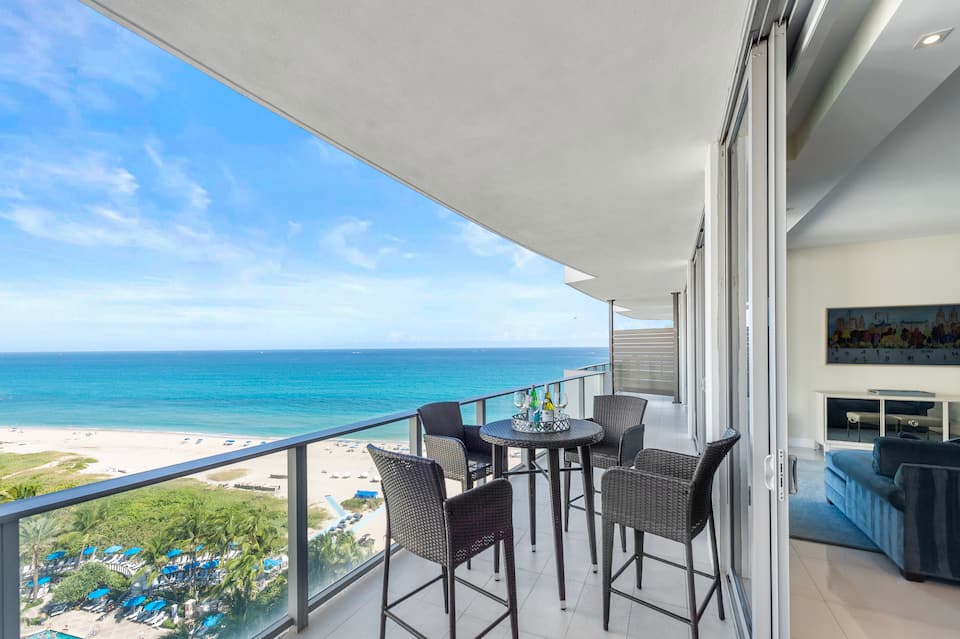
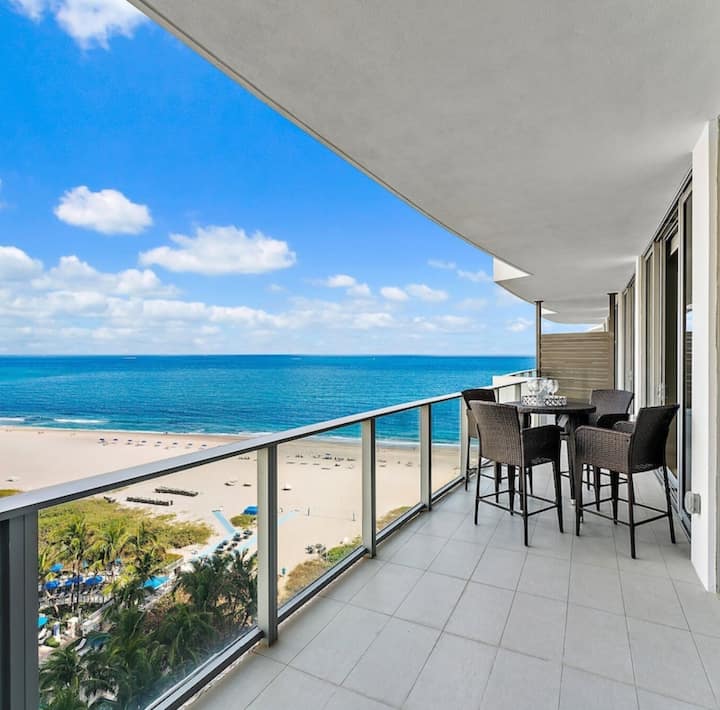
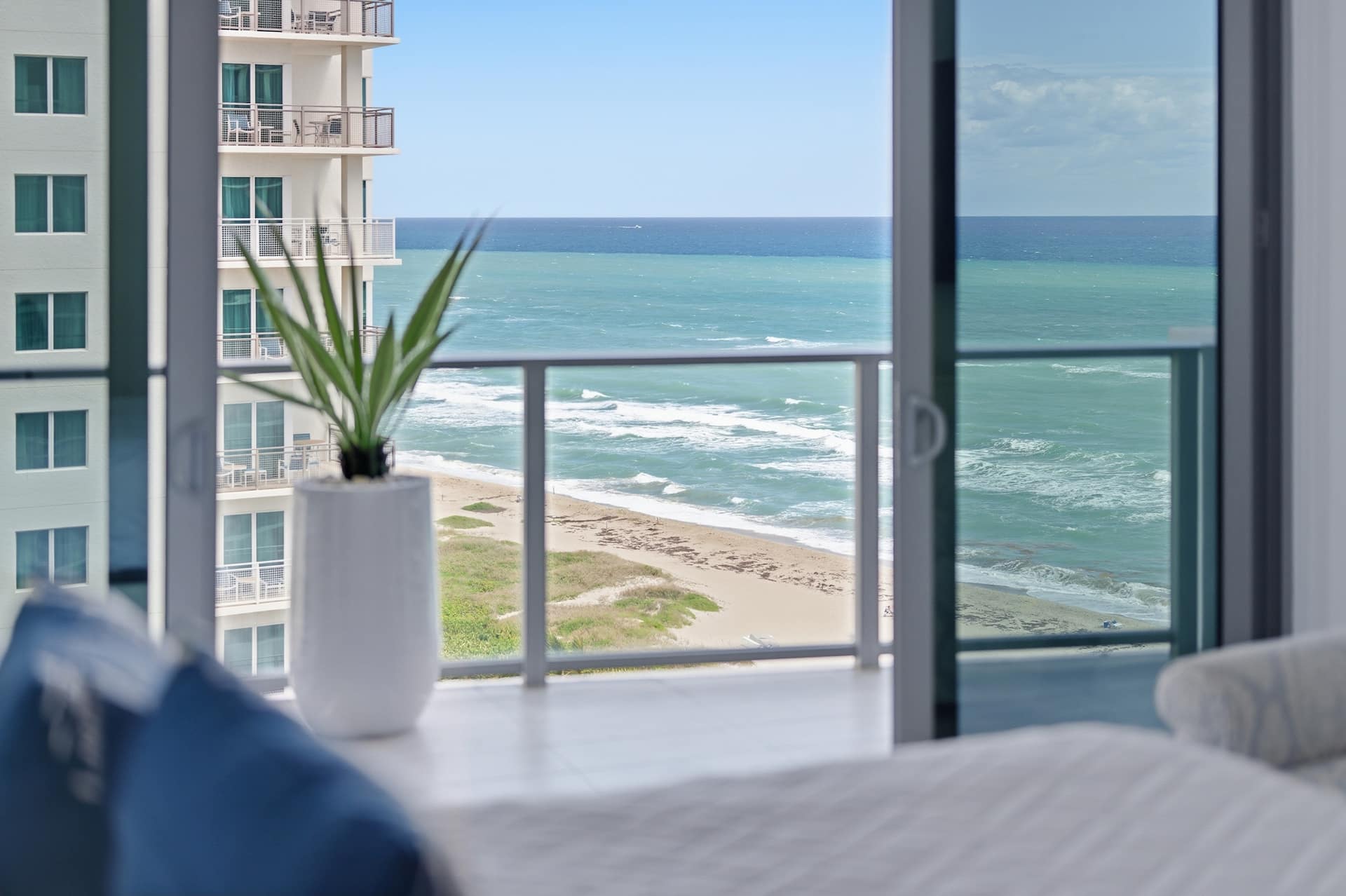
OASENA is a private two-bedroom home on the twelfth floor of the Happiness Tower — floor-to-ceiling ocean views, a sweeping balcony, and every guide in this collection within a short drive or a shorter walk.
OASENA is a privately owned residence within Amrit Ocean Resort & Residences and is not operated by, affiliated with, or endorsed by the resort. See credits & notes. Details in this guide are for general orientation and can change; confirm hours, prices and conditions locally before you set out.