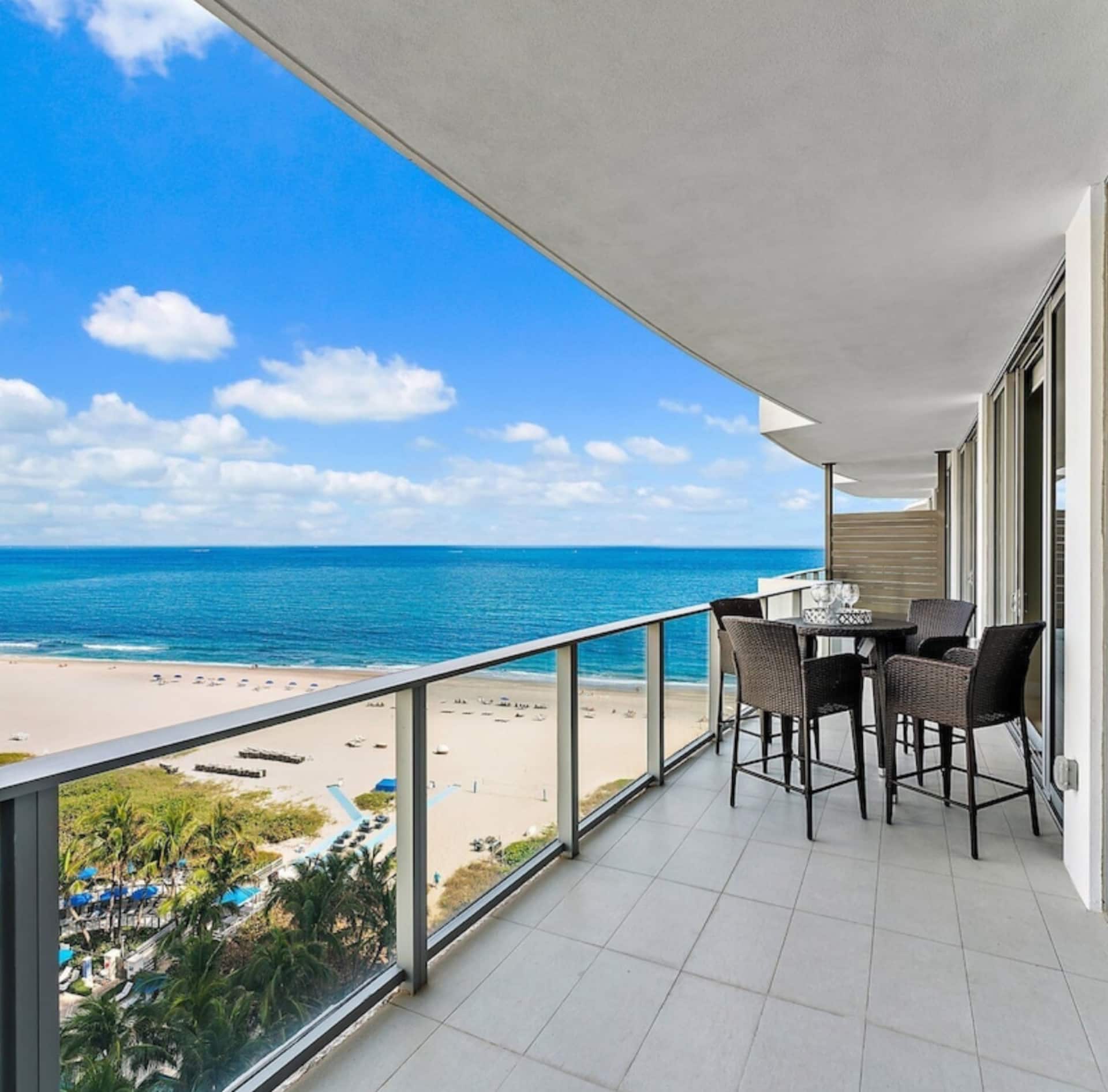
Wild Florida, nearby
Beyond the sand, a surprising amount of wild Florida survives within a half-hour of the island: cypress sloughs, pine flatwoods, and paddling trails. Here are the best preserves and what lives in them.
Say "Palm Beaches" and most people picture mansions and yachts, not wilderness. But drive fifteen or twenty minutes inland or up the coast and you find another Florida entirely: cypress swamps and pine flatwoods, wild and scenic rivers, remnant Everglades marsh, and preserves alive with alligators, wading birds, and gopher tortoises. It is one of the region's best-kept secrets — that a barrier-island holiday can also be a genuine nature escape. This guide maps the parks and preserves within easy reach of Singer Island, and how to make the most of them.
IWild Florida, closer than you think
The developed coast is a thin ribbon. Behind it, and threaded through it, survives a surprising amount of wild land — protected as state parks, county natural areas, and preserves — much of it within a half-hour of the island. These are not manicured gardens but real Florida habitat, and exploring them is a completely different pleasure from the beach.
Here you can hike a shaded hammock, paddle a river that looks as it did centuries ago, climb to the highest natural point in South Florida, or walk a boardwalk over a cypress marsh loud with birds and frogs. Many of these places are free or nearly so, uncrowded on weekdays, and a welcome contrast to the polish of the coast.
For anyone who likes to balance beach days with a walk in the woods, a paddle, or a wildlife encounter, the Palm Beaches deliver far more than their reputation suggests. What follows is a tour of the best of it, from the preserves on the island itself out to the edge of the Everglades.
IIThe habitats you'll walk through
Part of what makes exploring here rewarding is the sheer variety of ecosystems packed into a small area. Knowing what you are looking at makes every walk richer.
You will encounter pine flatwoods — open, sunny forests of slash pine and saw palmetto that are the workhorse habitat of the region; scrub, a rare, ancient, desert-like community of sand pine and scrub oak that shelters specialized species found nowhere else; hardwood hammocks, shady tangles of live oak, cabbage palm, and gumbo-limbo; and cypress swamp and freshwater marsh, the watery heart of the interior, where the Everglades system begins.
Along the coast and rivers you will also find mangrove estuary and coastal hammock. Each supports its own cast of plants and animals, and the transitions between them — a boardwalk from pine into cypress, a trail from scrub into hammock — are where the walking gets most interesting. It is a subtropical mosaic, and even a short outing usually crosses several of these worlds.
IIIOn the island: the coastal preserves
You do not have to go far at all — the wildest nature experiences begin on the island itself.
John D. MacArthur Beach State Park, at the island's north end, protects a rare coastal hammock and the Lake Worth Cove estuary alongside its wild beach, with nature trails, a boardwalk, and paddling. Peanut Island, in the inlet, offers a restored-habitat loop trail and a snorkeling lagoon. And Manatee Lagoon, on the mainland shore, is the winter gathering place of the manatees.
These three alone — beach hammock, spoil-island trail, and manatee refuge — give a taste of the coast's natural side without a real drive. They are covered fully in their own guides; think of them as the near end of the spectrum that runs, from here, all the way inland to the cypress swamps and the Everglades.
IVRiverbend Park and the Loxahatchee
A short drive north toward Jupiter lies one of the region's finest outdoor destinations: Riverbend Park, a large county park straddling the Loxahatchee River — the first river in Florida to earn federal "Wild and Scenic" designation, and one of the most beautiful stretches of water in the state.
The park offers miles of trails for hiking, biking, and horseback riding through oak hammock, pine, and cypress, and it is the classic launch point for paddling the Loxahatchee, a jungle-lined river where you glide beneath overhanging cypress past turtles, wading birds, and the occasional alligator. An on-site outfitter rents kayaks and canoes. The park also holds a piece of history — it was the site of Seminole War battles — with interpretive markers along the trails.
Riverbend is free to enter, open, and easy, and it works for everyone from a gentle stroller-friendly walk to a serious river paddle. For many visitors it is the single best introduction to the wild interior, and it pairs naturally with a day exploring Jupiter (see the day trips guide).
VJonathan Dickinson State Park
A little farther north, near Hobe Sound, Jonathan Dickinson State Park is one of the largest and most rewarding state parks in the region — a vast expanse of globally rare sand-pine scrub, pine flatwoods, and the upper Loxahatchee River.
Its highlights are special. Climb the observation tower atop Hobe Mountain — an ancient sand dune that is one of the highest natural points in South Florida — for a sweeping view over an unbroken sea of wild land to the ocean beyond. Take the river boat tour or paddle upstream to Trapper Nelson's, the preserved homestead of a legendary local "wild man" of the early twentieth century. Hike or bike the extensive trails, watch for the endangered Florida scrub-jay, and, if you have time, camp overnight.
It is a slightly longer drive and charges a small state-park fee, but it repays a half or full day handsomely. Few places let you stand on a desert-like scrub ridge, paddle a jungle river, and tour a hermit's homestead in a single outing. It is wild Florida at its most varied and memorable.
VIGrassy Waters: the remnant Everglades
West of West Palm Beach lies something remarkable: Grassy Waters Preserve, a vast remnant of the northern Everglades that also serves as the city's water supply — a living piece of the "river of grass" that once stretched unbroken across South Florida.
The preserve offers boardwalks out over the marsh and cypress, walking trails, and guided canoe and kayak excursions into the wetland, where you drift among sawgrass, water lilies, and cypress domes alive with herons, egrets, anhingas, alligators, and the wide Everglades sky. A nature center anchors the experience with exhibits and programs.
It is a quiet, uncrowded, and profoundly different landscape from the coast — flat, watery, and enormous — and it gives you a real feel for the Everglades without a long drive south. For anyone curious about the famous "river of grass," Grassy Waters is the closest and easiest window into it, and one of the county's great natural treasures hiding in plain sight.
VIIThe natural areas: small gems
Beyond the big parks, Palm Beach County maintains a network of natural areas — smaller protected sites, usually free, with well-kept trails and boardwalks, that make for excellent short outings and birding stops.
Near the coast, places like Juno Dunes and Jupiter Ridge preserve scrub and coastal habitat with easy loop trails; inland, Frenchman's Forest in Palm Beach Gardens threads hammock and wetland, and sites like Winding Waters and others near West Palm Beach offer wetland trails rich in birdlife. Each is modest in size but authentic in character, and most can be walked in an hour or two.
These natural areas are perfect when you want a quick dose of nature without committing to a big day out — a morning walk, a birding stop, a stretch of legs between other plans. They are also blessedly uncrowded. A quick check of the county's natural-areas list will turn up one near wherever your day is taking you.
VIIIToward the Everglades
For those willing to drive a bit farther, the true Everglades begin in earnest to the south and west, and the northern gateway is closer than you might think.
The Arthur R. Marshall Loxahatchee National Wildlife Refuge, west of Boynton Beach, protects a huge swath of the northern Everglades: a cypress-swamp boardwalk, marsh trails, and impoundments teeming with alligators, wading birds, and, in winter, spectacular concentrations of migratory waterfowl. It is a superb, accessible slice of the Everglades ecosystem, roughly the far end of a comfortable day trip from the island.
Committed explorers can push on to the vast national and state parklands deeper into the Everglades, but for most visitors the refuge and Grassy Waters together satisfy the urge to see the "river of grass" without an epic drive. We fold the bigger Everglades options into the day trips guide for those who want to make a full expedition of it.
IXWildlife you might meet
The reason to walk these places is not just the scenery but the life in it, and the Palm Beaches' preserves are wildlife-rich.
The headliner is the American alligator, common in the freshwater marshes and rivers — thrilling to see, and safe to enjoy from a respectful distance (never approach or feed one). You will also find gopher tortoises in the scrub, wading birds in abundance (herons, egrets, ibis, wood storks, roseate spoonbills), ospreys and eagles overhead, and, with luck and patience, otters, bobcats, deer, and the rare Florida scrub-jay. Butterflies, turtles, and a chorus of frogs round out the cast.
Early morning is prime time for wildlife — cooler, quieter, and more active — so start early, move slowly, keep your voice down, and bring binoculars. The animals are wild and sightings are never reliable, which is exactly what makes each one a small thrill. Give everything space, especially alligators, and let the preserves' residents go about their day undisturbed.
XPaddling the wild rivers
If you do one thing in the interior, make it a paddle — because the region's rivers and marshes are at their most magical from the seat of a kayak or canoe.
The Loxahatchee River, launched from Riverbend Park or within Jonathan Dickinson, is the classic: a wild, cypress-lined jungle river where you glide silently past turtles sunning on logs, herons stalking the shallows, and the occasional alligator, in scenery that feels a century removed from the coast. The wetland paddles at Grassy Waters offer a different but equally special experience among the sawgrass and lily pads of the remnant Everglades.
Outfitters at the main launch points rent boats and offer guided trips, which are the easy way to do it if you have not brought your own gear. Go early for calm water and active wildlife, bring sun protection and water, and prepare to be amazed at how quickly the developed coast falls away into genuine wilderness. It is, for many, the single most memorable thing they do here after the beach.
XIBirding the Palm Beaches
The Palm Beaches are a birding hotspot, and the preserves are the reason. The variety of habitats — coast, marsh, scrub, hammock, and wetland — packs an extraordinary diversity of birds into a small area, and several sites sit on the Great Florida Birding Trail.
In the wetlands and marshes you will find wading birds in profusion — herons, egrets, ibis, wood storks, anhingas, and the show-stopping pink of roseate spoonbills — along with ospreys, raptors, and, in winter, migratory ducks and songbirds. The scrub and pine hold their own specialists, including the endangered scrub-jay. MacArthur Beach and the coastal natural areas add shorebirds and seabirds to the list.
You do not have to be a dedicated birder to enjoy it — even a casual walk with binoculars turns up spectacular birds — but for those who keep a list, the region can fill it fast, especially in the cooler migratory months. Early morning, a good pair of binoculars, and a quiet approach are all you need.
Into the wild: a safety and courtesy note
Bring more water than you think you need, plus sun protection and insect repellent — the interior can be hot and buggy, especially in summer. Watch the sky for afternoon thunderstorms and turn back before lightning. Keep a respectful distance from alligators and never feed them; give snakes room; and stay on marked trails and boardwalks. Go early for cooler temperatures and active wildlife, tell someone your plan on longer outings, and follow leave-no-trace ethics — take only photos, leave only footprints. State parks charge a small fee; most county natural areas are free.
XIIVisiting safely
Wild Florida is welcoming but it is wild, and a little preparation keeps a nature outing a pleasure rather than a misadventure.
The two things that catch visitors out most are heat and bugs. Summer especially can be fierce — go early, carry ample water, wear sun protection, and use insect repellent, as mosquitoes and biting flies are serious in the wetlands and after rain. Afternoon thunderstorms build fast in the warm months; be off exposed trails and water before lightning arrives.
Respect the wildlife: alligators are to be admired from a distance and never approached or fed (fed gators become dangerous gators); watch where you step for snakes; and give all animals space. Stay on trails and boardwalks, both for your safety and to protect fragile habitat. With those simple precautions, the preserves are safe and deeply rewarding for all ages.
XIIIA nature day, and with kids
Nature outings slot easily around beach days, and they are a wonderful change of pace — especially for restless children who have had their fill of sand.
An easy family plan: a morning at Riverbend Park for a short walk and an hour's gentle paddle on the Loxahatchee; or a boardwalk stroll at Grassy Waters spotting alligators and birds; or a climb up Hobe Mountain at Jonathan Dickinson. Kids love the alligators, the boardwalks, the paddling, and the tower views, and there is real educational value in the habitats and wildlife. Keep outings shorter and shadier in summer, and load up on water and bug spray.
For a themed day, string the wild together: a river paddle in the morning, a picnic, and a natural-area walk or a wildlife stop in the cooler late afternoon. Combine the interior preserves with the coastal ones — MacArthur, Manatee Lagoon, the turtle experiences — and you have a rich vein of nature to draw on for the whole stay.
XIVTrails and walks, by effort
Not every nature outing means a serious hike. The preserves offer everything from a flat ten-minute boardwalk to a half-day trek, so you can match the walk to your energy, your company, and the weather.
- Easy boardwalks (all ages, stroller-friendly): the marsh boardwalks at Grassy Waters, the estuary boardwalk at MacArthur Beach, and the loop trail on Peanut Island — flat, shaded in parts, and full of wildlife with no real effort.
- Gentle trails (an hour or two): the loops at Riverbend Park and the county natural areas like Frenchman's Forest and Juno Dunes — well-marked, mostly level, and easy to tailor to how far you want to go.
- Bigger outings (half a day or more): the extensive trail networks and the Hobe Mountain climb at Jonathan Dickinson State Park, and longer bike rides at Riverbend — for those who want a proper day in the wild.
Whatever the length, the same rules apply: go early to beat the heat and catch the wildlife, carry water and bug spray, wear closed shoes for the trails, and stay on the marked paths. A short boardwalk at dawn can be every bit as rewarding as a long hike — sometimes more, if the birds are out.
XVCamping and staying over
For those who want to go deeper, a couple of the region's wild places let you stay overnight — a magical way to experience Florida nature after the day-trippers have gone home.
Jonathan Dickinson State Park offers established campgrounds and cabins among the pines and scrub, making it easy to wake up surrounded by wild land, paddle the Loxahatchee at first light, and watch the stars come out over the river. It is the most comfortable and family-friendly overnight option, with real facilities and a range of sites.
More adventurous still is camping on Peanut Island, where a handful of reservable tent sites let you sleep on an island in the inlet with the Palm Beach skyline glittering across the water — primitive, memorable, and reached only by boat (see the Peanut Island guide). Both require advance reservations and a bit of planning, but for the right traveler, a night out in wild Florida is the highlight of the whole trip. Bring everything you need, respect the quiet and the wildlife, and leave no trace.
XVIWhy it matters
These preserves are the reason the Palm Beaches are more than a coastline. They protect the water the region drinks, the habitat its wildlife depends on, and a link to the Florida that existed before the towers and the golf courses — the swamps, scrub, and rivers that give the place its deeper character.
Visiting them, gently and respectfully, is both a joy and a small act of support: it builds the constituency that keeps wild land protected, and it reminds you that this glossy coast sits at the edge of one of the great wetland wildernesses on earth. That contrast — mansions on one side, alligators and sawgrass on the other, twenty minutes apart — is part of what makes the region so endlessly interesting.
So balance your beach days with a walk in the woods, a paddle on a wild river, or a boardwalk over the marsh at dawn. You will see a Florida most visitors miss entirely, and you will come back to the coast with a richer sense of where, exactly, you have been staying — on the edge of something wonderfully wild.
Best of all, none of it is far. The cypress and the sawgrass, the alligators and the wading birds, the wild rivers and the scrub — all of it sits within an easy drive of your door, waiting for a morning you can spare from the beach. Give it one, and the preserves will hand you a side of the Palm Beaches that most visitors never even know is there.
Stay at OASENA
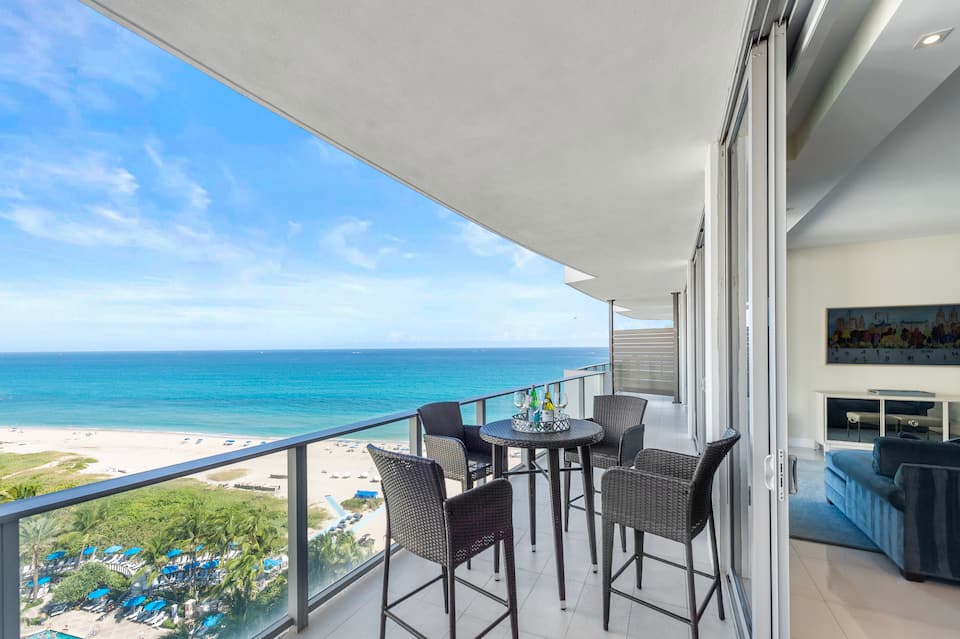
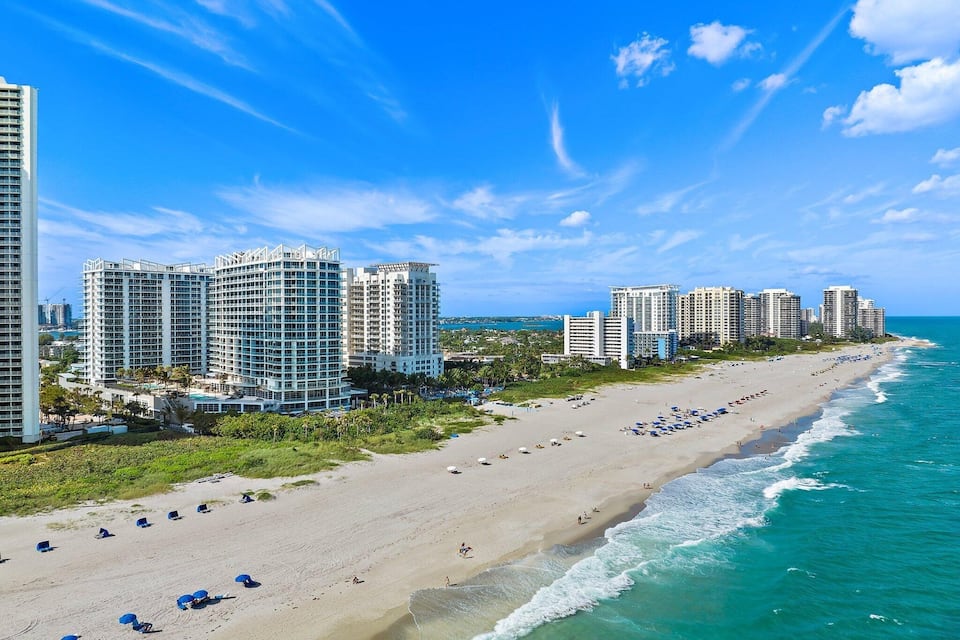
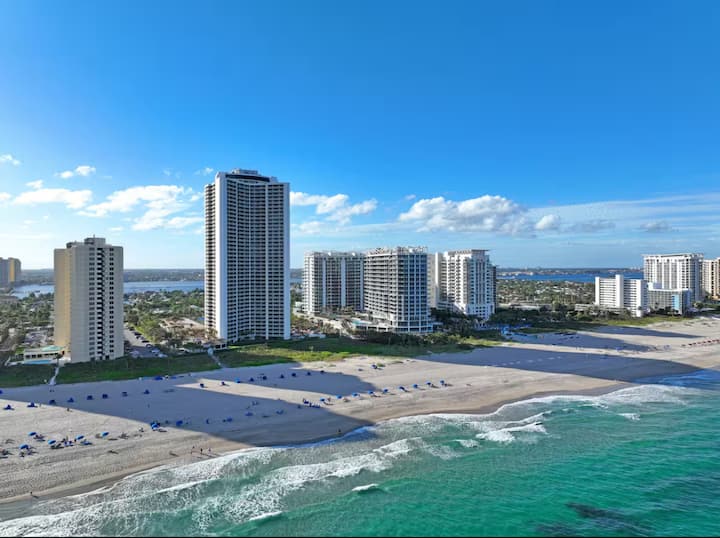
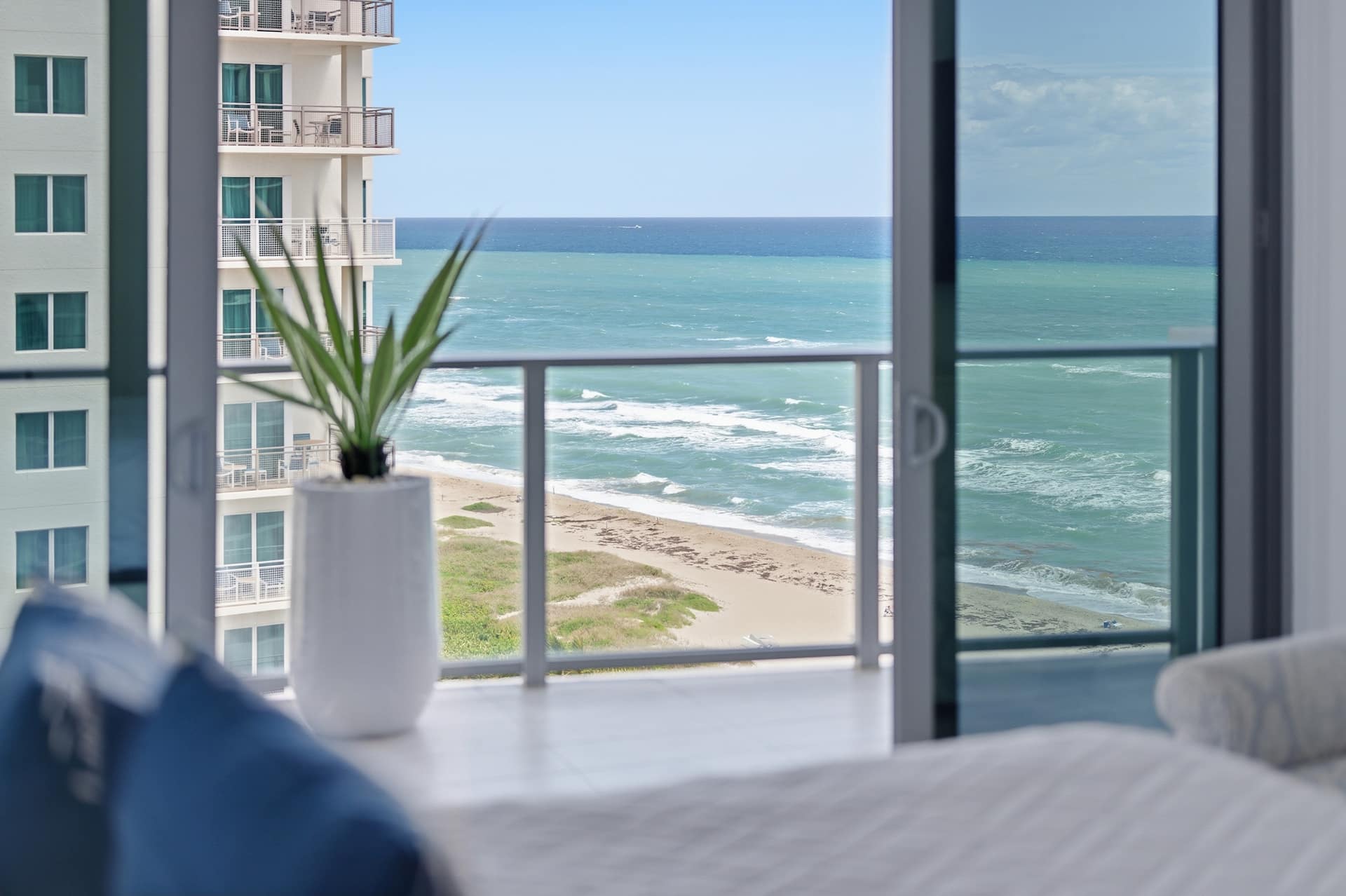
OASENA is a private two-bedroom home on the twelfth floor of the Happiness Tower — floor-to-ceiling ocean views, a sweeping balcony, and every guide in this collection within a short drive or a shorter walk.
OASENA is a privately owned residence within Amrit Ocean Resort & Residences and is not operated by, affiliated with, or endorsed by the resort. See credits & notes. Details in this guide are for general orientation and can change; confirm hours, prices and conditions locally before you set out.