When to Visit Singer Island: Weather, Seasons and What to Pack
There is no wrong month on Singer Island, only trade-offs. Here is the year laid out clearly: the weather season by season, when the sea turtles nest, what hurricane season really means, what to pack, and the best window for whatever you came to do.
01The short version on timing
The short answer to when you should visit Singer Island is that there is no wrong month here, only trade-offs, and the whole purpose of this guide is to lay those trade-offs out clearly so you can choose the version of the island that fits you. The place changes character across the year the way a good coastline should. Winter is dry, mild and social, with the beaches busy and the calendar full. Summer is hot, green and quiet under the water, with warm seas and a storm most afternoons that clears as fast as it arrives. The spring and fall shoulders sit in between, and for a lot of travelers they are the sweet spot.
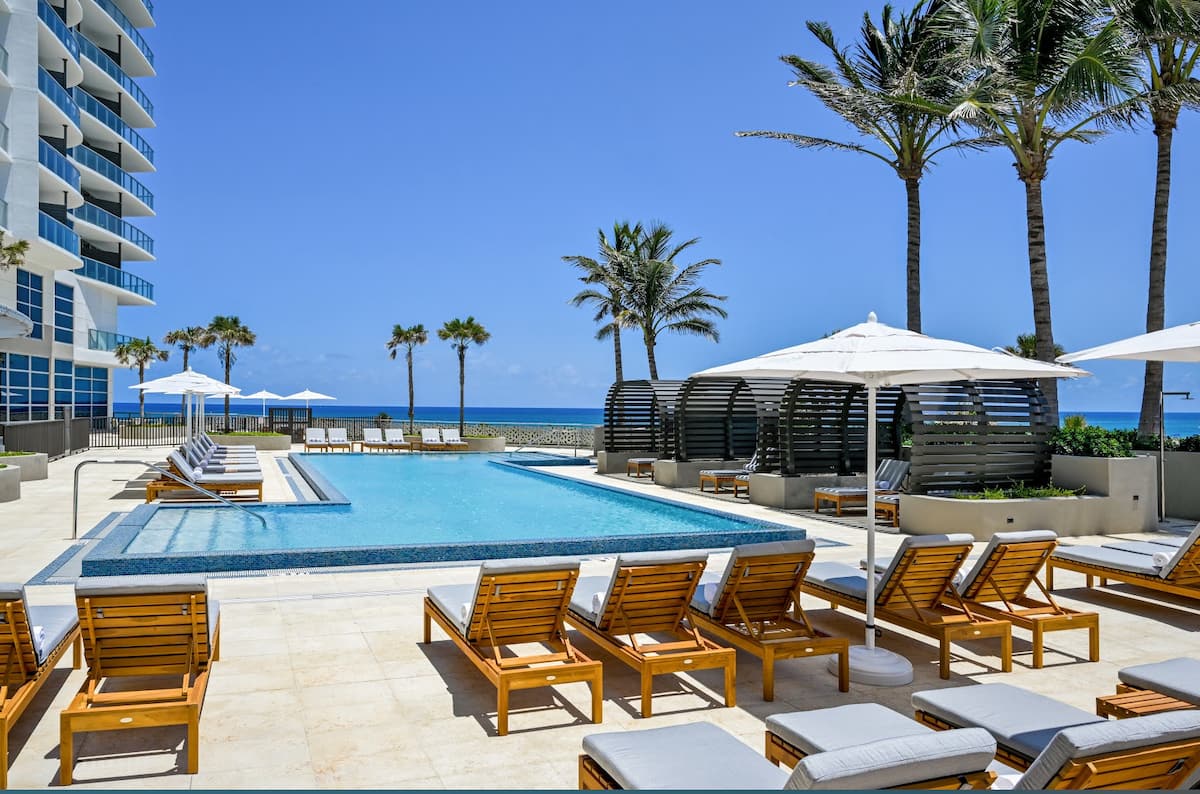
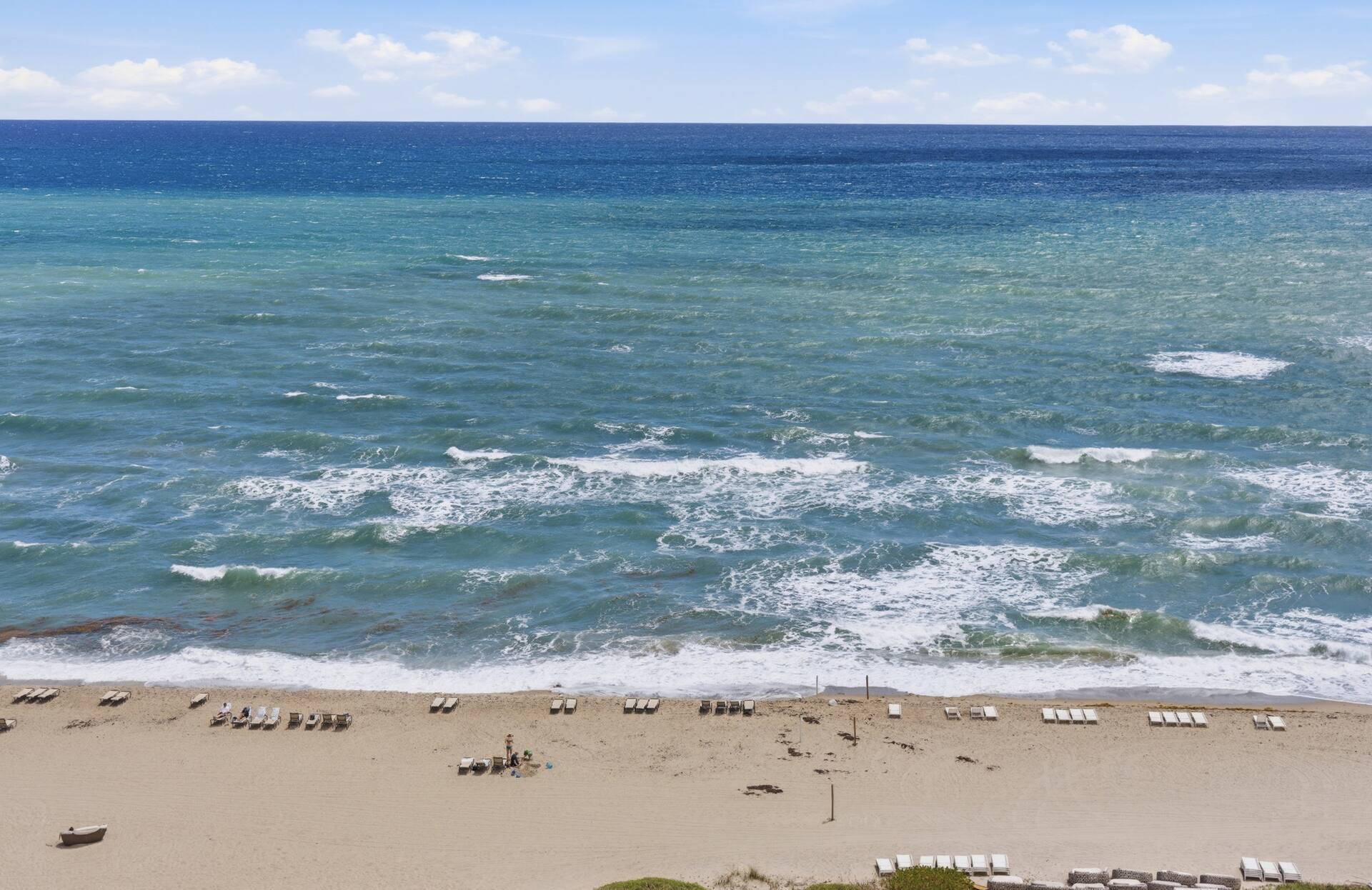
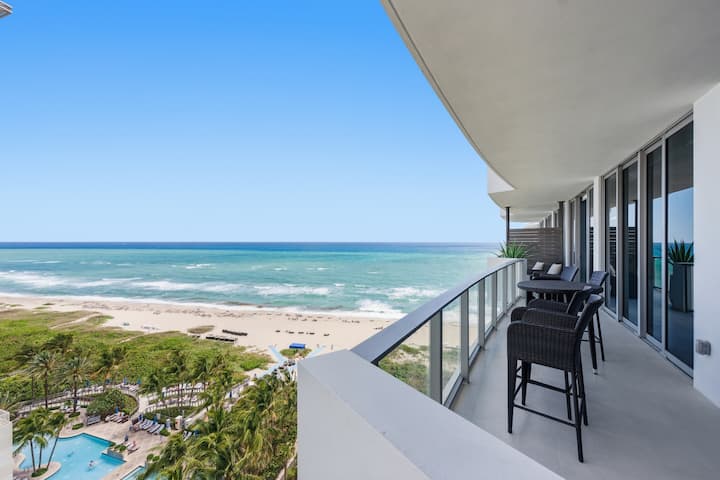
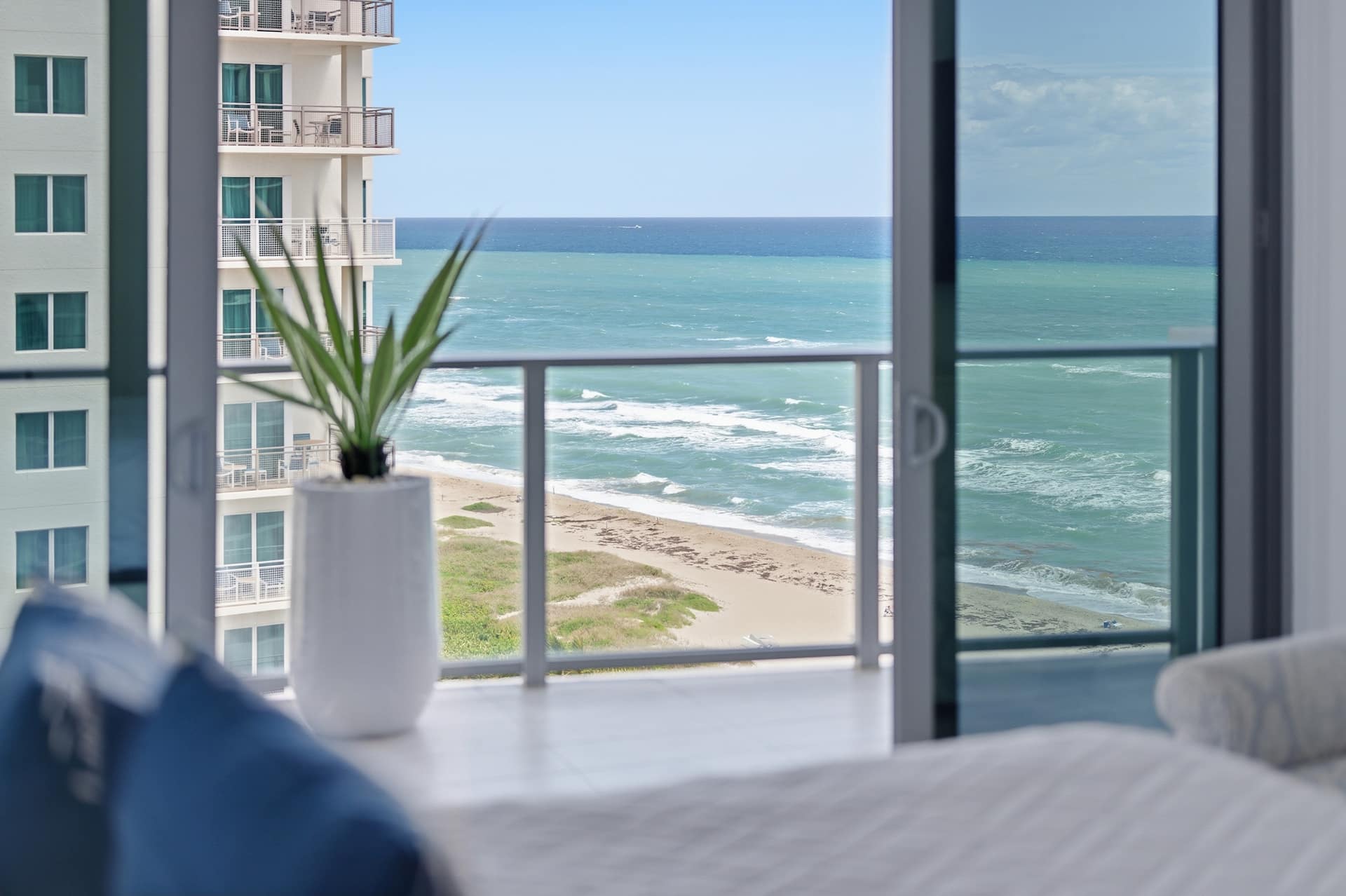
From the twelfth floor of the Happiness Tower, you notice the seasons less as dates and more as light and water. In January the Atlantic is a hard, bright blue and the balcony wants a sweater at dawn. In July the same water is bathtub-warm at sunrise and the horizon stacks up thunderheads by three in the afternoon. Neither is better. They are simply different holidays that happen to share an address.
Here is the shape of the year in a sentence each, before the rest of the guide takes each one apart:
- November through April is high season. Mild, dry days in the low 70s to low 80s, cool nights, and the busiest, most social stretch of the year. Demand and nightly rates run higher, and the popular restaurants and tee times want a reservation.
- June through August is summer. Hot and humid, highs around 90, warm ocean, and near-daily afternoon storms. Fewer crowds, longer days, and the underwater visibility divers wait all year for.
- April to May and September to October are the shoulders. Warm water, thinner crowds, and softer demand. September is the single quietest month on the island.
Woven through all of that are two seasonal facts every visitor should know about, because they shape what you can do and how you should behave on the sand: sea-turtle nesting runs from March into October, and the official Atlantic hurricane season runs from the first of June through the end of November. Both sound more dramatic than they usually are in practice, and both get their own honest section below.
A few things stay true no matter when you come. The private beach downstairs, the pools and the water are here in every season. The wellness center below the residence keeps the same hours in a heat wave as it does in a cold snap. And the ocean, which is the whole reason to be on a barrier island, is swimmable far more of the year than most first-time visitors expect. If you are already thinking about how you will spend your days, the beaches guide, the golf guide and the day trips guide pair naturally with the timing advice here.
Read on for the month-by-month detail. But if you want the one-line version: come in winter for the classic dry, mild, sociable Florida everyone pictures; come in the shoulders for the best balance of good weather, elbow room and value; and come in summer if warm water, long days and quiet mornings matter more to you than dodging an afternoon storm.
02High season, November through April
High season runs from November through April, and it is the Florida the rest of the country pictures in the middle of a gray winter. Days are mild and dry, generally in the low 70s to low 80s, with low humidity and a clean, steady ocean breeze. Nights cool off pleasantly, sometimes into the 60s or upper 50s in December and January, which is sweater weather on the balcony at dawn and perfect sleeping weather with the doors cracked. Rain is infrequent and usually brief. It is, by most measures, the most comfortable stretch of the year to simply be outside.
What the weather is doing
This is the dry season. The humid, stormy pattern of summer breaks in October, and from late fall through spring the region settles into long runs of sunshine broken only by the occasional cold front sweeping down from the north. A front might bring a windy, cooler day or two and a passing shower, then hand the sky back to blue. The Atlantic itself cools through the winter, drifting into the low 70s and sometimes the upper 60s in January and February. Plenty of people still swim; others find it brisk and save the long swims for the heated pools downstairs. By March the water is warming again and the beach days lengthen.
Why it is called the social season
High season is also the busy season, and the two are the same thing for a reason. This is when the seasonal residents, the snowbirds, are in town, when the Palm Beaches' calendar of galas, gallery openings and outdoor concerts is at full tilt, and when the restaurants across the bridge are at their liveliest. Stone crab season, a genuine local marker, runs roughly from the middle of October to early May, so winter is exactly when the fish houses are cracking claws. The energy is wonderful if you want it. It also means you should plan a little further ahead than you would in the quiet months.
- Book ahead. Popular restaurants, sunset tables and weekend reservations fill early. So do winter tee times at the better courses; see the golf guide for where and when.
- Expect higher demand. This is the peak stretch for the whole coast, and nightly rates across Singer Island generally run higher in winter than at any other time of year.
- Give yourself margin on the roads. Traffic across the bridges and along the coast is heavier than in the off-season, especially around the winter holidays.
High season suits travelers who want the mildest, driest weather of the year and don't mind sharing the island to get it: anyone escaping a northern winter, anyone who wants the region at its most social, and golfers and diners who are happy to reserve in advance. If your ideal trip is warm-but-not-hot days, cool nights, blue skies and a full calendar, this is your window. Pack a light layer for the evenings and something a step nicer for dinner in Palm Beach, and you will be well set. If you would trade a few degrees and a livelier scene for lower demand and an emptier beach, read on to the shoulder and summer sections before you settle on your dates.
03Summer, June through August
Summer runs from June through August, and it is the island at its most tropical. Daytime highs settle around 90 degrees, the humidity is real, and the heat index can push the feels-like temperature higher in the middle of the day. The ocean, though, is the payoff: by midsummer the Atlantic is warm enough that stepping in feels like bathwater, and it stays that way from morning to night. Days are long, the light lingers past eight in the evening, and the beaches and restaurants are noticeably quieter than in winter.
The daily rhythm of a summer day
Summer here has a dependable shape once you learn to read it. Mornings are often bright, calm and gorgeous, the best window of the day for the beach, a paddle, or a dive. As the land heats up, the sea breeze collides with the humidity and stacks the sky with tall clouds, and by early-to-mid afternoon a thunderstorm rolls through. These storms are usually short and heavy, with lightning and a downpour, and then they clear and the evening turns soft and golden. The trick is to front-load your outdoor plans and treat the afternoon storm as your cue to move indoors, to a long lunch, or down to the wellness center for a while.
- Respect the lightning. Florida is the lightning capital of the country. When you hear thunder, get off the sand and out of the water and wait it out inside. The rule is simple: when thunder roars, go indoors.
- Go early. The calmest seas, the clearest light and the emptiest beach are all in the morning. Plan your ocean time before noon.
- Hydrate and shade up. The summer sun is intense. Water, a hat and reef-safe sunscreen are not optional, and midday shade is your friend.
What summer does best
For all the heat, summer has real advantages that regulars quietly love. The water is warm and often calm and clear, which is exactly what snorkelers and divers want; the underwater visibility in the warmer months is frequently the best of the year, and the famous shore diving at Blue Heron Bridge is still governed by the tides more than the calendar, so a summer high slack tide can be superb. The beaches are uncrowded on weekday mornings. Demand across the island is softer than in winter, so this is a value season. And summer is the heart of sea-turtle nesting, which means the guided night walks and the sense of a wild coast at work are at their peak.
There is also a social ease to summer that the busy months can't offer. You rarely need a reservation to get a good table, the beach service downstairs is never stretched thin, and the long golden evenings are made for a late, unhurried dinner on the water after the afternoon rain has moved through. The pace is slower, and for many families and couples that is the whole appeal. If you would rather have the island feel like a quiet neighborhood than a busy resort, this is when it does.
Summer suits travelers who prize warm water, long days and quiet mornings over dry, mild afternoons, and who are relaxed about weaving around a predictable storm. Families on school break, divers and snorkelers, and anyone who likes an empty beach at eight in the morning tend to be very happy here. Just come with a plan that puts the ocean early and something cool and indoors in the middle of the day, and keep half an eye on the tropical forecast, which the hurricane-season section below covers honestly.
04The shoulder seasons, spring and fall
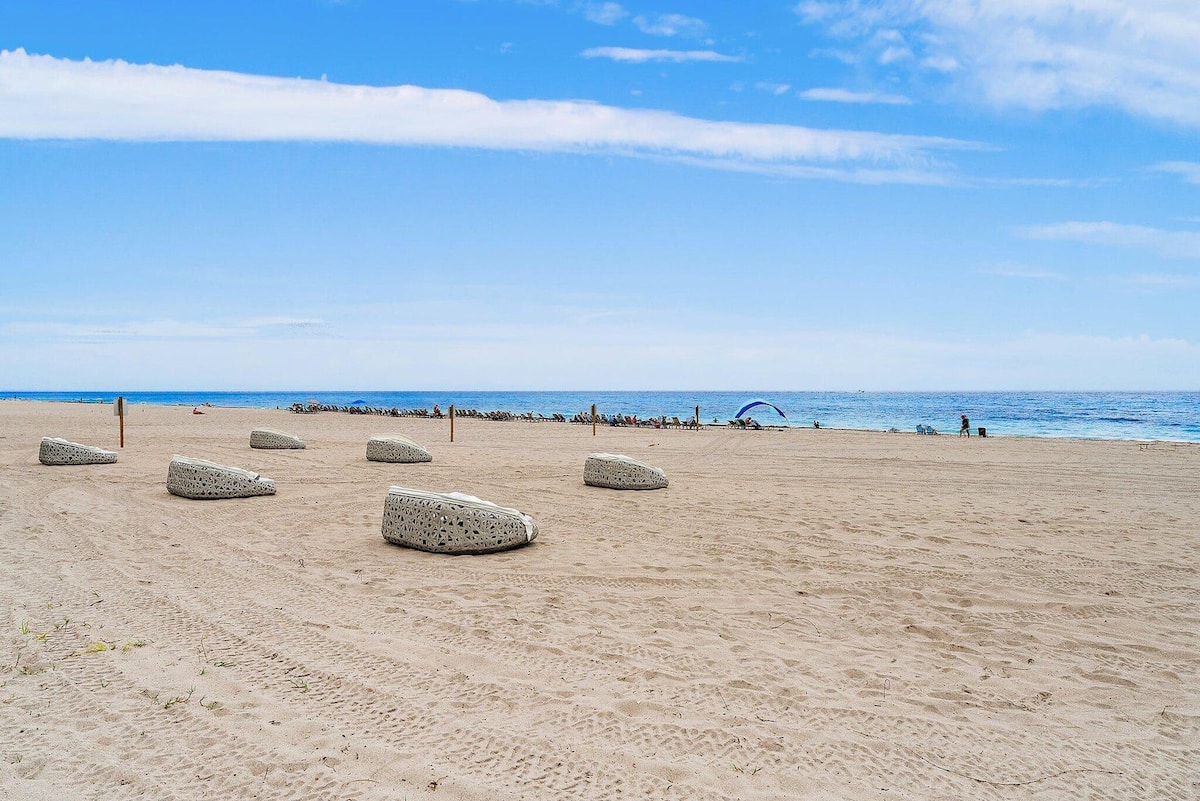
Between the busy winter and the hot summer sit the shoulder seasons, roughly April into May, and September into October, and for a lot of experienced visitors these are the best weeks of the year to come. You get much of winter's blue-sky comfort, or summer's warm water, without either the crowds of the high season or the deepest heat, and with demand across the island noticeably softer than in the winter peak.
Spring: April and May
Spring is a lovely, under-appreciated time here. The dry season is winding down, so the humidity has not yet built to its summer thickness, and the days are warm and reliably sunny without being oppressive. The ocean has warmed back up from its winter low and is comfortable for long swims again by April. The winter crowds have thinned as the seasonal residents head north, but the restaurants and shops are all still fully open and lively. Sea-turtle nesting is underway by March, so a spring visit puts you at the start of that season. If you want winter's weather with fewer people around you, late April and May are hard to beat.
Fall: September and October
The fall shoulder is quieter still. September is the single quietest month on Singer Island, which is its great appeal and, in fairness, partly a function of the calendar: it is the statistical heart of hurricane season and the tail of the hottest, most humid weather. The upside is genuine, though. The water is at its warmest, the beaches are close to empty, demand and rates are at their lowest of the year, and the pace everywhere slows down. By October the humidity begins to ease, the first cool fronts start to arrive late in the month, and the island starts its long exhale toward another winter. Turtle nesting winds down through October as the last hatchlings make their way to the sea.
One fair warning about the fall shoulder: it is the one stretch where you should book with a little flexibility and watch the tropics, since September and early October are the busiest weeks for storms. That is the trade you make for the year's lowest demand and its warmest, emptiest water. For a lot of return visitors, it is a trade well worth making.
Why the shoulders win for many travelers
- Fewer crowds. The beach, the roads and the good restaurants all breathe easier than they do in high season.
- Softer demand. Nightly rates across the island generally run below the winter peak, and reservations are easier to get on short notice.
- Warm water. The ocean is comfortable for swimming and snorkeling in every shoulder month.
- Still fully open. Unlike some seasonal resort towns, the Palm Beaches don't shut down in the off-season; the culture, dining and day trips are all available year-round.
The shoulders suit travelers who want the best overall balance, good weather, warm water, room to breathe and better value, and who are comfortable keeping half an eye on the tropical forecast in the fall. If you are flexible on timing and want the island at its most relaxed, aim for May or, if you don't mind the small storm-season gamble, September and October.
The weather sets the mood of your trip, but it never changes what the island is: the Atlantic is out the window in every season.
On when to visit Singer Island
05A month-by-month walk through the year
Seasons are a useful shorthand, but the year has finer grain than that. Here is the island month by month, so you can match your trip to whatever you care about most: mild air, warm water, an empty beach, nesting turtles, or the best odds of a dry vacation.
- January. The coolest, driest heart of winter. Days in the low 70s, crisp nights, brilliant blue water that runs cool for swimming. Peak social season and peak demand. Bring a light layer for the evenings.
- February. Much like January, mild and dry, with the coast at its busiest. Cool ocean, warm sun, and the fish houses still cracking stone crab. A classic winter-escape month.
- March. The pivot toward spring. Warmer, still comfortable, with the ocean beginning to warm and sea-turtle nesting season officially opening. Spring-break energy comes and goes.
- April. One of the finest months of the year: warm, sunny, low humidity, warming water, and the winter crowds starting to thin. An excellent all-around time to visit.
- May. Warm and increasingly green, with summer's humidity only beginning to build. Quiet beaches, warm ocean, and the start of the guided sea-turtle walks. A shoulder-season sweet spot.
- June. Summer arrives: hot, humid, and the official start of hurricane season on the first of the month. Warm water, long days, afternoon storms, and turtle nesting in full swing.
- July. The heart of summer. Highs around 90, bathwater ocean, near-daily afternoon thunderstorms, and gloriously long evenings. Quiet mornings on the sand.
- August. Hot and humid like July, with the warmest water of the year and the same afternoon-storm rhythm. The heart of the low season for crowds and demand.
- September. The quietest month on the island. Warmest water, emptiest beaches, lowest demand, and the statistical peak of hurricane season, so watch the forecast.
- October. The turn back toward comfort. Humidity eases through the month, the first cool fronts arrive late, and stone crab season opens in the middle of the month. Turtle nesting winds down.
- November. The dry season returns and high season begins. Mild, pleasant days, warm-enough water, and the calendar filling back up as the seasonal residents return.
- December. Mild, dry and festive. Cooler nights, comfortable days, cool ocean, and the holidays bringing the year's busiest, most social stretch. Book early.
A couple of patterns fall out of that list. The most comfortable air is November through April; the warmest water is June through October; the fewest people are in September, closely followed by the rest of the summer and the fall shoulder; and the two things to keep on your radar, turtle nesting and storm season, overlap across the warm half of the year. If you want a single month that threads the needle between good weather, warm water, thin crowds and low storm risk, May and late October into November are the strongest candidates.
It is also worth saying that the month-to-month lines are soft, not hard. A cold front can drop a January morning into the 50s or hand you a run of flawless 80-degree days; an October can stay muggy or turn crisp early. Florida weather does not read the calendar too strictly. Use the months above to set your expectations and pack your bag, but hold them loosely, and remember that the indoor constants of the residence and the wellness center below never change with the season, so a rainy hour or a cool evening is never a lost day.
06Sea-turtle nesting season
From March through October, the beaches of Singer Island become a nesting ground for sea turtles, and it is one of the quietly extraordinary things about spending time on this stretch of coast. Palm Beach County sits along one of the most important sea-turtle nesting shorelines in the country. Three species nest here, loggerheads, greens and the enormous leatherbacks, and across a single season this coast records many thousands of nests. If you come in the warm half of the year, you are sharing the sand with them, whether you see them or not.
What happens on the beach
The rhythm is ancient and simple. On summer nights, female turtles haul themselves out of the surf, climb the beach, dig a nest above the tide line, lay a clutch of eggs, cover it and return to the sea before dawn. Weeks later, usually at night, the hatchlings boil up out of the sand and scramble toward the brightest, lowest horizon, which, for millions of years, has been the faint glow of the ocean under the open sky. That single instinct is why light matters so much here. Guided night walks to see nesting loggerheads are offered in the area, generally from around May through July, led by trained naturalists under state permits; they are a memorable, low-impact way to witness it without disturbing the animals.
How to be a good neighbor to the turtles
You do not need to do anything elaborate to help; you mostly need to not do a few things. The whole community, the resorts included, follows the same simple etiquette through nesting season, and guests are asked to as well.
- Keep the beach dark at night. Artificial light disorients nesting females and sends hatchlings crawling the wrong way, inland, where they don't survive. After dark, draw the balcony curtains if your lights are on, and skip flashlights and phone lights on the sand.
- Never approach or shine light on a nesting turtle or hatchlings. If you are lucky enough to come across one, keep your distance, stay quiet, and let it do its work. A flash photo can be enough to turn a female back to the sea before she nests.
- Leave the nests alone. Marked nests are cordoned off with stakes and tape. Give them a wide berth and keep children and dogs away.
- Flatten your footprints. Before you leave the beach, fill in any holes you dug and knock down sandcastles. A hatchling can get trapped in a hole on its short crawl to the water.
- Take your gear with you. Chairs, umbrellas and toys left on the sand overnight are obstacles for a nesting turtle. The private beach service downstairs clears its own setups; your job is just to carry off what you brought.
If turtles are the reason you are choosing your dates, come between May and July for the best odds of an active nesting beach and the guided walks, and consider a day trip north to the Loggerhead Marinelife Center in Juno Beach, a free sea-turtle hospital and research center where you can meet recovering patients and learn how the whole cycle works. It pairs well with the other outings in the day trips guide.
07Hurricane season
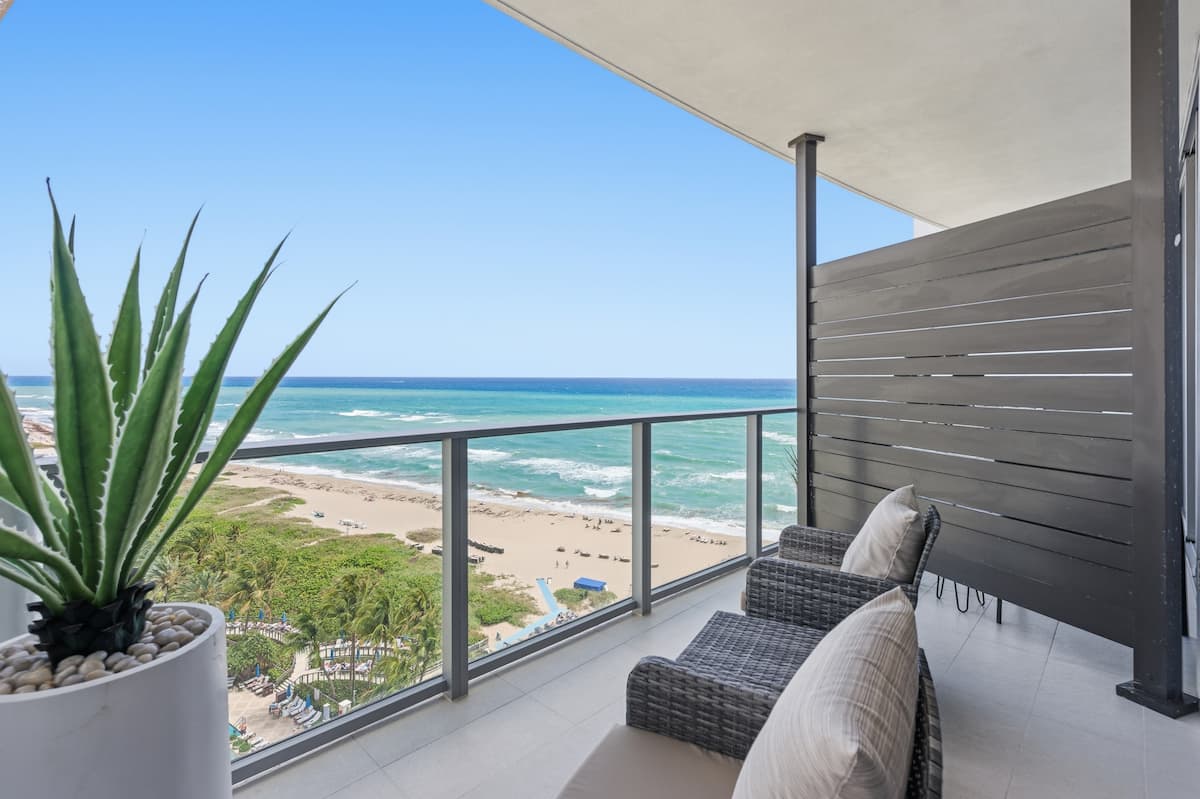
The Atlantic hurricane season officially runs from June 1 through November 30, and it deserves a calm, honest explanation rather than either alarm or hand-waving. Yes, this is Florida, and yes, the state gets hurricanes. And also: a direct hit on any one stretch of coast in any given week is rare, the vast majority of summer and fall trips see nothing worse than a rainy afternoon, and modern forecasting gives days of warning when something is brewing. The season is a reason to plan a little, not a reason to write off half the year.
What the season really means for a trip
Most of the season is simply the warm, stormy weather described in the summer and shoulder sections, hot days and short afternoon thunderstorms that have nothing to do with tropical systems. Actual named storms are more likely in the back half of the season, with activity peaking from around August through October and September the statistical high point. Even then, most systems stay out at sea or track well away, and the ones that do approach are followed by the National Hurricane Center for many days in advance. You are very unlikely to be surprised. If a system is ever pointed this way during your stay, you will know about it long before it matters, with plenty of time to make sensible decisions.
A sensible way to plan around it
- Consider travel insurance for summer and fall trips. A policy that covers trip interruption and weather cancellations is inexpensive peace of mind if you are booking in the June-to-November window. Read what it covers before you buy.
- Watch the forecast in the days before you fly. During the season, keep a casual eye on the National Hurricane Center's outlook in the week ahead of your trip. If nothing is out there, enjoy your vacation and forget about it.
- Keep your plans flexible where you can. Refundable bookings and a little slack in your schedule take the stress out of the rare occasion when weather interferes.
- Know that the building is built for it. Modern Florida oceanfront towers are engineered to strict hurricane codes, with impact glass and serious structural standards. In the uncommon event of a watch or warning, follow the resort's guidance.
None of this should scare you off a summer or early-fall visit. Plenty of people come every single year in the heart of the season and never see anything more dramatic than a spectacular thunderhead over the ocean at sunset. The realistic risk is not a catastrophe; it is the small chance of a washed-out day or, more rarely, a change of plans. If you would rather not think about it at all, the dry winter and spring months are your season, and that is a perfectly good reason to pick them. If the warm water and low crowds of late summer appeal more, come, just come informed, insured and flexible.
One practical note for anyone weighing the odds: the early part of the season, June and July, is historically the least active, and the risk climbs into the September peak before tapering through November. So if you want warm summer water with the lowest storm odds of the season, aim for early summer rather than the fall. It is a small edge, but it is a real one, and it costs you nothing but a slightly earlier booking.
08What to pack, by season
Packing for Singer Island is mostly a matter of matching your bag to the season, because the difference between a mild, dry January and a hot, humid August is real. A few things belong in every suitcase no matter when you come; after that, let the calendar guide you.
Pack these in every season
- Reef-safe sunscreen, a hat and sunglasses. The Florida sun is strong all year, and reef-friendly formulas are the right call near the reefs and turtle beaches.
- Swimwear and a cover-up, plus flip-flops or sandals. The beach and pools are open year-round.
- Light, breathable clothes for warm days, and something a step nicer for dinner across the bridge, since Palm Beach leans a little more polished than the island.
- Any snorkel gear you love. Rentals are easy to come by, but bringing your own mask means you are ready for a good tide at a moment's notice.
- A refillable water bottle. You will drink more than you expect, especially in summer.
If you come in winter, November through April
Days are mild and nights can be cool, especially December through February. Bring layers: a light sweater or jacket for the evenings, long pants for cooler nights, and a windbreaker for the occasional breezy day behind a cold front. You will still want all your beach gear, because the daytime is warm, but you will be glad of a layer at sunset on the balcony. If you plan to swim in the ocean rather than the heated pools, know that the water runs cool in midwinter; some people bring a rash guard or a thin wetsuit top for longer swims.
If you come in summer or the warm shoulders, May through October
Think hot and humid, with a daily chance of rain. Pack the lightest clothes you own, since quick-drying fabrics are your friend, plus:
- A compact rain layer. A packable poncho or light rain jacket for the afternoon storm. An umbrella helps for the walk to dinner, less so on a breezy beach.
- Extra sun protection. A rash guard for long ocean or snorkel sessions saves your shoulders, and reef-safe sunscreen matters even more in the strong summer sun.
- Bug spray. Mosquitoes and no-see-ums come out around dawn and dusk in the warm months, especially near the mangroves and on still evenings.
- Water shoes, if you plan to explore rocky snorkel spots like the reef at Ocean Reef Park or the boulders at Blue Heron Bridge.
Whatever the season
You will not need much in the way of gear you don't already own. The residence kitchen is a full suite if you would rather cook than pack snacks, the private beach service downstairs supplies chairs and umbrellas so you can leave the bulky stuff at home, and anything you forget is a short drive from a Publix, a Whole Foods or a pharmacy. Travel light, lean toward casual, and add a layer for winter nights or a rain shell for summer afternoons depending on when you land. The one thing worth not forgetting, in any season, is whatever lets you get in the water comfortably, because that is what you came for.
09The best time for each interest
If you are planning your trip around one particular thing, the best diving, the emptiest beach, the coolest weather for golf, the calendar rewards a little strategy. Here is the best window for each of the things people come here to do.
For diving and snorkeling
Warm, calm water and good visibility favor the late spring through early fall, when the ocean is at its clearest and most comfortable. That said, the signature shore dive at Blue Heron Bridge is governed by the tides far more than the season: you dive on the high slack tide, in the half hour or so on either side of high water, year-round. Pick your month for warm water and your day for the tide, and read the beaches guide for where to get in.
For golf
You can play year-round, but the two ends of the calendar play very differently. Winter offers the most comfortable conditions, mild, dry, low humidity, which is exactly why it is peak season and why the good tee times book up; reserve well ahead. Summer is hot and humid, so play early and hydrate, but you will find far more availability and softer demand. The shoulders split the difference nicely. The golf guide has the courses and the booking advice.
For quiet and solitude
September is the quietest month on the island, followed by the rest of the summer and the fall shoulder. If your ideal is an empty morning beach and a table anywhere you like without a reservation, come between late August and early October and accept the heat and the small storm-season gamble as the price of having the place nearly to yourself.
For beach days and ocean swimming
The water is warmest and most inviting from June through October, and comfortable for most swimmers from April through November. If a long, warm swim is central to your trip, the summer and the shoulders are your seasons. Midwinter beach days are gorgeous for lying in the sun, but the ocean itself runs cool.
For the mildest, driest weather
November through April is the most comfortable air of the year: warm days, cool nights, low humidity and little rain. If simply being outside in fine weather is the point, long walks, open-air dinners, sightseeing without breaking a sweat, then winter and early spring are unbeatable, which is precisely why they cost more and draw the crowds.
For value and fewer crowds
The late-summer and fall stretch, roughly August through early November, brings the softest demand of the year and the most room to breathe, in exchange for heat and a watchful eye on the tropics. The spring shoulder, April and May, gives you much of that value with lower storm risk and beautiful weather, arguably the best all-around compromise.
For turtles, fishing and food
Sea-turtle nesting peaks in late spring and summer, with guided walks generally from May through July. Fishing runs all year with the target species shifting by season, and a local charter will steer you to what is biting. And if fresh stone crab is a priority, that season runs from the middle of October to early May, squarely the cooler half of the year.
10The trade-offs, side by side
Every season here is a bargain of one kind or another: you trade a degree of weather for a degree of solitude, or a little value for a little certainty. There is no season that wins on every measure at once, and anyone who tells you otherwise is selling something. So here is the whole year laid out side by side, honestly, so you can decide which trade you would rather make.
| Season | Weather | Crowds | Demand and value | Best for |
|---|---|---|---|---|
| Winter, Nov to Apr | Mild, dry, cool nights; cooler ocean | Busiest; the social season | Highest demand and rates | Fine weather, lively scene, golf, stone crab |
| Spring, Apr to May | Warm, sunny, humidity building; warming water | Thinning out | Softening from the winter peak | The best all-around balance |
| Summer, Jun to Aug | Hot, humid; warm ocean; afternoon storms | Quiet, especially weekdays | Low demand, better value | Warm water, diving, long days, turtles |
| Fall, Sep to Oct | Warm, humidity easing in Oct; warmest water | Quietest of the year in Sep | Lowest demand and rates | Solitude and value, if you watch the tropics |
Notice that no column stays green all the way down. The season with the best weather has the biggest crowds and the highest demand. The season with the warmest water and the lowest demand carries the heat and the small storm-season risk. The two shoulders are where the columns come closest to agreeing, which is exactly why experienced visitors gravitate to them. Reading a chart like this is less about finding a perfect answer than about deciding, honestly, which one compromise you are most comfortable living with for a week.
How to read the table
A few plain conclusions fall out of it. If dry, mild weather and a full social calendar are what you are after, and you don't mind the crowds or the higher demand, winter is your season. If you want the single best compromise, good weather, warm water, thinner crowds and gentler demand, aim for the spring shoulder in April or May. And if value and an empty beach matter most and you are willing to trade for heat and a little storm-season vigilance, the late summer and fall are quietly wonderful.
- Optimizing for weather? Come November through April.
- Optimizing for warm water? Come June through October.
- Optimizing for solitude and value? Come in September, or the surrounding summer and fall weeks.
- Want the best balance of all three? Come in May, or late October into early November.
And if none of those single priorities decides it for you, let your travel companions and your reasons for coming settle it. A family chasing warm water on a school break should lean into summer and simply plan around the afternoon storms. A couple after a quiet, romantic week should look hard at May or September. Golfers and gala-goers belong in the winter high season. A diver should pick the tide first and the month second. The island rewards almost any choice; it just rewards different choices with different trips.
Whichever trade you make, the constants hold. The Atlantic is out the window, the private beach and pools are downstairs, and the wellness center is an elevator ride below in every season. The weather sets the mood of your trip, but it does not change what the island is. Pick the version that suits you, and the rest of these guides, the beaches, the golf and the day trips, will help you fill whichever season you choose.
Common questions
What is the best time of year to visit Singer Island?
It depends on what you want. For the mildest, driest weather and the liveliest social season, come <strong>November through April</strong>, and expect higher demand. For the best all-around balance of good weather, warm water, thinner crowds and better value, aim for the spring shoulder in <strong>April or May</strong>. For the warmest water, longest days and quietest beaches, come in summer, accepting the heat and a daily chance of an afternoon storm.
Is it safe to visit during hurricane season?
Generally, yes. The official season runs June 1 through November 30, but a direct hit on any one stretch of coast in a given week is rare, and most summer and fall trips see nothing worse than a rainy afternoon. Any real system is tracked days ahead by the National Hurricane Center, so you will have plenty of warning. For trips in that window, it is worth buying <strong>travel insurance</strong> that covers weather interruptions and keeping an eye on the forecast in the week before you fly.
When can I see sea turtles?
Nesting season runs <strong>March through October</strong>, with loggerheads, greens and leatherbacks coming ashore at night to lay eggs. Guided night walks in the area are generally offered <strong>May through July</strong>. Whenever you visit in that stretch, keep the beach dark after sunset, skip flashlights on the sand, and never approach a nesting turtle. For a sure thing, day-trip north to the free Loggerhead Marinelife Center in Juno Beach.
Is the ocean warm enough to swim in winter?
It is cooler but still swimmable for many people. In January and February the Atlantic drifts into the low 70s and sometimes the upper 60s; plenty of guests swim, while others prefer the heated pools downstairs for the long soaks. The water is comfortably warm from roughly <strong>April through November</strong>, and at its warmest in late summer.
Your quiet address above the Atlantic
OASENA is a private two-bedroom home on the twelfth floor of the Happiness Tower — floor-to-ceiling ocean views, a sweeping balcony, and this entire wellness world an elevator ride below.
OASENA is a privately owned residence within Amrit Ocean Resort & Residences and is not operated by, affiliated with, or endorsed by the resort. See credits & notes.