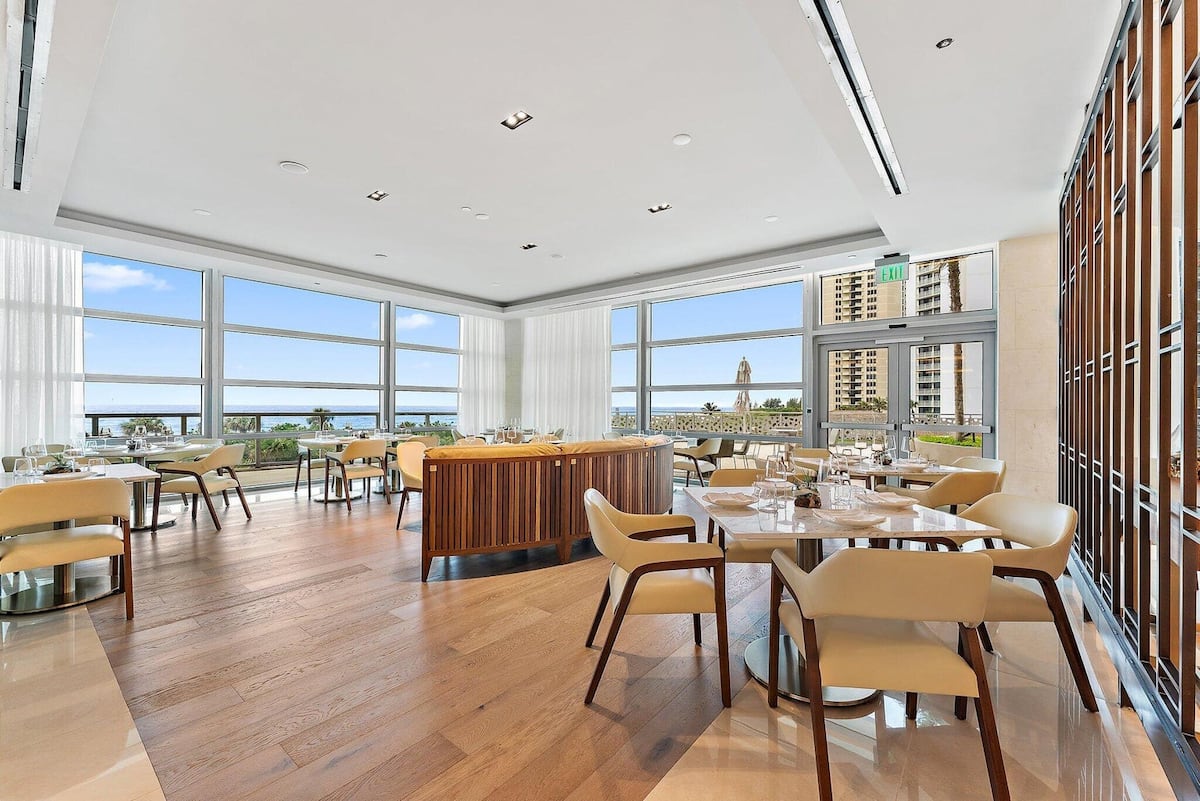
Dining in Palm Beach and West Palm Beach
The island keeps things barefoot and casual. The county's serious dining lives about twenty minutes south, across the bridge in Palm Beach and West Palm Beach. Here is how to eat well over there — the three districts, what they do best, and how to get there and back.
01Where the county goes out to dinner
Singer Island eats barefoot, and that is one of the nicest things about the place. The beach bars, the marina fish houses, the toes-in-the-sand lunch where nobody blinks at a wet swimsuit and a cover-up — for a lot of your week, that is exactly right. But some evenings you want more: a proper dining room, a wine list somebody thought about, a menu that reads like a chef had opinions and the room to prove it. For that, you cross the bridge.
The residence sits on the barrier island, between the Atlantic and the Intracoastal. Roughly twenty minutes south — on the mainland in downtown West Palm Beach, and on the island of Palm Beach itself — is where Palm Beach County keeps its serious dining. This is not a knock on Singer Island. It is geography and a hundred years of history. The old-money town of Palm Beach and the reborn downtown across the water have spent a long time building restaurants for people who dress for dinner, and the results are worth the short drive. Think of the island as your kitchen and your beach shack, and the Palm Beaches as your dining room for the nights you want one.
It helps to hold the two towns apart in your head, because they are different places with different manners. Palm Beach is the barrier island just south of you, quiet and manicured and moneyed, where lunch is an institution and the pace is deliberately unhurried. West Palm Beach is the mainland city across the Intracoastal, younger and louder, with a downtown that has spent the last twenty-five years turning itself into a genuine going-out district. You will likely spend more nights in West Palm and more lunches in Palm Beach, and once you feel that rhythm the whole area gets easy to navigate.
The three districts you'll use most
- Worth Avenue, Palm Beach. The refined end. Institutions, courtyard lunches, and a dress code that leans a touch dressier than anything you'll wear on the beach.
- Clematis Street, West Palm Beach. The walkable social spine downtown — bars, cafes, live music, and a street that stays awake well after dinner is cleared.
- Rosemary Square, West Palm Beach. The open-air, central district (you may still hear it called CityPlace) where dining, shops and a fountain plaza sit within an easy stroll of one another.
What follows is organized the way you plan a night out: first the practical business of getting there and parking, then a walk through each district, then the food itself — by cuisine and by the kind of evening you have in mind. One honest note up front. In the high season, from November through April, the good tables book up, especially on weekends and especially in Palm Beach, where the social season fills every decent dining room. Reserve ahead and you will never feel the crunch. If you would rather stay barefoot, that is a different guide entirely; see our island restaurants page for the casual tables a few minutes from the door.
One more thing to set expectations. Palm Beach County's dining stretches well beyond these three districts — there is good eating south in Delray Beach and Boca Raton, and north toward Jupiter — but those are day-trip distances rather than a quick run over the bridge. This guide sticks to what you can reach in roughly twenty minutes and be home from by a reasonable hour, because that is what you will do on most evenings. When you want to range further afield, the day-trips guide covers the drive; for a normal night out, Worth Avenue, Clematis and Rosemary Square are all the city you need.
02The twenty minutes across the bridge
The drive is short and, outside of season traffic, easy. You come off Singer Island onto the mainland, drop south along the water, and you are in downtown West Palm Beach in about twenty minutes. To reach the island of Palm Beach itself you cross one of the bridges over the Intracoastal — a minute or two more. None of it involves a toll road, so you can leave the SunPass questions for the guides about longer day trips north and south. It is one of the genuine luxuries of the location: a real city's worth of restaurants sits inside a short, tollfree drive of a beachfront residence.
How you make the trip depends on your evening. If you plan to have wine with dinner, do not drive. Rideshare is plentiful across the Palm Beaches and takes the parking problem off the table completely, which matters more than you might think in Palm Beach proper, where street parking is limited, time-restricted, and closely watched by the town. A car dropped at the door, and another summoned when you are done, is the civilized way to do a Palm Beach dinner.
Parking
- West Palm Beach. The downtown has public garages near both Rosemary Square and Clematis Street, plus metered street spots. The garages are the sane choice on a busy night — you park once and walk to dinner, drinks and a show without moving the car again.
- Palm Beach. Parking on and around Worth Avenue is tighter and time-limited, and the town writes tickets promptly. Many of the better restaurants and hotels offer valet, which is worth every bit of the convenience. If you are not valeting, read the signs carefully and set a timer.
- Weekends and season. From roughly November through April, downtown fills up on Friday and Saturday nights. Arrive a little early, or let a driver handle the drop and pickup entirely.
There is also the train. Brightline's West Palm Beach station sits right downtown, within walking distance of Rosemary Square and Clematis Street. It is built for day trips down the coast rather than for hopping over from the island — you would still need a car or rideshare to reach the station from Singer Island — but it is worth knowing that the station anchors that whole walkable district. If you are already downtown for dinner, you are standing in the middle of the most connected corner of the county.
When to leave. For a Palm Beach lunch, go before one o'clock or after two to slip past the rush. For dinner across the bridge, aim to be parked by seven; the districts hit their stride between seven and nine, and a reservation held is a reservation you want to keep. Give yourself a few extra minutes in season, when the bridges and the downtown streets carry more traffic than the twenty-minute estimate suggests. Plan the return before you go — a rideshare back means the wine question answers itself.
The drive itself is a small pleasure worth mentioning. You leave the island past the marinas and the inlet, cross the water with boats below you, and slip into a downtown that feels a world away from the beach you left twenty minutes earlier. On your first night, it is worth building in a few extra minutes to get your bearings — find the garage, walk the block, see where the restaurant sits — so the second and third trips feel like home ground. After a couple of nights, the whole run becomes automatic, and crossing the bridge for dinner stops feeling like an expedition and starts feeling like your own neighborhood.
03Worth Avenue: lunch among the vias
Worth Avenue is the four blocks that made Palm Beach famous — a low, Mediterranean-styled street of fashion houses, jewelers and courtyards that has been the town's front room for a century. The big names are all here, from Saks to Louis Vuitton to Gucci, but the part worth knowing about for a meal is quieter: the vias, the little courtyard alleys that branch off the avenue into hidden patios, fountains and tucked-away tables. Some of the loveliest lunches in the county happen down these passages, at a handful of tables most first-time visitors walk right past.
A Worth Avenue lunch is a particular pleasure and a particular pace. Think a shaded courtyard, a long midday table, a glass of something cold, and no one hurrying you back to anything. The avenue leans toward the classic end of things — polished service, a menu that knows exactly what it is, a room that has been doing this for decades and sees no reason to change. It is the deliberate antidote to a beach-shack lunch, and having both on the same trip is part of what makes a week here feel complete rather than one-note.
How to play it
- Come for lunch, not just dinner. Worth Avenue is at its best in daylight, when the shopping, the window-gazing and the courtyard tables all work together. Pair it with a morning of browsing and make a slow afternoon of it.
- Dress the part. Palm Beach runs a touch dressier than the island. Leave the wet swimsuit at the beach; a resort-casual look fits right in, and the town quietly appreciates the effort.
- Reserve on weekends and in season. The courtyard tables are limited and popular from November through April. A quick call ahead is the difference between a table and a wait.
- Walk the vias on foot. Park once, then explore the passages between the shops. The best small cafes and courtyard tables are the ones you find by wandering.
Because dining and shopping are so tangled together here, it is worth reading them side by side. The avenue's stores, the vias and the antiques nearby are covered in our shopping guide, and the two make an obvious pairing: a morning among the shops, a long courtyard lunch, and home across the bridge before the afternoon heat sets in. In the evening, Palm Beach dining shifts to the hotel dining rooms and the handful of established restaurants around town — more formal, more of an occasion, more likely to want a jacket — while the livelier late-night energy moves across the water to West Palm Beach. Know which mood you are in before you book, and the town gives you exactly what you came for. It is a place that rewards a little planning and gently punishes showing up cold on a Saturday in February.
Part of the appeal of a Worth Avenue lunch is the watching. The avenue draws a certain crowd — regulars who have lunched here for years, visitors dressed for the occasion, the slow parade of a town that takes its leisure seriously — and a courtyard table gives you a front-row seat to all of it. In the deep summer months the pace slows further and some of the town quiets down as the season crowd heads north, which can make a July or September lunch feel like you have the place half to yourself. That is its own kind of nice, and a good reason not to write off the shoulder months.
04How Palm Beach dresses for dinner
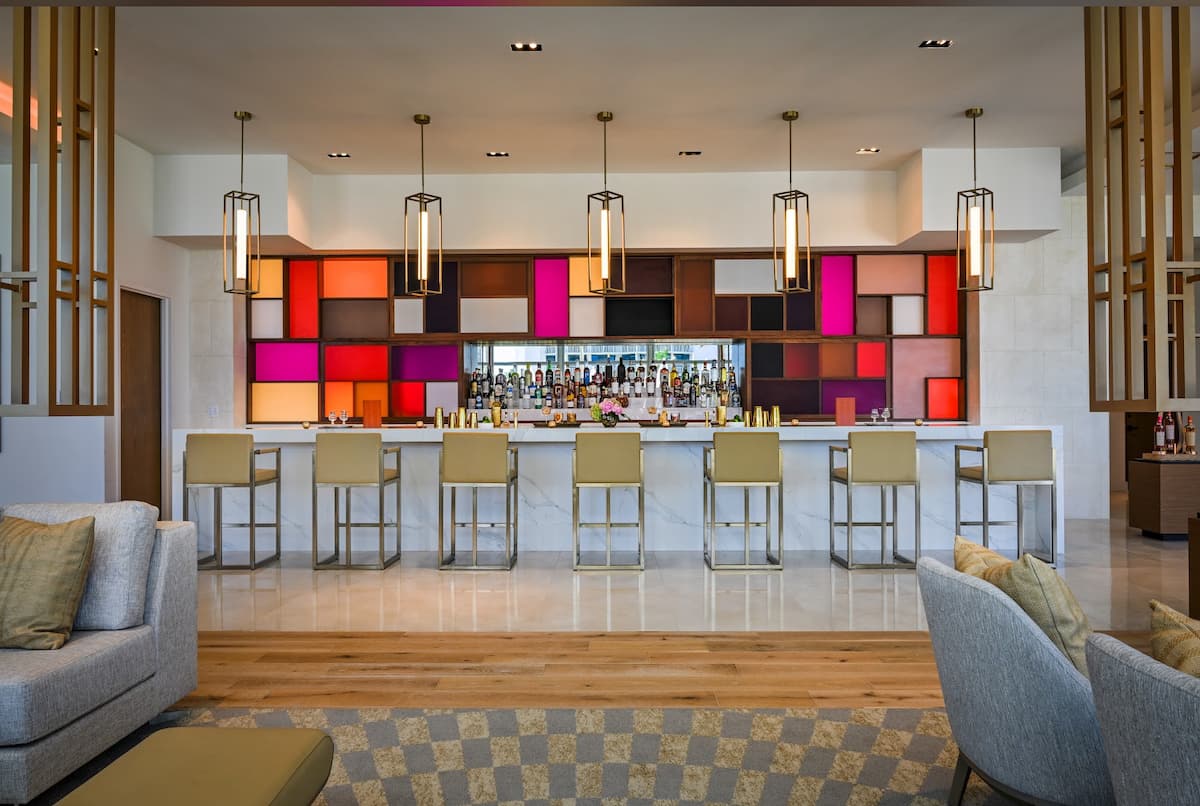
It is worth a whole section, because getting the dress right is the difference between feeling at ease and feeling out of place, and the answer changes as you cross the water. The island is barefoot. Palm Beach is not. West Palm Beach sits somewhere in between and leans relaxed. None of it is stuffy, exactly, but there is a code, and it is easy to get right once you know it — and easy to get wrong if you assume the whole county dresses like the beach.
The simplest way to think about it: Palm Beach dresses up a notch, West Palm Beach dresses for a good night out. On the island of Palm Beach, resort-elegant is the safe register — a collared shirt and nice trousers or a linen jacket for men, a sundress or something equally put-together for women. A few of the older, more formal rooms still appreciate a jacket in the evening; if a place feels like an institution, dress like it is one. Nobody is turning away a well-put-together guest over a missing tie, but showing up in beach clothes reads as not quite understanding the room, and the room notices.
What to pack for a night across the bridge
- One dressier outfit per person. Even on a beach trip, bring a set of clothes for a proper dinner. You will use it, and you will be glad you did.
- A light jacket or wrap. Dining rooms and courtyards run cool with the air conditioning and the evening breeze, whatever the season.
- Real shoes. Sand-friendly sandals are for the island. Bring something you would happily wear to dinner in any city.
- Skip the wet swimwear. Obvious, but worth saying: change out of the beach before you cross the bridge. A cover-up is not an evening outfit anywhere south of the inlet.
West Palm Beach is more forgiving. On Clematis Street and around Rosemary Square, smart-casual carries you through nearly everywhere — a nice shirt, clean sneakers or loafers, a dress that works for dinner and dancing both. The city is younger and the mood is looser, and you can happily under-dress here in a way Palm Beach would never allow. Two more small manners smooth an evening anywhere in the Palm Beaches: make a reservation in season and honor it, and if you are bringing children, mention it when you book so the room can seat you well and set expectations. There is no snobbery in any of this — the Palm Beaches are warm to visitors who make a little effort. Get the register right and you will be treated like a local who knows the score rather than a tourist who wandered in from the beach.
A seasonal note that trips people up: the dress code softens a little in the deep summer, when the town empties out and the mood turns more relaxed across both sides of the water. Even then, resort-casual is the floor in Palm Beach in the evening — think of it as the minimum, not a suggestion. The safe habit is to travel with one dinner outfit ready and decide on the night. You can always dress down for a beach shack; you cannot dress up from a swimsuit once you are already across the bridge and standing at the host stand.
Singer Island is where you eat in your swim trunks; twenty minutes south is where the county puts on a jacket. On a good week you want both.
On crossing the bridge for dinner
05Clematis Street: the social spine
If Worth Avenue is where Palm Beach has lunch, Clematis Street is where West Palm Beach goes out. It is the original main street of downtown, running from the western end down to the Intracoastal waterfront, and over the last couple of decades it has grown into the walkable social spine of the city — bars, cafes, restaurants and live music strung along a few blocks you can cover comfortably on foot. Park once and the whole evening is at your feet, which is exactly why locals treat it as the default for a night that has no fixed plan.
The character of Clematis is come-as-you-are and stay-a-while. You can start with a coffee and a pastry in the afternoon, drift into an early dinner, and finish with a drink somewhere a band is playing — all without moving your car. The street has a bit of everything: casual spots with sidewalk tables, a few more ambitious kitchens, cocktail bars, brunch cafes, and the kind of easy energy that makes a warm Florida night feel like it should go on a little longer than you planned. On weekends it fills with a mixed, good-natured crowd, and the whole street takes on a low hum you can hear from a block away.
Landmarks worth knowing
- The Harriet Himmel Theater. A restored historic hall that anchors the downtown's events and gatherings — a useful landmark and a reminder that this district has real history under the new paint.
- Pioneer Linens. A family linen shop that has been on the street since 1912, one of the oldest businesses downtown and a genuine piece of old West Palm Beach still trading through all the change around it.
- The waterfront foot of the street. Clematis runs down to the Intracoastal, where a public waterfront and fountain plaza give you a place to walk off dinner with the water and the Palm Beach skyline lit up in front of you.
A few practical notes make a Clematis night easier. Use one of the downtown garages rather than circling for a meter you will only lose. Weekends draw a crowd, so if there is a particular table you want, reserve it and treat the rest of the street as your after-dinner playground. And keep an eye on the calendar: the street hosts regular open-air events and live-music nights through the year, which turn an ordinary dinner into something with a soundtrack and a bit of a party at the end. When you are done eating, the walk down to the water is the right way to close the night — the fountain, the boats, the breeze off the Intracoastal. And the galleries and murals of the surrounding blocks, covered in our arts & culture guide, are a short stroll if you want to keep the evening moving rather than end it.
Clematis is not only a night street, either. In the daytime it slows into a pleasant stretch of coffee shops, brunch tables and cafes, which makes it a good target for a lazy weekend morning away from the beach. Wander down for a late breakfast, poke into Pioneer Linens and the other long-standing shops, and take the walk to the waterfront before the heat builds. The same few blocks that hum after dark are unhurried and easy in the morning, and seeing both faces of the street is part of understanding how downtown West Palm Beach works.
06Rosemary Square: the open-air center
A few blocks south of Clematis is Rosemary Square, the open-air dining, shopping and entertainment district that many longtime visitors still call by its old name, CityPlace. It was built as a walkable town center rather than an indoor mall, and that is exactly how it feels: streets and plazas lined with restaurants and shops, a fountain square at the heart of it, and a rhythm that suits families as easily as couples on a low-key night out. It is the part of downtown that works even when nobody in the group has strong opinions.
Where Clematis is a street you wander, Rosemary Square is a district you settle into. The restaurants cluster close together around the plazas, which makes it forgiving when your group cannot agree — you can stand in one spot and see three or four options, from a quick casual bite to a full sit-down dinner. There is a movie theater, there are shops open into the evening, and the central fountain gives the kids something to run around while the adults finish a glass of wine in peace. On a night when you want dinner to be simple and pleasant rather than a production, this is the reliable choice, and there is no shame in reliable.
Why it works for a certain kind of night
- Everything in one place. Dinner, a drink, shopping and a movie sit within a short walk, so a mixed group can each get what they want without a second stop or a second parking spot.
- Easy parking. The district has garages built right in — you park, you walk, you never think about it again all evening.
- Central and connected. It sits close to the Brightline station and the Kravis Center, so it folds naturally into a bigger evening downtown or the start of a day trip.
- Family-friendly by design. The open plazas, the fountain and the range of casual options make it the low-stress pick when you are traveling with children or a crowd of different ages.
The trade-off is honest: Rosemary Square is more polished-modern than characterful-old, and you will find more familiar national names alongside the local ones. That is not a criticism — on the right night, dependable and central is precisely what you want, and the district does it well and without fuss. If you are after more history and grit, walk the few blocks up to Clematis; if you want old-world polish and a courtyard, cross the bridge to Palm Beach; and if you want everything in one easy square with the parking handled and the kids entertained, this is the place. It also pairs neatly with a performance at the Kravis Center, which sits right beside it, so an early dinner here and a show next door is one of the smoother evenings the county offers.
The open-air layout is worth a practical word. Being outdoors, the district is at its best on a mild evening — which, from late fall through spring, is most of them. In the height of summer the plazas can be warm and an afternoon shower is always possible, so an early dinner or a table with cover is the smart play, and the movie theater and the indoor shops give you an easy fallback if a storm rolls through. The fountains, the string lights and the evening shopping hours make it a place that holds a group happily for a couple of hours, which is exactly what you want on the nights nobody feels like planning.
07By cuisine: what the Palm Beaches do well
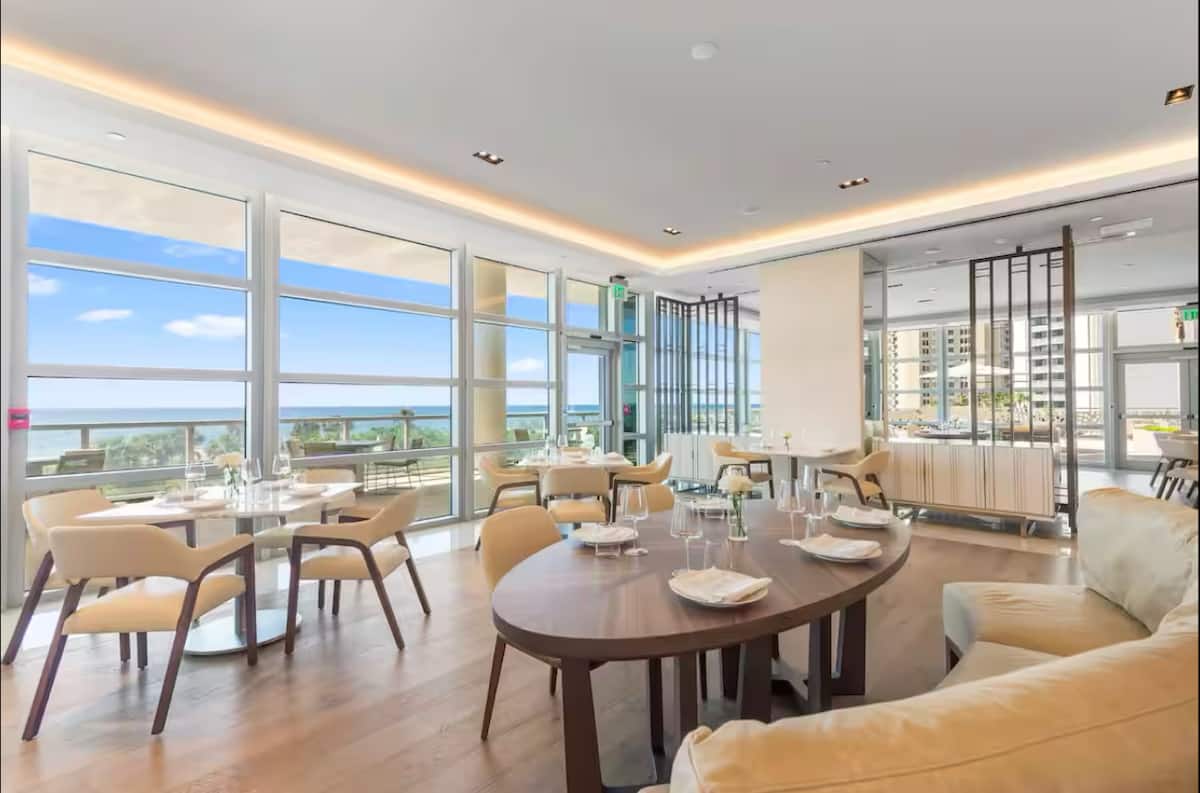
Cross the bridge and the range of food opens up considerably. Singer Island does casual seafood beautifully, but the mainland and the island of Palm Beach give you the full spread of a real dining city. Rather than send you chasing specific names — menus and chefs change, and the best table this year may be a new one next — it is more useful to know what the area does well, so you can walk into a district and pick with confidence. Learn the strengths and you can trust your own read of a menu.
The strengths, by kitchen
- Seafood and raw bars. This is a fishing coast, and it shows on every menu. Look for local grouper, snapper and mahi, and for Florida stone crab in season, roughly mid-October through early May — a regional specialty served chilled with a mustard sauce that is worth ordering whenever the claws are running. Raw bars and fish houses range from casual to white-tablecloth, and the good ones treat the catch simply.
- Steakhouses. Palm Beach money supports proper steakhouses, the kind with a serious wine list, a well-aged cut and a room built for celebrating something. Good for groups and for a night that is meant to feel like an occasion rather than a meal.
- Italian. The county runs deep on Italian, from courtyard trattorias in Palm Beach to lively family-style rooms downtown. A dependable choice when a group cannot agree on anything else, and a cuisine the area does with real conviction.
- Mediterranean and Middle Eastern. Light, sunny cooking that suits the climate — mezze, grilled fish, olive oil and citrus — found on both sides of the water and easy on a warm evening.
- Latin and Cuban. South Florida's backbone. Cuban classics, Peruvian ceviche, Argentine grills and Spanish tapas are all well represented, and the downtown is where you will find the liveliest of them.
- Sushi and Japanese. The Palm Beaches take sushi seriously, with rooms ranging from casual neighborhood counters to sleeker, dressier date-night sushi bars.
- Modern American and farm-to-table. A newer wave of kitchens leans on Florida produce and local fish, more inventive and seasonal, concentrated in West Palm Beach where the younger chefs have set up.
The pattern is simple enough to remember. For the classics — a steakhouse, old-guard Italian, a formal seafood dining room — Palm Beach and its hotels deliver with polish. For range, energy and the newer, more adventurous kitchens, cross to West Palm Beach and work the downtown districts on foot. And for the pure local pleasure of fresh fish eaten by the water, you have a whole separate guide to the marina fish houses back on the island. Match the craving to the side of the bridge and you rarely go wrong. When in doubt in season, order the stone crab and the local catch of the day — the kitchen that handles those well tends to handle everything well.
A last idea for the cooks in the group. The same fresh local fish that fills these menus can come home with you: pick up grouper, snapper or a bag of stone-crab claws from a good market and cook it in the residence's Miele kitchen, and you get the catch without the reservation. Ordering seasonally is the whole trick, both out and at home — stone crab in the cool months, mahi and snapper closer to the warm ones. Let the calendar steer you and you will eat the coast at its best. For where to buy it and how to cook it in, the waterfront-seafood and provisioning guides carry the details.
08By occasion: matching the night to the table
Sometimes you know the mood before you know the menu. Here is how the districts sort out by the kind of evening you are planning, so you can start from the occasion and work backward to a reservation instead of the other way around. It is how most people who know the area decide where to go.
Date night
For a quiet, grown-up dinner, cross to Palm Beach. The hotel dining rooms and the established restaurants around Worth Avenue are built for it — low light, attentive service, an unhurried pace and no music you have to talk over. Dress a notch up, reserve ahead, and let it be an occasion worth remembering. If you want a livelier date with a walk afterward, downtown West Palm Beach gives you dinner plus the waterfront and a cocktail bar to end on, and the option to keep moving if the night wants to.
Groups and celebrations
Big tables want two things: room and range. A downtown steakhouse or a lively Italian room handles a group well, with the space and the noise level a celebration needs. Rosemary Square is forgiving when a party of eight cannot agree, since several options sit within a few steps of one another. Call ahead for anything over six, especially in season, and ask about the best room or patio for a table your size — the answer often makes the night.
Casual and family
When you want dinner to be easy, Rosemary Square is the safe bet — open plazas, a fountain for restless kids, and everything from a quick bite to a proper sit-down within sight of one spot. Clematis Street works too, with sidewalk tables, brunch cafes and a come-as-you-are feel that never makes anyone feel underdressed. Both take the pressure off a night out with children or a group that just wants to relax.
Brunch and long lunches
- Worth Avenue for a leisurely courtyard lunch, best paired with a morning of shopping and a slow afternoon.
- Clematis Street for a weekend brunch with coffee, a walk to the water and no particular schedule to keep.
- Rosemary Square for a midday meal when you have shopping, a movie or a matinee to fold into the same trip.
One rule cuts across all of it: reserve in the high season. From November through April the Palm Beaches are busy every weekend, and the difference between a great night and a frustrating one is often just a phone call made a day or two ahead. Book the table, pick the district that fits the mood, and let the evening take care of itself. The area rewards a little forethought more than almost anywhere on the coast.
Two more occasions worth planning for
For a solo dinner or a low-key night for two, the bar seat is your friend. Downtown West Palm Beach is full of good bar counters where a single diner or a couple can eat well without the ceremony of a full table, chat with a bartender, and be out in an hour if that is all you want. And for a wallet-friendlier evening, the earlier hours are kinder across the county — an early table, a sunset drink and a shared plate or two on Clematis is a lovely, easygoing way to do a night out without turning it into a production. Not every crossing of the bridge has to be an occasion; some of the best are the simplest.
09Making a night of it: dinner and a show
The nicest thing about dining downtown is how much sits within a short walk of the table. West Palm Beach has spent years knitting its restaurants, its theaters and its museum into one walkable evening, and it rewards a little planning. Build the night around a show or an exhibition and dinner becomes the middle of the story rather than the whole of it — which, on a trip that already has plenty of beach to it, is a welcome change of shape.
Anchors to build an evening around
- The Kravis Center for the Performing Arts. Touring Broadway, concerts and more across four venues, right beside Rosemary Square. Eat early nearby, walk over for curtain, and you have a complete night without ever moving the car from the garage.
- The Norton Museum of Art. The county's major art museum, with a Foster + Partners wing and a Friday-evening "Art After Dark" program that pairs beautifully with dinner downtown — culture first while the galleries are lively, a late table after.
- The Society of the Four Arts. Over on Palm Beach, its gardens, lectures and programming make a graceful afternoon before an early island dinner or a quiet meal in town.
The logistics are simple once you see the shape of it. For a performance at the Kravis, reserve dinner near Rosemary Square for around ninety minutes before the curtain, park once in a downtown garage, and walk to everything. For an Art After Dark evening, do the museum first while the light is soft and the rooms are busy, then drift over to Clematis or Rosemary Square for a later dinner and a drink. Both plans keep you inside one walkable pocket of the city and let a rideshare handle the trip home once the wine is poured — no parking to reclaim, no drive to manage.
This is where dining and culture stop being separate outings and start being one good night, and it is one of the real arguments for crossing the bridge in the first place. A beach day and a night at the theater in the same twenty-four hours is a particular kind of luxury, and the geography here makes it effortless. If you want to build the culture half of the evening properly — what is on at the Kravis, the Norton's current exhibitions, the galleries and public art around Clematis — our arts & culture guide lays it out in full. Pair it with a table you have booked in advance and you have the kind of evening people remember a whole trip by, long after the tan has faded.
One tip on timing so the pieces fit. Give yourself enough runway before the curtain — ninety minutes for a full dinner, an hour if you are keeping it light — and do not schedule the meal so tight that a slow kitchen turns into a missed first act. If the show runs late, the beauty of the downtown is that a nightcap is never far: a cocktail bar on Clematis, a last glass at Rosemary Square, or dessert somewhere still humming. Then a rideshare over the bridge and home, with the whole evening behind you and nothing left to do but sleep to the sound of the ocean.
10When to cross the bridge, and when to stay in
Here is the honest close, because a good week uses both sides of the water. Crossing the bridge is for the nights you want a real dining room, a jacket, a show, a city with some noise in it. It is not for every night — and the beauty of the residence is that it never has to be. Some of the best evenings of a Singer Island trip happen without a car at all, on a balcony with the Atlantic doing the entertaining.
On the barefoot nights, stay on the island. The marina fish houses, the beachfront bars and the toes-in-sand lunch are a few minutes from the door, and they are covered in our island restaurants guide. On the quietest nights, stay in entirely. The residence kitchen is a full Miele suite with an island that seats eight, and the local Publix and Whole Foods — or a delivery straight to the door — make a home-cooked dinner as easy as any reservation. A dozen fresh stone-crab claws and a bottle of wine on the balcony, with the sun going down over the Intracoastal, beats a lot of restaurants on a lot of nights.
A sensible rhythm for a week
- Two or three nights across the bridge. One dressier Palm Beach dinner, one lively downtown night on Clematis or at Rosemary Square, and one built around a show at the Kravis or an evening at the Norton.
- A Worth Avenue lunch, paired with an afternoon of shopping, done in daylight and home before the heat of the afternoon.
- The rest on the island. Casual seafood, a sunset drink at the marina, and a night or two cooking in with the balcony doors open and nothing to reserve.
Think of it as a balance rather than a choice you have to make once. The island gives you ease, salt air and a table where nobody minds sand on your feet. The Palm Beaches, twenty minutes south, give you the polish, the range and the occasion for the nights you feel like dressing up and making an event of dinner. Keep a couple of reservations in your pocket for the nights you want to cross, keep the kitchen stocked for the nights you don't, and let the week move naturally between the two. That is how the people who know this coast eat — barefoot most of the time, and dressed for dinner exactly when it counts.
And that, in the end, is the quiet advantage of where the residence sits. You are close enough to the water to spend most nights with sand on your feet, and close enough to the bridge that a proper city dinner is never more than a short drive away. Few places give you both so easily. Stock the kitchen, keep a jacket pressed and a reservation or two in your back pocket, and let each evening decide for itself which side of the bridge it belongs on. The good weeks here are the ones that use all of it — the beach shack and the courtyard, the marina sunset and the theater curtain — without ever making you choose.
Common questions
How far is Palm Beach dining from the residence, and do I need a car?
Downtown West Palm Beach is about a twenty-minute drive south, and the island of Palm Beach is a minute or two more across a bridge. There are no tolls. Rideshare is plentiful and is the easy answer for a night with wine. Brightline's station sits downtown near the restaurants, but it is meant for day trips down the coast rather than hopping over from Singer Island — you would still need a car or rideshare to reach the station.
What's the dress code across the bridge?
Palm Beach runs a touch dressier than the island — think resort-elegant, and a light jacket for the more formal dining rooms. Leave the wet swimwear at the beach. West Palm Beach is more relaxed; smart-casual carries you through Clematis Street and Rosemary Square nearly everywhere. Bring one dressier outfit per person even on a beach trip.
Where should I go for a date, a group, or a night with kids?
For a quiet date, cross to Palm Beach and its hotel dining rooms. For a group or a celebration, a downtown steakhouse or a lively Italian room handles a big table well. With children, <strong>Rosemary Square</strong> is the easy choice — open plazas, a fountain and a range of casual options within a few steps.
Do I need reservations?
In the high season, from November through April, yes — especially on weekends and especially in Palm Beach. A call a day or two ahead is often the difference between a great night and a frustrating one. In the quieter months you have more room to be spontaneous, but the most popular tables still fill up.
Your quiet address above the Atlantic
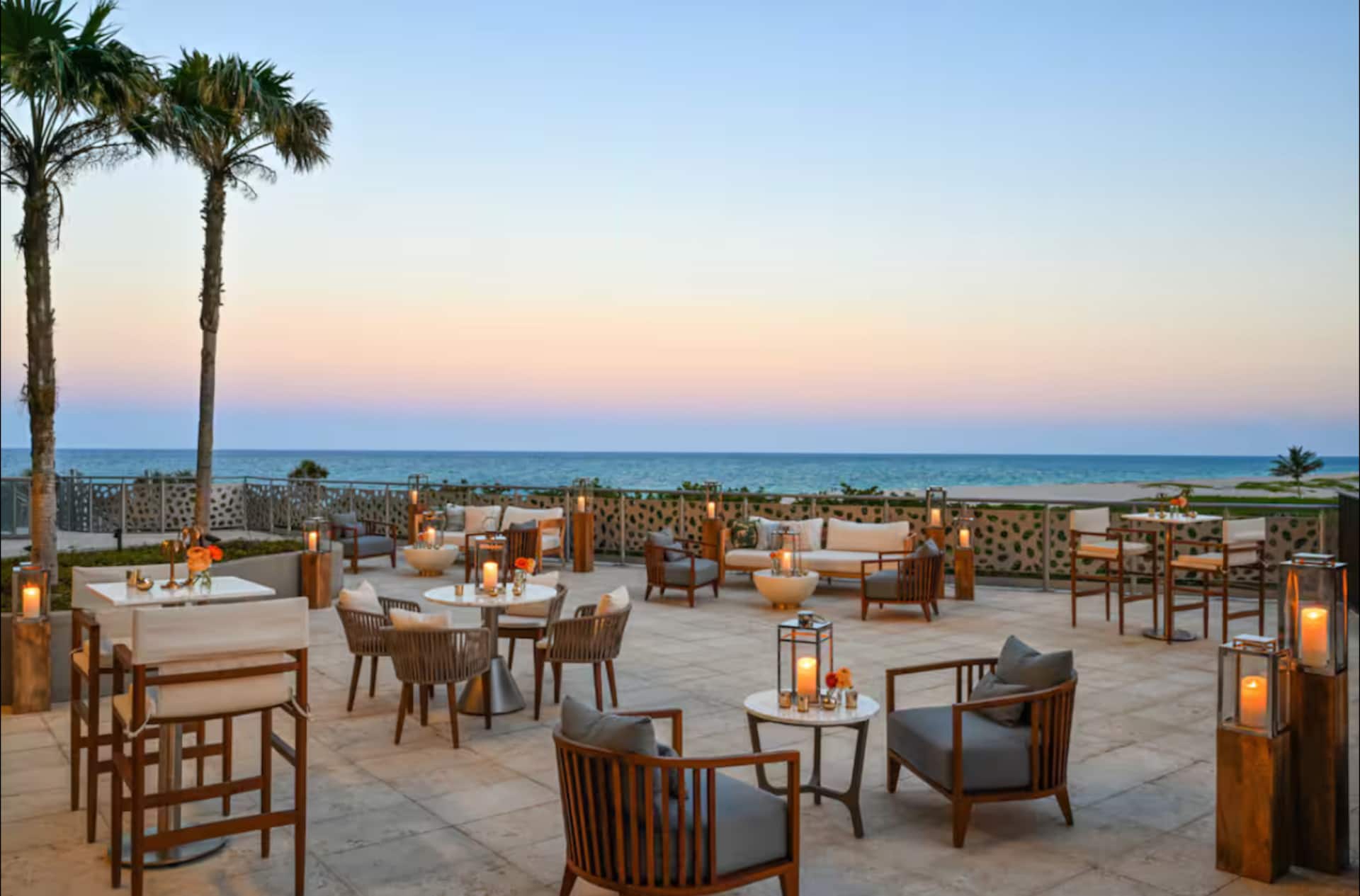
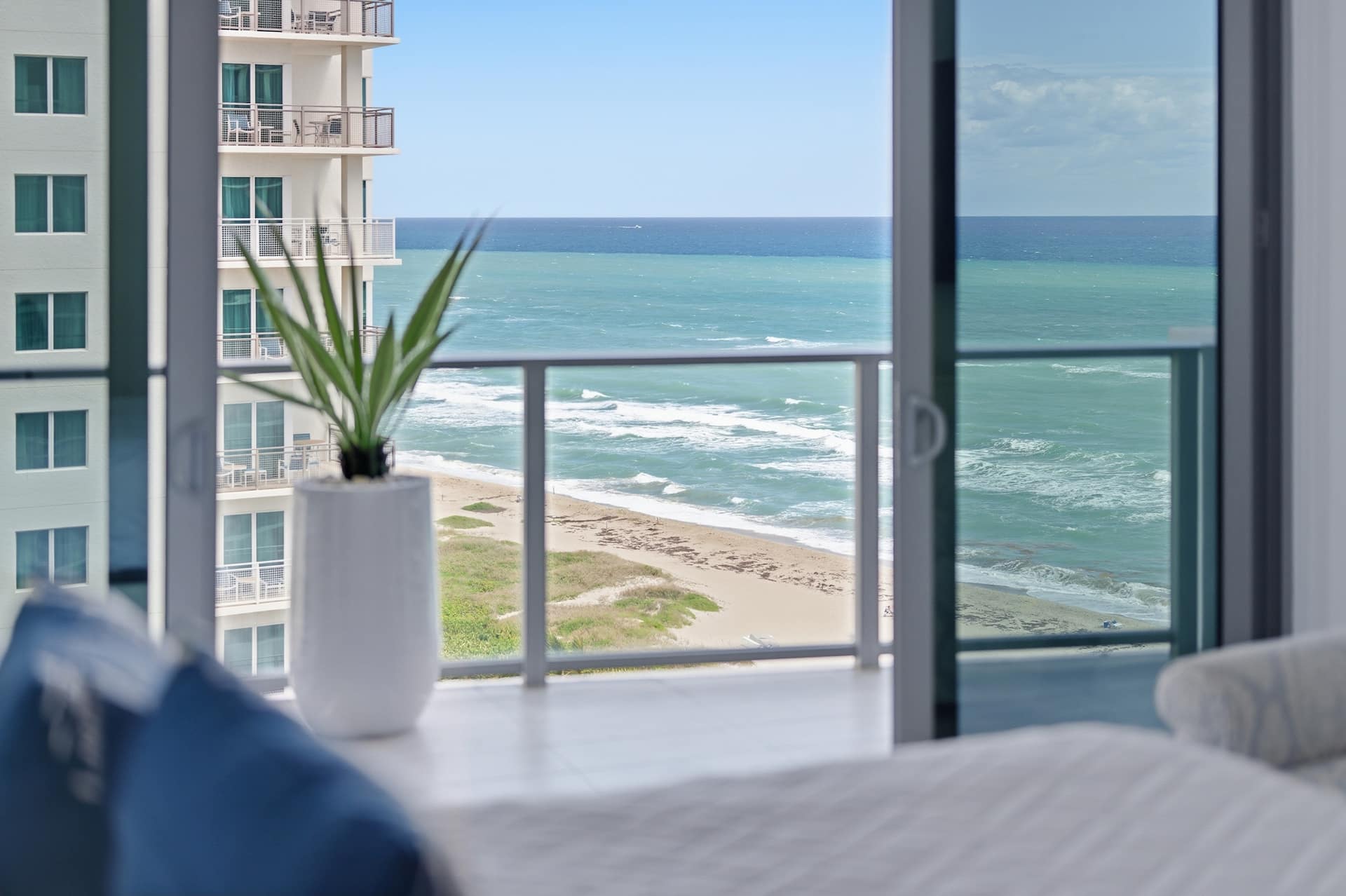
OASENA is a private two-bedroom home on the twelfth floor of the Happiness Tower — floor-to-ceiling ocean views, a sweeping balcony, and this entire wellness world an elevator ride below.
OASENA is a privately owned residence within Amrit Ocean Resort & Residences and is not operated by, affiliated with, or endorsed by the resort. See credits & notes.