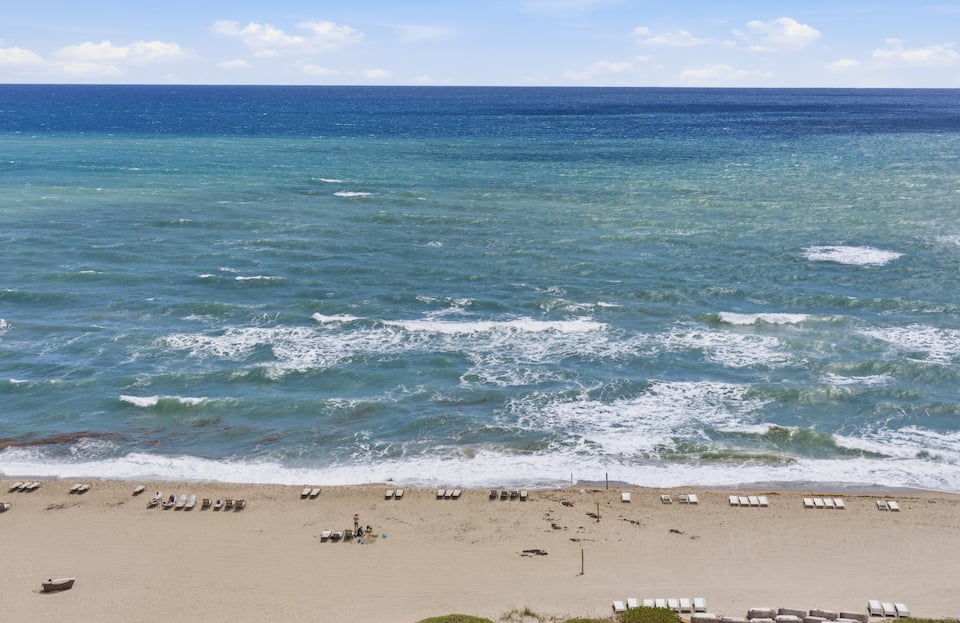
Snorkeling and Diving: Blue Heron Bridge and Beyond
Five minutes from the residence, under a coastal bridge, is one of the best shore dives on Earth for small marine life. Here is how to snorkel and dive Blue Heron Bridge, the tides that make or break it, and where else to get in the water around Singer Island.
01What is under the water here
Some of the finest diving in Florida is not out past the reef line or a long boat ride into blue water. It is under a coastal bridge, about five minutes from the residence, in water shallow enough to stand in. That is the surprising truth of this stretch of coast: the site divers travel for is a shore dive, and it pulls underwater photographers from around the world to a county park that most drivers pass without a second glance. You can be geared up and wet within a few minutes of leaving the residence, and back on the terrace before the day warms up.
Singer Island sits at a rare meeting point. The warm Gulf Stream runs closer to shore here than almost anywhere else on the mainland United States, and it carries clear tropical water and drifting tropical life north from the Caribbean. At the same time, the Lake Worth Inlet and the Intracoastal push a tremendous volume of water back and forth twice a day. Where those two systems meet — around the inlet, under the bridges, over the near-shore rock — you get an unlikely density of creatures in remarkably little depth. It is the reason a highway causeway ends up on lists of the best dives on the planet.
The short version
You have three very different kinds of underwater day within easy reach, and it helps to know which one you are planning before you pack a bag:
- Shore snorkeling and diving at Blue Heron Bridge in Phil Foster Park, the famous macro site, plus the natural rock reefs you can swim to at Ocean Reef Park and John D. MacArthur Beach State Park.
- Sheltered snorkeling in the Peanut Island lagoon, a calm, family-friendly spot reached by a short shuttle from the Riviera Beach Marina, and the gentlest introduction to the water here.
- Offshore boat diving on the reefs and wrecks out past the Palm Beach Inlet, in deeper blue water, for certified divers who want depth, drift and bigger animals.
How warm, how approachable. The ocean here is comfortable for much of the year — warm enough for a thin wetsuit or none at all from spring into late autumn, and cooler in the winter months when a wetsuit earns its keep. Visibility swings with the wind, the swell and, at the bridge, the tide, so the same site can look milky one morning and gin-clear the next. The point is that you do not have to be an expert, or even own gear, to take part. A first-time snorkeler and a seasoned diver with a camera can share the same morning and both come away with a story, which is not something you can say about most of the world's great dive destinations. That range — effortless for beginners, endlessly interesting for veterans — is what makes this such an easy place to build a trip around the water.
None of it is far. The bridge and the marina are minutes away; the state park is just up the island. What follows walks through each option, but it also spends real time on the two things that decide whether a day underwater here is memorable or frustrating: the tide, and knowing what you are looking at once you are down. Get those two right and the rest tends to take care of itself. For the beaches themselves — the parking, the shore access, the lifeguard flags — the companion beaches guide covers the ground in more detail, and it pairs naturally with this one for a full week on and in the water.
02Blue Heron Bridge, the shore dive people fly in for
The address is plain enough: Phil Foster Park, 900 Blue Heron Boulevard, Riviera Beach, on the causeway between the mainland and Singer Island. You park, you walk down to a beach, and you wade in. There is no boat, no long surface swim, no dramatic drop into deep water. And yet this modest county park is regularly named among the best shore dives on the planet for one specific reason: the sheer variety of small, strange, hard-to-find creatures living in the shallows under and around the bridge. Photographers who have dived tropical destinations across the world come here to check species off their list, and many of them do it in six to twenty feet of water within sight of the road.
Divers call this kind of diving macro — the hunt for the little things. Instead of cruising over a reef looking for turtles and sharks, you move slowly, a few feet at a time, scanning the sand, the rubble and the pilings for animals the size of a thumbnail. It is diving as patient searching rather than sightseeing, and the bridge rewards it like almost nowhere else. The park has the ordinary comforts of a county facility — parking, restrooms, outdoor showers to rinse gear, picnic tables and a small beach that shelves gently into the water — which makes it as easy to reach as any beach day, even when you are hauling tanks.
Why this spot, of all places
A few things line up here that rarely line up together:
- Shelter. The bridge and the park sit inside the inlet, protected from open-ocean swell. On a calm slack tide the water can go glassy and flat, which almost never happens on an exposed beach.
- Structure. Bridge pilings, an artificial snorkel trail of boulders, and a scatter of small sunken features give animals endless places to hide, hunt and settle. Structure is life underwater, and there is a lot of it here.
- Clean inflowing water. On the incoming tide, the ocean pushes clear water in from the inlet, lifting visibility far above what you would expect this close to shore.
- Shallow and accessible. Most of the life is in easy depths, so you get long bottom times and gentle, forgiving conditions when the tide is right — ideal for newer divers and for anyone learning to shoot underwater.
Because word has spread, the park can get busy on a good weekend slack tide, with divers, snorkelers and families all sharing the same small beach. Come early, and the parking and the water are both easier to enjoy. Being minutes from the residence is a quiet advantage here: you can watch the tide table, leave at exactly the right moment, and skip the long drives that divers coming from farther afield have to make to catch the same window. Keep your setup simple, carry your gear down to the beach in one trip if you can, and you will be in the water while others are still circling the lot for a space. The ease of it is part of the pleasure — a world-class dive with a beach-day level of effort.
The catch — and it is a real one — is that the bridge only works on the right tide. Show up at the wrong moment and you will find a stiff current, stirred-up sand and disappointing visibility, and you will wonder what all the fuss was about. Time it well and it becomes one of the most rewarding hours you can spend underwater anywhere near the residence. Because that timing matters so much, it gets its own section below; read it before you plan a morning.
03The snorkel trail and the dive route
Phil Foster Park is really two experiences stacked in the same water, and it helps to know which one you are there for before you pull on a mask. One is designed for snorkelers at the surface; the other is for divers working the flats. They overlap, but they ask for different gear, different skills and, in places, different depths.
The snorkel trail
Running along the east side of the park is a purpose-built snorkel trail, roughly 800 feet of Anastasia limestone boulders and prefabricated reef modules laid out in shallow water, generally between six and ten feet deep. It was created to give snorkelers something to explore without needing scuba gear, and it does exactly that. You float at the surface, look down, and drift the line of rock and reef watching fish shelter in the crevices, with the occasional ray or larger fish passing through. Because it is shallow and close in, it suits confident swimmers, older children with an adult alongside, and anyone who wants the reward of a reef without the commitment of a tank. Bring your own mask, snorkel and fins if you have them, or rent from a local shop. Conditions are best, again, near high tide, when the water over the trail is clearest and calmest, and there is little to no current to fight.
The dive route
Divers work a wider area. Off the trail and around the bridge, the bottom drops to about twenty feet near the pilings and a handful of small sunken features and wrecks placed to attract life. This is where the serious macro hunting happens: divers move slowly along the sand flats and structure, often on a single long, shallow dive that can stretch well past an hour because the depth is so forgiving. The typical plan is simple.
- Gear up and be at the water's edge as the tide approaches high slack.
- Enter as the current dies, and work outward with the last of the incoming water.
- Turn the dive well before the tide begins to run again.
- Exit back at the beach with plenty of the window to spare.
A few practical notes make the difference between a good day and a scrubbed one:
- Depth is your friend here. Because you rarely go deep, air lasts and no-decompression limits are generous. The limiting factor is usually the tide window, not your tank.
- Go slow. The animals are small and camouflaged. The divers who see the most are the ones who move the least and look the hardest.
- Mind the boat traffic. This is an active waterway near an inlet. Stay within the marked and protected areas, tow a surface marker if you are diving, and keep well clear of channels.
- Rinse everything. Sand and salt are hard on gear. Most regulars rinse at the park showers and again back at the residence.
Getting in and out. Entry is an easy walk from the beach rather than a giant stride off a boat, which is part of what makes the site so forgiving. Wade out until you can float, drop below the surface, and stay shallow. Keep track of where you started so you can walk back out at the same spot, and give yourself margin to exit before the current builds again. A little neoprene helps even in warm water, both for warmth on a long, slow dive and for protection against the odd barnacle-crusted piling, and a pair of gloves is worth having if you plan to steady yourself near structure. None of this is demanding, which is exactly why the bridge is where so many divers fall for macro in the first place.
Whether you snorkel the trail or dive the flats, the site asks the same thing of you: patience, and respect for the tide.
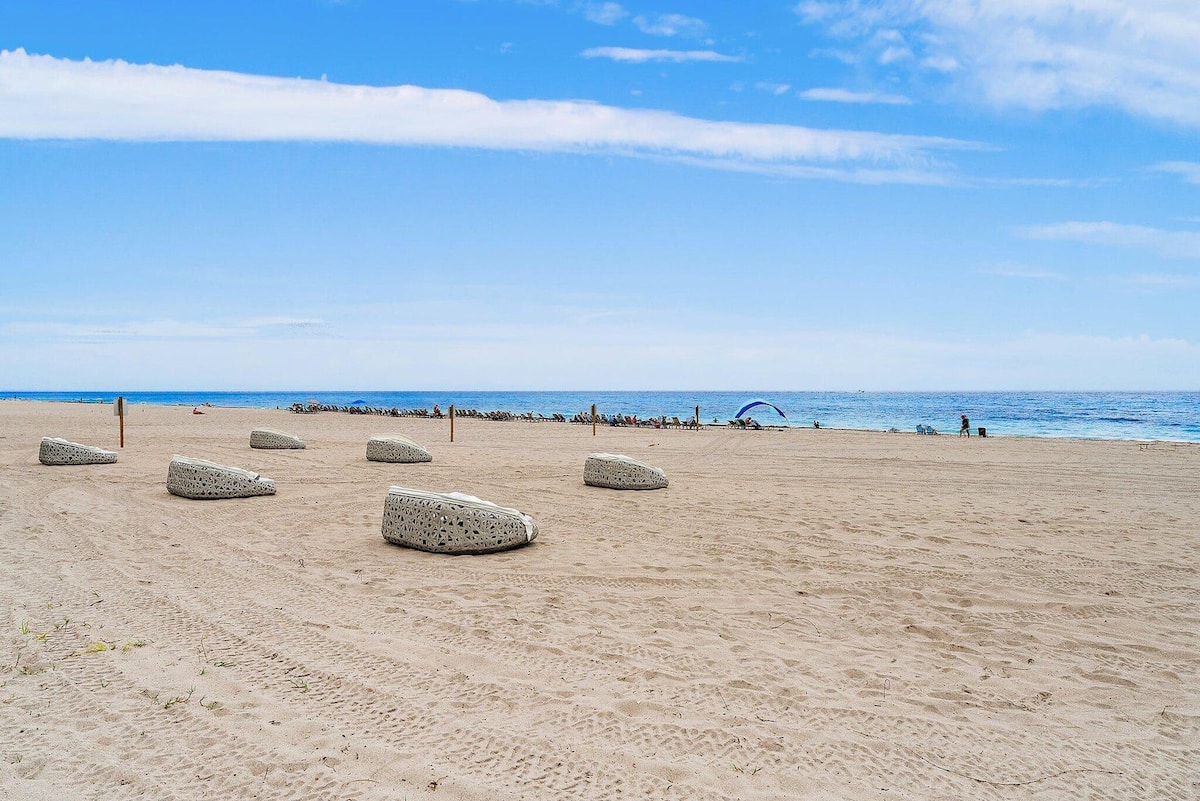
04Reading the tide, the one rule that matters
If you take only one thing from this guide, take this: at Blue Heron Bridge you dive on high slack tide, and almost never otherwise. This is not a preference or a nicety. It is a safety rule and the single biggest factor in whether you see anything at all. Every local diver plans their morning around it, and so should you.
What high slack tide means
Twice a day the tide rises to its peak and then, for a short spell, the water goes still before it begins to fall. That pause — slack water — is the window. At high slack the current drops to almost nothing, the sand settles, and the clear ocean water that has been pushing in through the inlet sits over the site instead of racing across it. Visibility can jump from a few murky feet to twenty or thirty clear ones in the space of half an hour. The practical window is roughly thirty to sixty minutes on either side of high tide. Get in shortly before the peak, enjoy the calm, and be heading out as the water starts to move again.
Dive on a running tide instead and two things go wrong at once. The current can be strong enough to sweep you off the site or make it exhausting to hold position, and that same moving water stirs up sediment until you can barely see your own hands. In a busy boating channel near an inlet, a strong current is not just annoying, it is dangerous, and it is how visitors who ignore the tide get into trouble.
How to get the timing right
- Check a local tide table the night before. Look up the high tide for the Lake Worth Inlet or Blue Heron Bridge specifically, not a generic beach forecast, and build your morning around it.
- Aim to enter the water before the listed high. You want to be geared up and wet as the current dies, not still lacing fins when the window opens. Ten or fifteen minutes early beats a minute late.
- Let the day dictate the plan. Because high slack shifts by about an hour each day, some mornings the timing is perfect and some fall awkwardly early or late. Plan the rest of the day around the tide, not the other way around.
- When in doubt, ask a dive shop. The local shops live by these tables and will tell you exactly when to be there and whether the day looks promising.
Here is how it plays out in practice. Say the tide table shows a high at nine in the morning at the inlet. You would aim to be parked, geared and stepping into the water by around half past eight, work the calm as the current fades to nothing near nine, and be climbing out by around half past nine as the ocean begins to pull back out through the inlet. Miss that window by an hour in either direction and you are diving a moving tide, with the visibility and the effort both working against you. The following day the same high arrives roughly an hour later, so the whole plan simply slides along with it — which is why regulars check the table fresh every single time rather than assuming yesterday's timing holds.
It sounds fussy written down. In practice it becomes second nature after one visit, and it is simply the price of admission to a site that would otherwise be impossible to enjoy. The tide is the lock, and the timing is the key. There is a bright side, too: because the window is fixed, a bridge morning is naturally short and unhurried, which leaves the rest of the day free for the beach, the boat or lunch on the water.
The whole game here is the tide. Come at high slack, and the ocean pushes clear water in under the bridge and holds it still for an hour; come at the wrong time and you are fighting a current in green soup.
On diving Blue Heron Bridge
05What you will meet down there
The reason people obsess over this site is the cast of characters. The shallow water under and around the bridge is home to an unusual concentration of the small, the rare and the frankly bizarre — animals that divers elsewhere spend years hoping to find. You will not see all of them in a single dive, and part of the pleasure is that no two visits are ever the same. But over a week of well-timed mornings, a patient snorkeler or diver has a real chance at a remarkable list, and even a first outing usually turns up something worth the trip.
The headliners
- Seahorses. The site is famous for them. They cling to rope, weed and rubble with their tails, and they are masters of staying still and unnoticed until your eye finally resolves one out of the background.
- Octopus. Several kinds live here, tucked into holes and shells by day, and they are among the most rewarding animals to watch as they change color and texture in front of you.
- Frogfish. Lumpy, ambush-hunting fish that look exactly like a sponge or a rock until they move. Finding one is a small triumph that regulars still get excited about.
- Nudibranchs. Sea slugs in improbable colors, some no bigger than a grain of rice, beloved by macro photographers for their patterns.
- Flying gurnards. Bottom-walking fish that spread huge, iridescent fan-like fins when startled, one of the odder sights on the flats.
- Batfish and rays. Strange, flattened batfish shuffle across the sand, while stingrays and the occasional larger ray glide over the flats and settle into the sediment.
Beyond that short list you will find pipefish, blennies and gobies peering from holes, arrow crabs and decorator crabs, spotted eels, juvenile tropical fish that drifted in on the Gulf Stream, and schools of small baitfish that draw larger hunters in behind them. The mix shifts with the seasons and the water temperature, so a spring dive and an autumn dive can feel like two different sites.
How to see them
Macro life hides for a living, so the animals reward a particular way of moving:
- Slow down past the point of feeling slow. The divers who fill a memory card are the ones drifting a few feet a minute, scanning every surface twice.
- Look for the out-of-place. A lump on a piling, a color that does not match the sand, a shape too symmetrical to be rubble — that is usually the animal.
- Learn the hides. Seahorses favor rope and weed; frogfish favor sponges; octopus favor holes ringed with cracked shells they have carried home as a kind of front door.
- Never touch or move an animal. Beyond the harm it does, handling a creature ends the encounter for everyone behind you. Watch, photograph, and leave it exactly where it was.
How the site changes. The bridge is not a fixed aquarium; it turns over with the seasons and the passing Gulf Stream. Warmer months tend to bring a flush of tropical strays and busy breeding activity, while cooler months push different species in and change the mood of a dive entirely. Even the resident animals move around, so a seahorse that spent a week on one particular rope may be gone the next time you look. That churn is precisely the appeal for people who dive it often: the site rewards return visits, and the divers who know it best are always trading notes on what has turned up lately and where it was last seen. Two mornings in the same week can hand you two completely different dives.
A local dive guide is worth a great deal here precisely because they know where specific animals have been living lately. If seeing a seahorse or a frogfish is on your list, going out with someone who dives the bridge every week is the fastest way to make it happen.
06Night dives and underwater photography
Two things pull the most dedicated divers back to this bridge again and again: it is a superb site to dive after dark, and it is one of the great classrooms in the world for learning underwater photography. The two go hand in hand, and both are within reach of a visitor staying just up the island.
After dark
Many of the site's most interesting residents are nocturnal, and a night dive here is a completely different experience from the same water at noon. Octopus come out to hunt, crabs and shrimp emerge from the rubble, and colors that look muted by day flare under a dive light. Because the water is shallow and, on a good slack tide, calm, it is a comparatively gentle place to try night diving for the first time. That said, night diving asks for more, not less: a reliable primary light and a backup, a buddy you trust, and a careful eye on the tide and the boat channels, which are all harder to judge in the dark. Rules and access hours at the park can change, and a night dive may require registration or a permit, so confirm the current requirements with a local dive shop before you plan one. Never treat a night dive as a casual add-on to a beach day.
Behind the camera
The bridge is where a great many divers take their first serious underwater photos, and for good reason:
- The subjects hold still. A seahorse or a frogfish will often sit long enough for you to work your framing and lighting, which is a gift when you are learning and everything feels awkward.
- The depth is forgiving. Long, shallow dives mean you can spend an hour on a single subject without watching your air or your limits nervously.
- The variety is endless. On one dive you might shoot a nudibranch, an octopus and a ray, practicing both wide and macro technique in the same session.
- Help is close. The local shops rent cameras and lights and run photo-focused guided dives, so you can learn from someone who knows the site.
Start simple. If you are new to shooting underwater, resist the temptation to arrive with a bag full of gear you have never used. A single light and a camera you know well will teach you more than a complicated rig you are still fighting with at the bottom. Master your buoyancy first, so that framing a shot is not a battle with the sand, and learn to approach an animal slowly and from the side rather than looming over it from above. The best pictures from this site are rarely the ones taken with the fanciest equipment; they are the ones taken by a diver calm enough to hover, wait, and let the octopus decide you are not a threat before it goes back to being itself.
A few habits keep photography from doing harm. Set your buoyancy before you point a lens at anything, so you are not kicking up sand or bracing a hand on live rock. Keep strobes and focus lights off an animal's eyes as much as you can. And resist the urge to reposition a creature for a better shot — the picture is never worth the stress it causes, and a stressed animal simply leaves. The photographers respected here are the ones who leave the site exactly as they found it, animals and all, and come home with the shot anyway.
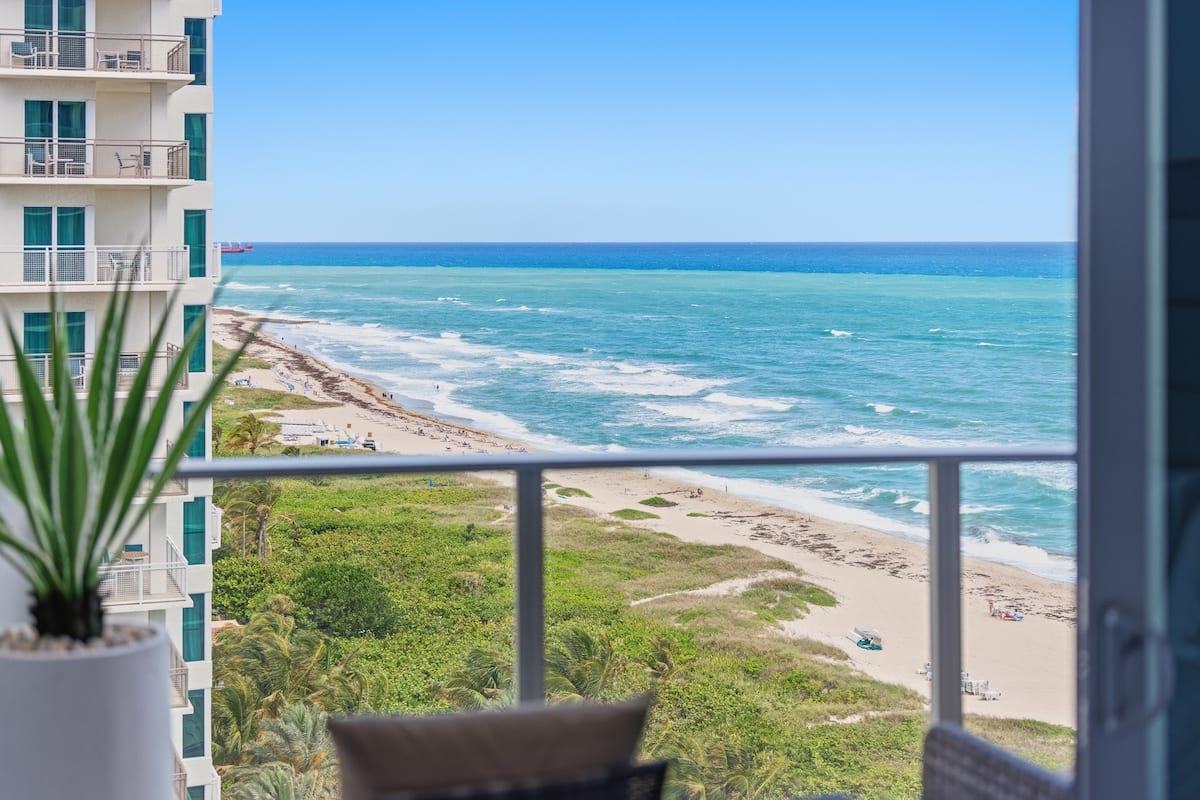
07Beyond the bridge: reefs, parks and the Peanut Island lagoon
The bridge is the headliner, but it is far from the only water worth getting into. Three more shore-based spots round out the picture, each with a different character, and together they give you a week's worth of variety without ever needing a boat.
Ocean Reef Park
On Singer Island itself, Ocean Reef Park offers something the bridge does not: a natural rock reef close to shore that you can snorkel straight off the beach. It is a county park with restrooms, showers, picnic tables and a playground, which makes it an easy family morning. The reef sits near enough to shore that strong swimmers can reach it, and it holds tropical fish, the occasional ray and plenty of smaller life. Conditions depend entirely on the surf; a calm, clear day is the one you want, and a windy, churned-up day is one to skip in favor of the sheltered lagoon.
MacArthur Beach and the ancient reef
Just up the island, John D. MacArthur Beach State Park guards a genuine piece of natural history. Lying in the shallow water off the beach is an Anastasia limestone reef roughly 125,000 years old — an ancient formation exposed close to shore. On a calm day you can snorkel out to it and find reef squid, snook and tropical fish sheltering in the rock. The park also runs the Kirby Nature Center, with live loggerhead sea turtles, and rents kayaks for exploring the estuary, so it makes a full day even for non-divers. Our MacArthur Beach guide covers the park, the sea turtles and the estuary in far more depth.
MacArthur Beach also rewards the unhurried. The reef lies close in, so you do not need to be a strong distance swimmer to reach it on a flat, calm day, and the estuary behind the beach is a world of its own for anyone who would rather paddle than dive. Between the boardwalk, the nature center with its live loggerheads, and the rental kayaks that run through the middle of the day, a family can build a whole day around the water without anyone needing a tank or a certification. That mix makes it one of the better choices for a group with mixed appetites for the deep — where one person snorkels the ancient rock, another drifts the calm estuary with a paddle, and a third is happy just walking the boardwalk with the birds.
The Peanut Island lagoon
For calm, sheltered snorkeling that suits families and cautious swimmers, it is hard to beat Peanut Island. This 79-acre park sits in the Lake Worth Inlet and is reached by a short shuttle from the Riviera Beach Marina — boats run roughly every twenty-five minutes, generally from mid-morning to late afternoon — or by private boat. On the inlet side is a protected snorkeling lagoon, best at high tide when clear ocean water fills it and the current is gentle. There are restrooms, showers and picnic areas, but no concessions, so bring your own food and water for the day. The island also has walking paths, tent camping for those who reserve ahead (up to a few nights), and a preserved Cold War-era bunker built as a shelter for President Kennedy. It is the easiest, most forgiving snorkel in the area, and a good first stop for anyone building water confidence before tackling the bridge or the open reef.
08Going offshore: reef and wreck boat diving
Everything so far has been reachable from a beach. But the same Gulf Stream that lifts the shallows also feeds a serious offshore scene, and for certified divers who want depth, blue water and bigger animals, a boat out past the Palm Beach Inlet opens a different world. The inlet gives fast ocean access, so the ride out is short and the sites are close.
The reefs
A series of natural reef ledges runs parallel to the coast in deeper water, and because the Gulf Stream sits so close in, this is classic drift diving country. Boats drop you up-current, you descend, and the current carries you gently along the reef while the crew follows your bubbles from above and picks you up wherever you surface. It is relaxed, efficient diving that covers a lot of ground with very little effort. On the reefs you can meet the animals the shallows rarely show: sea turtles, larger rays and eagle rays, reef sharks, big schooling fish, and in the cooler months the chance of larger visitors passing through on the current.
The wrecks
The area is also known for its wrecks, a mix of ships deliberately sunk to build habitat and a few that went down the hard way. Over the years they gather coral, sponges and dense schools of fish, and they give a dive a focus and a sense of scale that open reef does not. Wreck depths vary widely, and many sit deep enough that they call for solid experience, good buoyancy and often specific training. This is not shallow, forgiving bridge diving; it is proper open-water work, and it deserves to be treated that way.
A few things to sort out before you book a boat:
- Bring proof of certification. Offshore operators will ask for your card, and for deeper or wreck dives they may ask about recent experience or specialty training.
- Be honest about currents. Drift diving is easy once you relax into it, but it is not the place to discover you are uncomfortable in moving water. If you are rusty, say so, or book a refresher first.
- Pick the trip to the diver. Ask the shop to match the site to your experience rather than aiming for the deepest wreck on the schedule. A good operator would rather you enjoy an easy reef than struggle on a deep one.
- Watch the weather and the sea state. Offshore days get called off for wind and swell far more often than the sheltered bridge does, so keep the plan flexible.
What you might see, and when. The offshore mix shifts through the year. The warmer months bring easy, clear-water reef days and active fish life, while the cooler months change the cast and, some years, bring larger animals moving along the coast on the current. Water temperature drops enough in winter that a thicker wetsuit is worth packing for boat days even when the shallows still feel mild. A half-day two-tank trip is the usual shape of an outing: one deeper dive first, a surface interval resting on the boat, then a shallower reef to finish. Book ahead in the busy winter season, when the boats fill quickly and the best crews are spoken for early. And if the forecast turns, take the operator's call to cancel gracefully — the sea will be there another day.
If time on the water appeals more broadly — fishing, cruising, the run out to Peanut Island — the boating & fishing guide covers the marinas, the charter types and the inlet in full, and many of the same operators run both.
09Dive shops, gear, lessons and certification
You do not need to arrive with a full kit, or even a certification, to get in the water here. The area is well served by dive shops that rent gear, run guided trips, fill tanks and teach every level from a first cautious try to advanced specialties. For a visitor, a shop is often the shortcut to a great day rather than an expense to avoid.
The local shops
Two names come up again and again. Pura Vida Divers is based right on Singer Island and runs guided shore dives at Blue Heron Bridge along with offshore boat trips, rentals and a full slate of courses. Force-E Scuba is another long-established regional operator, with gear, training and trips. There are other shops around the Palm Beaches as well. Any of them can rent you a mask, fins, wetsuit, tank and weights, and a guided bridge dive with a shop is the single best way for a visitor to see the most on a first outing, because the guides know exactly where specific animals have been living and how the tide is running that day.
Trying diving, or getting certified
- Never dived before? Most shops offer a supervised introductory experience — a pool or shallow-water session with an instructor, no certification required — which is a low-pressure way to find out whether diving is for you before committing to a course.
- Want your card? A full open-water certification usually takes a few days and combines classroom or online study, confined-water skills and open-water dives. The calm, shallow local sites make good, unintimidating training water.
- Already certified? Bring your card, rent what you need, and join a guided trip. If it has been a while, book a refresher first; there is no shame in it, and it makes the whole day safer and better.
- Snorkeling only? You need very little — a mask, snorkel and fins, all easily rented — and the snorkel trail, Ocean Reef Park and the Peanut Island lagoon are all reachable without any scuba certification at all.
Booking a guided day. A little planning goes a long way with a shop. Call ahead rather than walking in, especially in the busy winter months when trips fill fast, and tell them honestly where you sit — first-time snorkeler, newly certified, or experienced with a camera — so they can put you with the right group and pick the right tide. Ask what is included and what you need to bring, whether that is a wetsuit, a towel, or just yourself and a swimsuit. Many shops will also build the whole morning around the slack window for you, setting a meeting time that has you in the water exactly when the current dies. That quietly takes the guesswork out of the one thing that most needs getting right, and it is worth every bit of the convenience.
A quick word on gear you bring from home: check it works before you travel, service anything that is due, and give everything a thorough freshwater rinse after each outing. Salt and sand are what wear dive gear out. The valet parking and the outdoor showers make it easy to hose the salt off before it dries into your kit, and a mesh bag on the balcony dries wetsuits and fins overnight so they are ready for the next slack tide.
10Safety, tides and treading lightly
The water here is welcoming, but it is still the ocean, near an inlet, with real currents and real boat traffic. A little discipline keeps a great day from turning into a bad one, and keeps the sites healthy for the people diving them after you. None of this is complicated; it is just worth doing every single time.
Staying safe
- Respect the tide, every time. At the bridge, dive on high slack and get out as the current returns. This is the rule that protects both your visibility and your safety, and it is the one visitors most often ignore to their cost.
- Never dive alone. Use the buddy system, agree on a plan before you get in, and stay close enough to help each other if something goes wrong.
- Fly a signal. A dive flag and a surface marker tell boats where you are. In these channels that is not optional, it is how you stay unhurt.
- Know your limits and your gear. If you are new, rusty or unsure, go with a shop or a guide. If conditions look wrong — strong current, poor visibility, rough surf — there is no prize for getting in anyway. The bridge will still be there tomorrow, on a better tide.
- Mind the sun and the heat. The water is warm most of the year, roughly from spring through late autumn, but the Florida sun is strong even on the water. Hydrate, and use reef-safe sunscreen or cover up with a rash guard.
Leaving it as you found it
These sites are busy and beloved, which means the pressure on them is real. A few habits from every visitor add up to a great deal:
- Look, do not touch. Do not handle, chase or move any animal, and never pry a creature from its hiding place for a photo. The seahorses and octopus people travel to see are here because they are left alone.
- Control your fins and buoyancy. One careless kick can flatten years of growth or bury an animal in silt. Hover, do not stand on the reef or the trail boulders.
- Take only pictures. Leave shells, rock and living things where they are, and carry out every scrap you bring in, right down to a stray fin strap.
- Give sea turtles room. Nesting season runs March through October. If you meet a turtle in the water, keep your distance and let it go about its day rather than crowding it for a photo.
A simple plan that works. If you want the shortest route to a good day, it looks like this: pick your site to the day's conditions, check the tide the night before, go with a shop or a buddy who knows the water, get in early, move slowly, and touch nothing. Carry water, wear sun protection, and keep a signal above you. Do that, and the odds of a memorable morning are firmly in your favor, whether you are floating the snorkel trail with the kids or hunting frogfish along the flats with a camera. The water here is generous to people who come to it with a little care, and it stays generous only if each of us treats it that way.
Dive it well and this coast gives back more than almost anywhere its size — a seahorse on a rope, an octopus flowing across the sand, an ancient reef in the shallows, all a few minutes from where you sleep. Treat it gently, watch the tide, and it will still be here, just as good, on your next visit and the one after that.
Common questions
Do I need to be a certified diver to enjoy the underwater sights here?
No. Much of the best water is for snorkelers. The 800-foot snorkel trail at Blue Heron Bridge, the natural reef at Ocean Reef Park, the ancient reef off MacArthur Beach and the sheltered Peanut Island lagoon are all reachable with just a mask, snorkel and fins. Scuba certification opens the deeper bridge flats and the offshore reefs and wrecks, and local shops teach every level if you want to learn.
When is the best time to dive or snorkel Blue Heron Bridge?
On <strong>high slack tide</strong> — roughly thirty to sixty minutes on either side of high tide — and almost never otherwise. That window is when the current stills and clear ocean water fills the site. Check a local tide table for the Lake Worth Inlet the night before and plan your morning around it. Diving on a running tide means strong current and poor visibility, and near an inlet that is a safety issue, not just an inconvenience.
What might I see at the bridge?
It is one of the best-known shore dives for small marine life. Regulars find seahorses, octopus, frogfish, nudibranchs, flying gurnards, batfish and rays, along with pipefish, eels, crabs and drifting tropical juveniles. You will not see all of it in one dive, so patience pays. Going out with a local guide who dives the bridge weekly is the fastest way to be shown the rare animals.
How far is all this from the residence?
Very close. Phil Foster Park and Blue Heron Bridge are about five minutes away, and the Riviera Beach Marina shuttle to Peanut Island leaves from nearby. Ocean Reef Park is on Singer Island and MacArthur Beach is just up the island. You can be in the water shortly after leaving the residence and back before the day heats up.
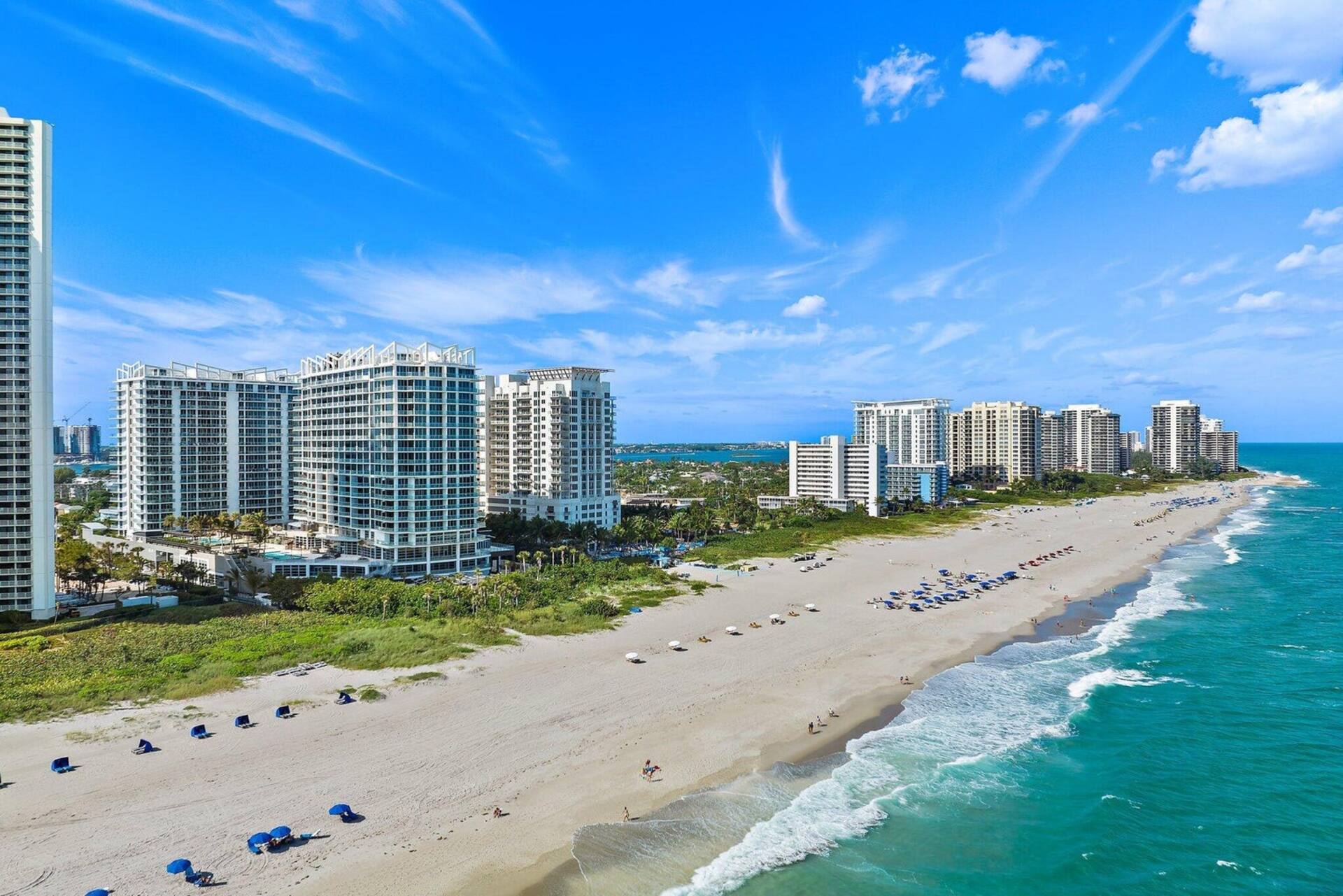
Your quiet address above the Atlantic
OASENA is a private two-bedroom home on the twelfth floor of the Happiness Tower — floor-to-ceiling ocean views, a sweeping balcony, and this entire wellness world an elevator ride below.
OASENA is a privately owned residence within Amrit Ocean Resort & Residences and is not operated by, affiliated with, or endorsed by the resort. See credits & notes.