Getting Around Singer Island Without a Car
You can spend a full week at OASENA and never rent a car. This is how to get around Singer Island by rideshare, train, water taxi, bike and delivery, with a plain look at when a car still earns its place.
01The case for skipping the car
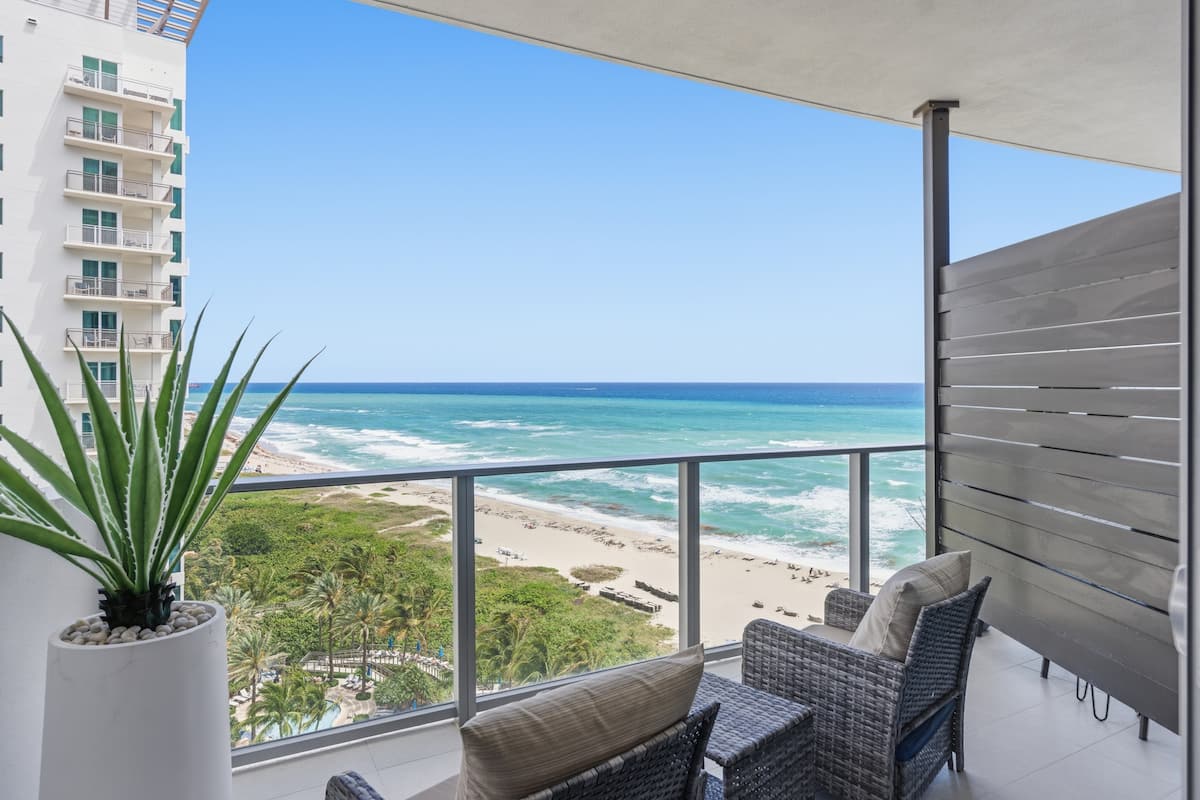
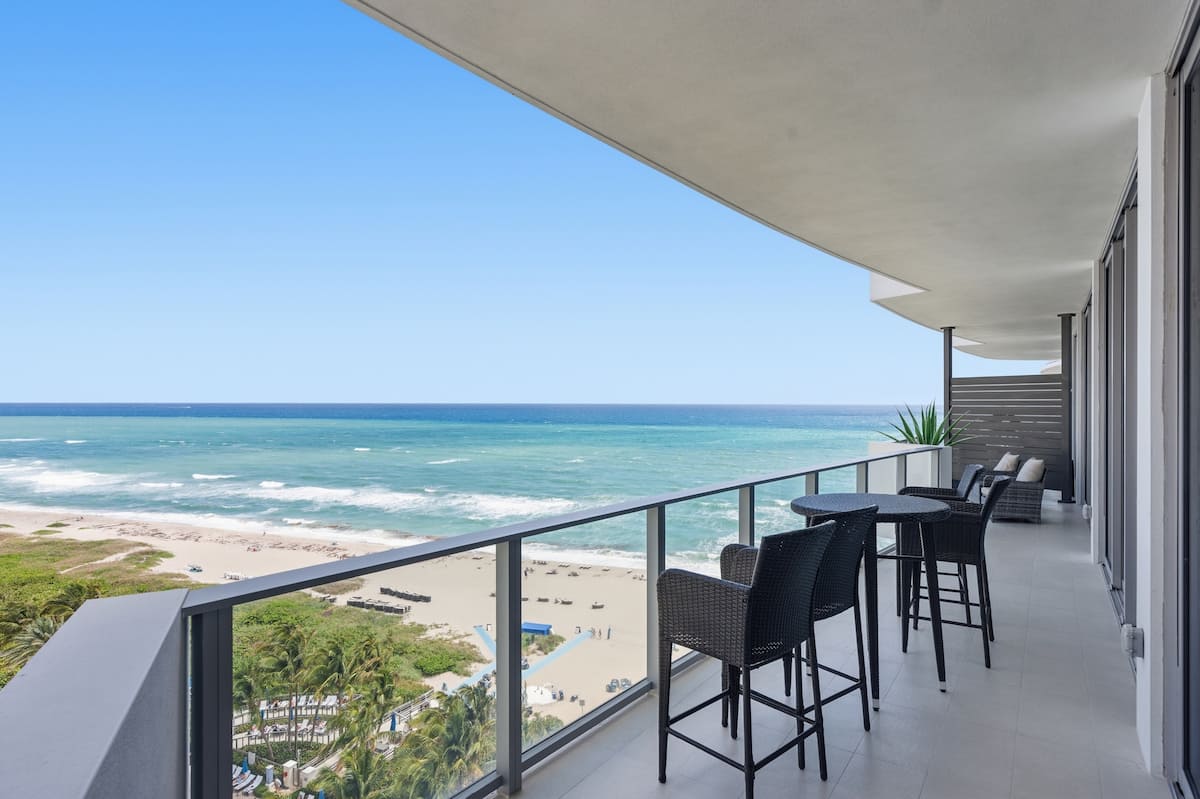
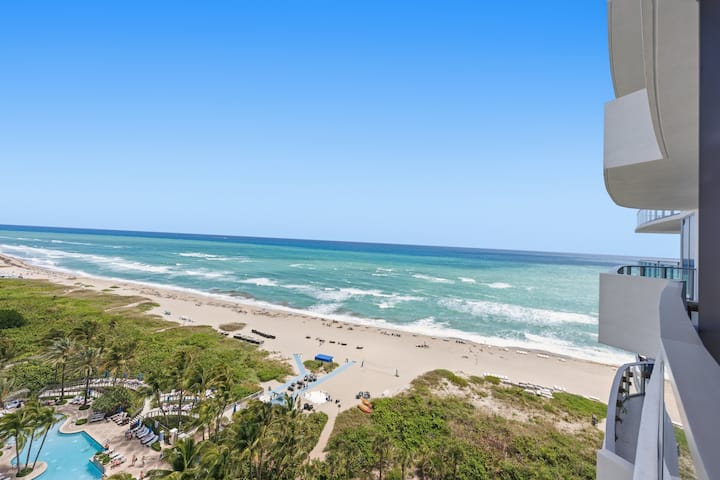
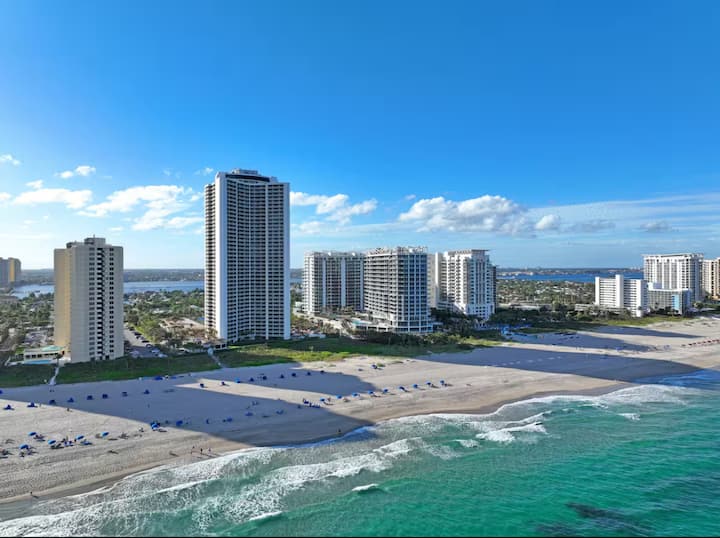
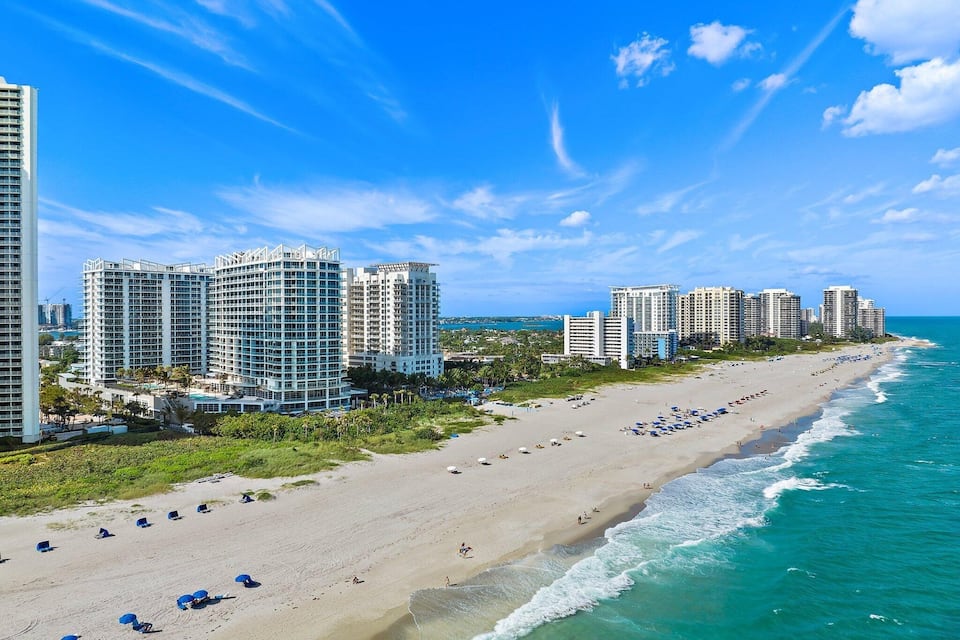
You can spend a full, satisfying week at OASENA and never once sit behind a wheel. That is not a compromise or a stunt — it is simply how the building sits on the island. The residence occupies the twelfth floor of the Happiness Tower at Amrit, on roughly seven beachfront acres between the Atlantic and the Intracoastal, and the two things most guests come for are already here: the ocean is at the base of the tower, and the wellness centre is an elevator ride below. Everything else — dinner across the bridge, a day in Miami, a snorkel at a world-class dive site — is reachable without a car if you know the handful of ways to move around.
This guide walks through each of them, honestly. Some are excellent and you will use them daily. Others are useful in a pinch and worth knowing about even if you never touch them. The point is not to talk you out of a rental car — for some trips, renting a car is the easiest choice, and this guide says so clearly near the end. The point is that a car is optional here in a way it is not in most of Florida, and plenty of guests are happier, and calmer, without one.
Here is the short version of what you have to work with:
- Rideshare. Uber and Lyft are the everyday backbone — plentiful, quick to arrive, and the way most car-free guests get to dinner, the marina and the airport.
- The train. Brightline runs from a station in downtown West Palm Beach, about fifteen to twenty minutes away, and turns Miami, Fort Lauderdale and even Orlando into easy day trips.
- The water. A water taxi and the Peanut Island shuttle run from the Riviera Beach Marina, a short hop from the island.
- Your feet and a bike. The beach, some dining and the marina area are within walking or cycling range.
- The county bus. Palm Tran covers the area inexpensively if you have time and patience.
- Delivery. Groceries and meals come straight to the residence, so a car-free night in is effortless.
Who does well without a car? Couples on a wellness-minded stay, anyone whose ideal day is the beach and the spa with a good dinner at the end of it, travelers who would rather read on a train than fight bridge traffic, and short-stay guests who would rather skip the rental counter altogether. The island itself is small and flat, the weather is kind for most of the year, and the residence staff are used to guests coming and going by rideshare and delivery. None of it feels like roughing it.
A fair warning up front, since this guide promises to be honest: the car-free life is easiest from late fall through spring, when the weather is mild and you are mostly moving between the residence, the beach and dinner. It asks a little more of you in the deep summer heat, when walking and biking are less appealing in the middle of the day, and over a full week it costs more in rideshare than a rental would. Those are real trade-offs, and there is a whole section on them below. For most guests, they are easily worth it. If you are still mapping out the trip itself, the companion guide on getting here covers airports and the drive in.
02Rideshare is the everyday backbone
Uber and Lyft are the workhorses of a car-free stay here, and if you learn only one way to get around, make it this one. Both operate across Palm Beach County, cars are generally plentiful on and around Singer Island, and a ride to most of the places you will want to go — a beach lunch, the marina, the train station, the airport — arrives within a few minutes of tapping the app. You do not need to plan ahead or reserve; you summon a car when you are ready to leave.
Getting picked up at the residence
The tower has a proper arrival area, and the simplest approach is to have your driver meet you at the porte-cochere where valet operates rather than trying to describe a spot on the street. Drop a pin at the resort entrance, add a note if the app allows it, and let the front desk or valet know if you are waiting for a ride; they see this constantly and can point your driver to the right door. When you head out for the evening, order the car once you are downstairs or close to it — a minute of waiting on your end beats a driver circling a large resort property.
What it costs
This guide does not quote fares, because they move constantly, but a few realities are worth knowing. Short hops around the island and across the bridge are inexpensive. Fares rise with distance, so the airport is modest and a night out in downtown West Palm Beach is a little more. The thing to watch is surge pricing: during the busy winter season, on weekend evenings, and around big events, prices climb with demand, and a Saturday-night ride home from dinner can cost noticeably more than the same trip on a Tuesday afternoon. If you are price-sensitive, compare Uber and Lyft side by side, since one is often cheaper than the other at any given moment.
Practical tips
- Tipping. Drivers rely on it; the app makes it easy after the ride, or you can tip in cash.
- Car seats. If you are traveling with small children, do not assume a car seat will be in the vehicle. Some markets offer a car-seat option at times, but the reliable move is to bring your own or plan around it.
- Late nights. Cars are available late, but waits can stretch after last call on weekends. If you are out in West Palm, order your ride before you are desperate to leave.
- Groups and luggage. The larger XL and Comfort tiers fit more people and bags, which is handy on arrival day or for a group heading to dinner.
For most car-free guests, rideshare covers something like four-fifths of all the moving around they do. It is the connective tissue that makes everything else in this guide work — the ride to the Brightline station, the lift to the marina, the trip home from a long dinner across the water. Learn it first, and the rest is a bonus.
03The Brightline train for bigger days out
The single best reason to skip the car for the big days out is Brightline, the higher-speed train that runs down Florida's east coast. Its nearest station sits in downtown West Palm Beach, roughly fifteen to twenty minutes from Singer Island by rideshare, and from there the whole coast opens up without you touching a steering wheel or paying to park in a city.
Where it goes
The line links West Palm Beach with Boca Raton, Fort Lauderdale, Aventura and Miami to the south, and runs north all the way to Orlando. Trains come and go at a steady clip — around sixteen round trips a day, roughly one an hour — so you are rarely tied to a single departure. The ride from West Palm to Miami takes a little over an hour, and West Palm to Orlando is about two hours, which makes a theme-park day doable if you catch an early train.
The classes and the comforts
You choose between two classes. SMART is the standard fare and perfectly comfortable; PREMIUM adds a roomier seat, a lounge before you board, and food and drink included. Every seat, whichever class you pick, has power and free Wi-Fi, and there is food and drink for sale on board. Book ahead when you can — fares vary with demand and the earlier, cheaper seats sell first — and travel outside the crush of rush hour if you would rather have a quiet car.
Making it car-free at both ends
The trick to a car-free Brightline day is simply lining up the short rides on either side. You rideshare from the residence to the West Palm Beach station, take the train, and then rideshare or walk at your destination. Miami, Fort Lauderdale and the others are all walkable and rideshare-friendly around their stations, so you never need a car once you step off. A typical rhythm looks like this:
- Miami for a museum, a long lunch and a wander — the station puts you in the heart of downtown near the shops and the waterfront.
- Fort Lauderdale for Las Olas Boulevard, the beach and the water-taxi network there.
- Boca Raton or Aventura for shopping days, with the big Aventura mall a short ride from that station.
- Orlando for the theme parks — a long but very manageable day if you start early and come back tired.
The honest catch is that you are on the train's schedule, not your own, and you will spend a little on the rideshares at each end. Neither is a real burden. Compared with driving to Miami, sitting in interstate traffic and paying a garage, a train you can nap or read on is a gentler way to spend the day. There is a dedicated Brightline guide with station details, timing tips and fuller day-trip itineraries if you want to go deeper before you book.
04By water: the taxi and the Peanut Island shuttle
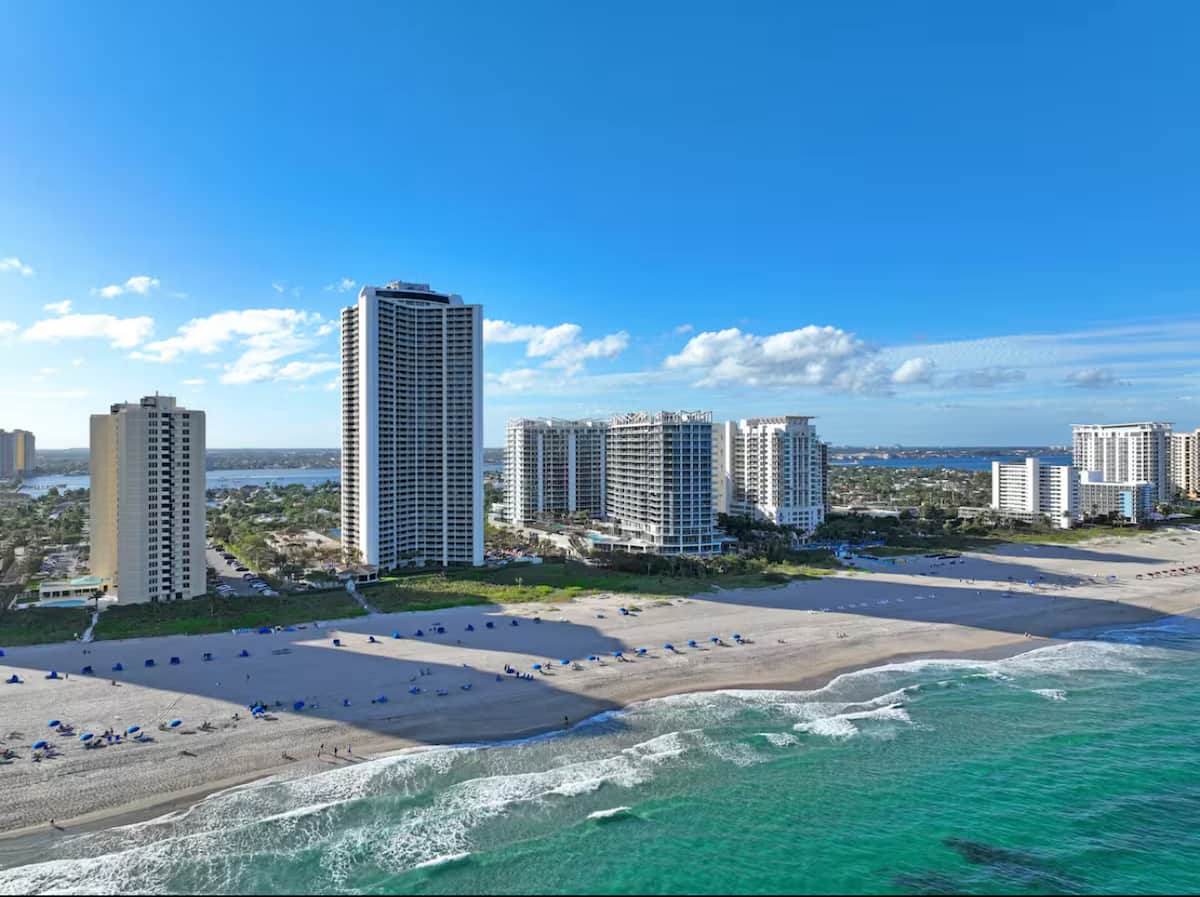
Some of the most memorable ways to get around Singer Island are not on roads at all. The Riviera Beach Marina, a short ride from the residence, is the hub for getting onto the water without owning or renting a boat, and two services in particular matter for a car-free stay.
The Peanut Island shuttle
Peanut Island is a seventy-nine-acre park sitting in the Lake Worth inlet, and it is one of the loveliest half-days in the area. A shuttle runs out to it from the Riviera Beach Marina roughly every twenty-five minutes through the middle of the day, in the neighborhood of ten in the morning to five in the afternoon. On the island you will find a calm snorkeling lagoon on the inlet side that is best around high tide, picnic areas, restrooms and showers, walking paths, and a Cold-War-era bunker built for President Kennedy. There are no concessions, so the golden rule is to bring your own food and water. You can also camp there overnight if you reserve ahead. The whole outing is car-free by design: rideshare or bike to the marina, hop the shuttle, and spend the day.
The water taxi and cruises
Beyond the shuttle, water taxis and cruise operators work the Intracoastal and the inlet from the marina and from the nearby Sailfish Marina. Depending on the season and the operator, you can find sightseeing runs, sunset cruises and eco tours that show you the waterway, the homes along it and the wildlife without any effort on your part. These are as much an experience as a way to travel, but they count: an afternoon on the water is a genuine outing that needs no car, and a sunset seen from the inlet is a very different thing from the same sunset seen from the balcony.
Getting to the marina without a car
The marina sits on the mainland side of the Intracoastal, near the foot of the bridge that connects to Singer Island. That makes it a very short rideshare from the residence, and a reasonable bike ride for confident cyclists who do not mind sharing the causeway. Either way, factor the crossing into your timing so you make the shuttle you are aiming for.
- Best for: a snorkel-and-picnic day at Peanut Island, a sunset on the water, a slow look at the Intracoastal.
- Bring: food, water, sunscreen and a dry bag — there is little to buy once you are out there.
- Tides matter: the Peanut Island lagoon snorkeling is best near high tide, so check before you go.
- Time the last boat: know the return-shuttle schedule so you are not stranded waiting at the end of the day.
None of this replaces day-to-day transport, but it is one of the quiet pleasures of staying here without a car: the water is not just a view from the twelfth floor, it is somewhere you can go on a whim. For the snorkeling and boating side of these trips in more depth, the beaches and outdoors guides carry the detail; for getting there, the headline is that you never need to drive to reach the water.
A car is optional here in a way it is not in most of Florida — the ocean is at the base of the tower, the spa is an elevator below, and everything else is a short ride, a train or a shuttle away.
On a car-free week at OASENA
05What is walkable and bikeable near the residence
The best car-free radius of all is the one you cover on your own two feet. The single biggest reason a car is optional here is that the main event never requires transport at all. The beach is at the base of the tower, with private beach service and chairs set out for residence guests, and the resort pools and the wellness centre are inside the building. On a classic Singer Island day — sand in the morning, the Aayush hydrothermal circuit an elevator ride below in the afternoon, a plant-forward dinner at TULĀ Oceanfront, the resort's own restaurant, in the evening — you may not step off the property once.
What is walkable
When you do want to leave the building on foot, the island rewards it. Stretches of Singer Island's beach and beach path connect the resort area to the Ocean Mall and the Municipal Beach, where casual spots like Johnny Longboats serve seafood a few steps from the sand. Exactly how far you will want to walk depends on the heat and your appetite for it; mornings and evenings are the comfortable windows, and the middle of a summer day is not. Take water, wear sunscreen, and treat a long beach walk as part of the fun rather than a commute.
Getting around by bike
A bike widens the circle considerably. Singer Island is flat and compact, which makes cycling an easy and pleasant way to reach more of it — the marina, more of the dining, and, for confident riders, across the bridge toward Phil Foster Park, where the famous Blue Heron Bridge snorkeling is. Ask the front desk about bikes; resort areas like this commonly have them, and a beach cruiser is all the island really calls for.
- Ride in the cool hours. Early morning and the hour before sunset are the kindest for both walking and biking.
- Share the causeway carefully. The bridge over the Intracoastal carries traffic; cross it only if you are comfortable riding near cars, and use lights at dusk.
- Lock up. Bring or borrow a lock for stops at the beach or a restaurant.
- Mind the sun and heat. Florida sun is stronger than it feels off the ocean breeze; hydrate and reapply.
Be realistic about the limits. Walkable and bikeable here means the beach, some dining and the near shore of the water — not the mainland restaurants across the bridge, not a full grocery run, and not the museums and shops of West Palm Beach. For those, you reach for a ride. But for the rhythm most people keep on a beach holiday — sand, water, wellness, a meal — your feet and a bike cover a surprising amount of it, and cover it more pleasantly than any car could. There is a certain freedom in a trip where the walk to dinner is along the beach and the ride you most often take is an elevator.
06Palm Tran: the county bus
Rounding out the picture is Palm Tran, Palm Beach County's public bus system. It is the least glamorous option in this guide and the one you are least likely to lean on, but it exists, it is inexpensive, and it is worth understanding so you can decide for yourself.
What it is good for
Palm Tran runs fixed bus routes across the county, connecting the Singer Island and Riviera Beach area with the mainland and points south and west. For a traveler on a budget, for the curious who like seeing a place the way locals do, or for a simple one-way trip when you are not in a hurry, it does the job for a small, flat fare — a fraction of what the same trip would cost by rideshare. Buses are air-conditioned and straightforward to ride once you know your route and stop.
The limitations
Set your expectations accordingly. Public transit in this part of Florida is built around a car-owning population, which means buses run less frequently than in a big city, and a trip that takes fifteen minutes by rideshare can take considerably longer once you account for the walk to the stop, the wait, the route and any transfer. It is a supplement to a car-free stay, not the backbone of one. If your day depends on tight timing — a train to catch, a dinner reservation — rideshare is the safer bet.
- Plan the route first. Check the current schedule and your nearest stop before you set out; a mapping app that includes transit will show you options and times.
- Carry the fare. Have the exact fare or the transit app ready; drivers may not make change.
- Build in buffer. Give yourself margin on either end so a missed connection does not derail the day.
- Best paired with walking. A bus that gets you most of the way, plus a short walk, can be a fine, cheap way to reach a specific destination.
When it makes sense
A few situations suit the bus well. If you are staying a while and want to reach a specific mainland errand or a stretch of shops without the meter of a rideshare running, the bus is a calm, cheap way to do it. If you enjoy travel that is a little slower and more local, a ride down the coast can be its own small pleasure. And if a rideshare surge has prices spiking on a busy evening, a bus that happens to be going your way is a reasonable fallback. None of these will be your everyday routine, but each is a real reason the option belongs in your back pocket.
Think of Palm Tran as the safety net and the budget option rather than your default. Most guests will get around beautifully on rideshare, the train and their own feet, and never open a bus schedule. But it is there, it costs almost nothing, and for the right kind of unhurried traveler it is a pleasant, honest way to see the area at ground level.
07Groceries and meals to the residence
One of the quiet advantages of staying in an actual residence rather than a hotel room is the kitchen, and one of the quiet advantages of the modern grocery world is that you never have to visit a store to fill it. Between grocery delivery and meal delivery, a car-free guest can eat extremely well without ever driving to a supermarket.
Groceries to the door
Publix and Whole Foods are both a short drive away, which matters less than it used to, because both are well covered by delivery services like Instacart that bring an order straight to the residence. The kitchen here is a full Miele suite with an island that seats eight, so it is built for people who want to cook — or simply to keep the fridge stocked with breakfast, snacks, wine and the makings of an easy dinner in. The move that pays off most is ordering a first grocery delivery to arrive around when you do, so your first morning does not start with a supply run.
Meals and restaurant delivery
For the nights you would rather not cook, the usual food-delivery apps operate across the area and will bring meals from local kitchens to the tower. Between that and the resort's own dining, a night in requires no transport and no planning beyond a few taps. And when you do want to go out, remember that the residence's own building has TULĀ Oceanfront downstairs, so even dinner out can mean nothing more than an elevator.
Making deliveries smooth
- Tell the front desk. A large resort tower has a way it likes deliveries handled; a quick word with the front desk or valet about an incoming grocery or food order avoids confusion at the door.
- Time the first order. Schedule an arrival-day grocery drop so the essentials are waiting — coffee, water, breakfast, whatever your mornings need.
- Delivery windows. Grocery slots fill up in the busy season; book your window a little ahead rather than assuming a same-hour delivery.
- Tip the courier. As with rideshare, the apps make it easy and it is the right thing to do.
Stack these habits together and the practical case for a car weakens considerably. The two errands that most often send travelers to a rental car — groceries and dinner — both come to you here. You keep the kitchen full without a supermarket trip, you get a good meal without a drive, and you spend the time you would have spent shopping on the beach or in the spa instead. For a fuller take on provisioning, and on where the good coffee and breakfast spots are, the food guides go into more detail; for getting around, the headline is simply that the residence is an easy address to deliver to.
08A sample car-free week
Theory is one thing; a week is another. Here is one honest version of a car-free week at OASENA, built entirely from the options in this guide. Treat it as a template to bend around your own tastes, not a schedule to follow to the minute. It assumes a couple or a small group, a mix of doing-nothing and going-somewhere, and no rental car at any point.
Day by day
- Arrival day. Rideshare from the airport — about fifteen minutes from Palm Beach International — and time a grocery delivery to land around when you do. Unpack, stock the Miele kitchen, and have the first dinner in or downstairs. No car, no supermarket run, no fuss. The getting here guide covers the arrival itself in detail.
- Settle-in day. Stay on the property entirely. Beach in the morning with chair service, the Aayush hydrothermal circuit an elevator ride below in the afternoon, dinner at TULĀ downstairs. You will not move a vehicle all day and you will not want to.
- Train day. Rideshare to the West Palm Beach station and take Brightline to Miami for a museum, a long lunch and a wander, then ride the train home in the evening. A whole city, no driving, no parking.
- Water day. Rideshare or bike to the Riviera Beach Marina and catch the Peanut Island shuttle for a snorkel-and-picnic day in the lagoon — food and water packed, since there are no concessions out there. Back by late afternoon.
- Across-the-bridge night. A slow beach-and-spa day, then a rideshare over to West Palm Beach in the evening for dinner and a stroll on Clematis Street or a nicer table near Rosemary Square. Order the ride home before the after-dinner rush.
- Nature day. Rideshare up to John D. MacArthur Beach State Park, just north on the island, for the nature center, the boardwalk over the estuary and the ancient reef in the shallows. It is a short, cheap ride each way, and easy to time.
- Slow last day. Nothing scheduled. A final long morning on the sand, a last treatment below, and a leisurely lunch before you pack. Rideshare back to the airport whenever your flight dictates.
Add up the transport in that week and it is a handful of short rideshares, one train ride, one shuttle and a couple of bike trips — nothing that asks much of you and nothing that requires a rental counter, a parking space or a tank of gas. The two days that leave the immediate area, the train day and the across-the-bridge night, are exactly the kind of outing a car makes more stressful rather than less, given traffic and parking. The days that stay close are effortless because the beach and the spa are already downstairs.
Swap freely: trade the Miami train day for Fort Lauderdale or a theme-park run, trade the nature day for a round of golf reached by rideshare, trade a spa afternoon for a snorkel at the Blue Heron Bridge. The frame holds no matter how you rearrange it — a week here fills itself comfortably without a car.
09The trade-offs
This guide would not be worth much if it pretended a car-free stay is perfect for everyone. It is not. Here, is where you might wish you had a car — and how to think about it before you commit.
Where a car wins
- Beach-hopping and far-flung days. If your ideal trip is a different beach every day, spontaneous drives up to Jupiter or down to Delray, or a day out west toward the Everglades, a car is far more practical than stitching together rideshares to places transit does not serve well.
- Golf and gear. A tee time at a championship course up in Palm Beach Gardens, with clubs to haul, is a car kind of errand.
- Families with small children. Car seats and rideshare are an awkward mix, and the math of several short trips a day with kids often favors a rental.
- Big grocery hauls and lots of nights in. Delivery covers this well, but if you plan to cook a great deal for a full house, some people simply prefer to shop in person.
- Total spontaneity. There is a freedom to walking out and driving off on a whim that no amount of good rideshare fully replaces.
The cost question
Money cuts both ways, and it is worth being clear-eyed. Going car-free saves you the rental itself, the parking, the gas and the toll charges — Florida's toll roads use the SunPass system, and rental packages for it add up. Against that, a week of rideshares, especially with a couple of longer trips and any surge pricing in the busy season, is not nothing. For a stay built mostly around the property with a few outings, car-free almost always comes out ahead or close to even, and with far less hassle. For a stay built around constant driving to scattered places, a rental usually wins on both cost and convenience.
The middle path
You are not forced to choose once for the whole trip. Plenty of guests go car-free by default and simply rent a car for a day or two in the middle — the beach-hopping day, the golf outing, the long drive north — then return it and go back to rideshare. The residence has valet parking, so having a car for part of a stay is easy to manage. If that sounds like your trip, the renting a car guide lays out where and how to pick one up, including the airport rental center, and when it is worth it.
The honest bottom line: a car buys you reach and spontaneity, and costs you traffic, parking and a daily expense you may barely use. For the kind of stay most people book here — beach, wellness, good food, the occasional bigger day out — the reach you give up is small and the calm you gain is real.
10Putting it together and making the call
So how do you decide? You do not need a spreadsheet — a few honest questions about the trip you are planning will settle it quickly.
Lean car-free if…
- Your center of gravity is the residence, the beach and the wellness centre downstairs.
- You are here for a shorter stay and would rather skip the rental counter entirely.
- Your idea of a great day trip is a train to Miami or Fort Lauderdale, not a drive.
- You are a couple or a pair of friends without car seats to worry about.
- You value calm over spontaneity and do not mind waiting a few minutes for a ride.
Lean toward a car if…
- You want a different beach, town or course most days of the trip.
- You are traveling with young children and their car seats.
- You are staying a good while and will run many errands and cook a lot.
- Long drives — north to Jupiter, west to the Everglades — are the point of your trip.
- The freedom to leave on a whim matters more to you than the daily cost and the parking.
A word on the seasons
Timing tips the scales a little too. In the mild, dry months from late fall through spring, when you are mostly moving between the residence, the beach and dinner, car-free is at its easiest and most pleasant. In the deep heat of summer, walking and biking lose some of their appeal in the middle of the day, and you will rideshare a bit more — still perfectly workable, just less of the trip on foot. If you are the type who wilts in humidity, factor that in; if you are not, it barely registers.
If you land somewhere in the middle, remember the compromise from the last section: go car-free most of the time and rent for a day or two when it earns its keep. That, honestly, is what a lot of repeat guests end up doing, because it keeps the everyday calm of a car-free stay while buying back the reach of a car exactly when they want it.
Whatever you choose, the machinery for a car-free stay is all here and all easy: rideshare at your door in minutes, a fast train fifteen minutes away, a shuttle to an island in the inlet, a walkable beach, a county bus for the patient, and groceries and dinner that come to you. The residence is an easy place to be without a car — which is a rarer thing in Florida than it sounds, and one of the quiet reasons a week here feels less like logistics and more like a rest. When you are ready to work out the arrival itself, the guide to getting here is the place to start; and if you decide a car earns its place after all, the renting a car guide will get you sorted.
Common questions
Do I really need a car to stay at OASENA?
For a stay built around the residence, the beach and the wellness centre, <strong>no</strong>. Uber and Lyft, the <a href="/guides/brightline-train-guide/">Brightline</a> train for day trips, delivery to the door and a walkable beach cover most trips. A car is easier if you plan to visit far-flung places most days — see <a href="/guides/rental-car-guide/">renting a car</a>.
How do I get from the airport to the residence without a car?
By rideshare. Palm Beach International is only about fifteen minutes away, so an Uber or Lyft to the residence is short and inexpensive. Have your driver use the valet arrival area at the tower. The <a href="/guides/getting-to-singer-island/">getting here</a> guide covers arrival in full.
Can I handle groceries and dinner without a car?
Easily. Publix and Whole Foods reach the residence through delivery services like Instacart, meal-delivery apps bring dinner from local kitchens, and the resort's own TULĀ Oceanfront is downstairs. The kitchen is a full Miele suite, so a stocked fridge and a night in take no driving at all.
Can I do day trips without a car?
Yes. <a href="/guides/brightline-train-guide/">Brightline</a> from West Palm Beach reaches Miami in a little over an hour, plus Fort Lauderdale, Boca and Aventura, with just a short rideshare to the station. Closer to home, a shuttle from the Riviera Beach Marina runs out to Peanut Island, and rideshare handles trips like MacArthur Beach State Park.
Your quiet address above the Atlantic
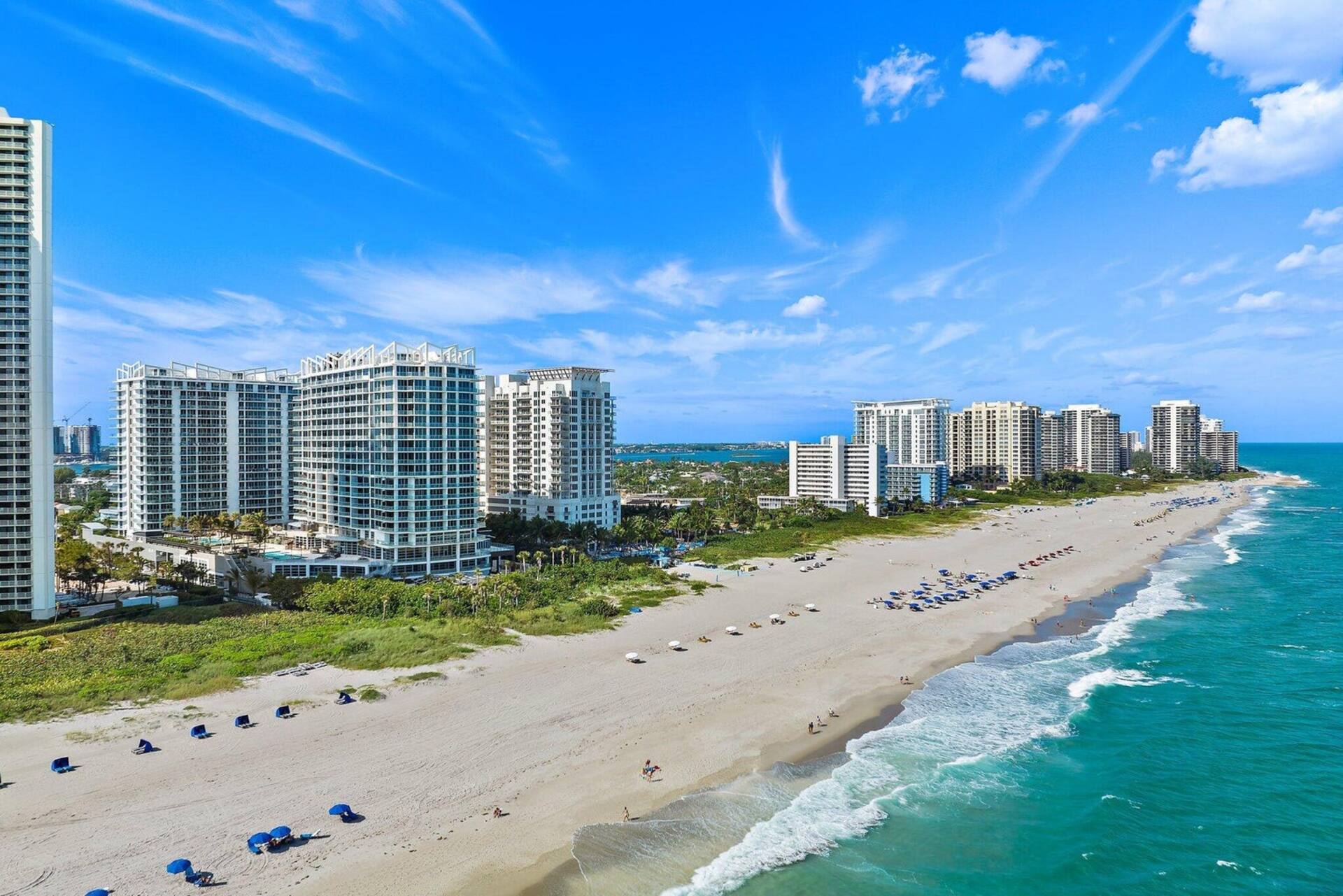
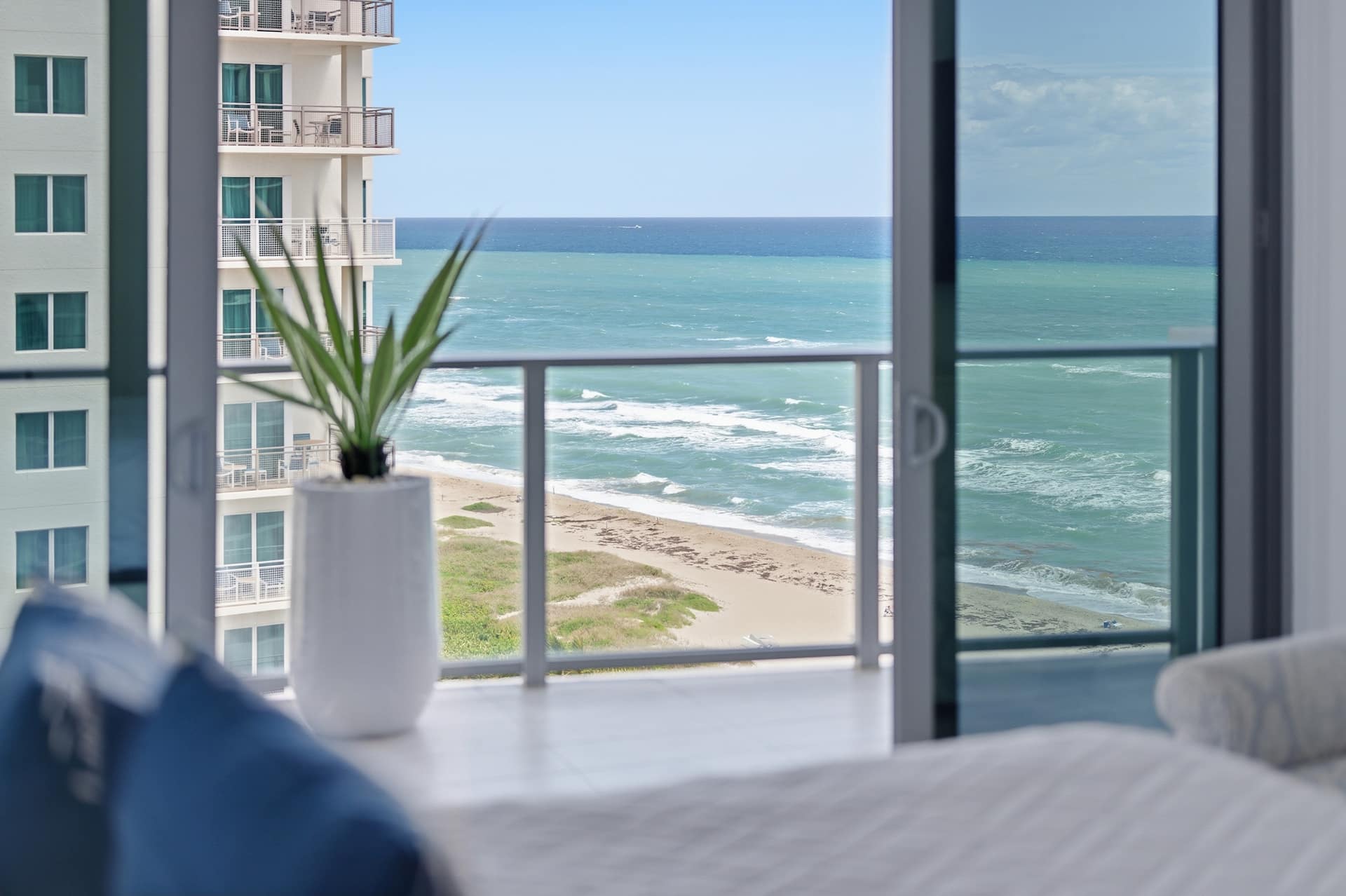
OASENA is a private two-bedroom home on the twelfth floor of the Happiness Tower — floor-to-ceiling ocean views, a sweeping balcony, and this entire wellness world an elevator ride below.
OASENA is a privately owned residence within Amrit Ocean Resort & Residences and is not operated by, affiliated with, or endorsed by the resort. See credits & notes.