What hurricane season means for a stay
The Atlantic hurricane season runs from June into late November, and most of it is nothing more dramatic than a warm afternoon and a passing storm. Here is what the months mean for a stay, and why the season's warmest, quietest weeks fall in September.
Planning
When the season runs
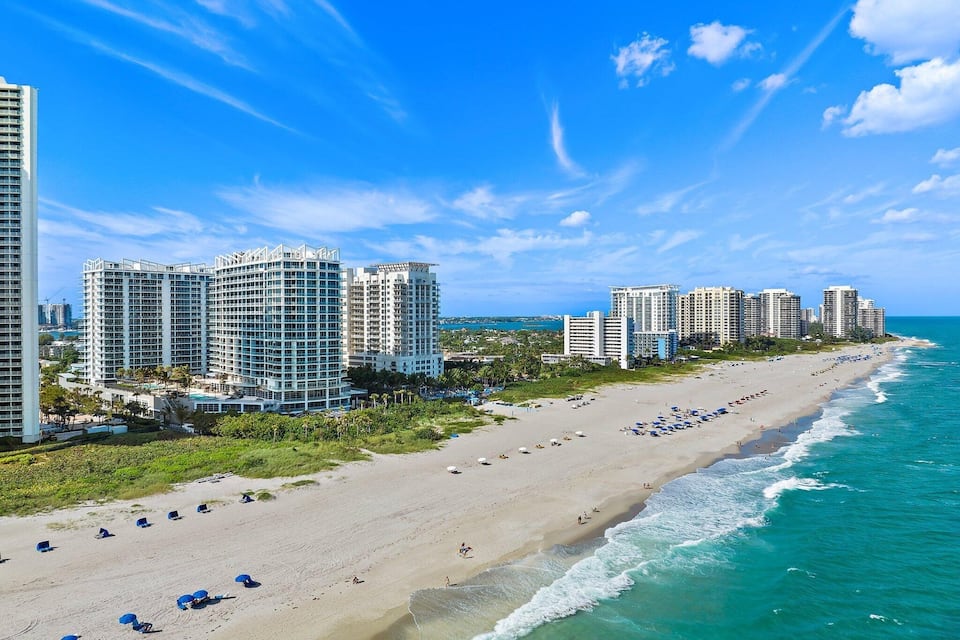
The Atlantic hurricane season officially runs from June 1 through November 30, which covers most of the warm half of the year on Singer Island. That sounds like a long stretch to keep in mind, and it helps to put it in proportion. Most of those six months are simply the hot, stormy summer the island is known for: bright mornings and a short afternoon downpour that has nothing to do with a tropical system. Named storms are a small part of the season, and they cluster in the back half of it.
Here is the shape of the season, so you can see where your dates fall:
- June and July are historically the least active weeks, with warm water and long days.
- August into October is when tropical activity picks up, and September is the statistical high point.
- November winds the season down as the dry, mild high season begins.
Even in the busiest weeks, a direct hit on this stretch of coast in any given week is rare, and the National Hurricane Center tracks anything in the Atlantic for days before it could matter. The season is a reason to plan a little, not a reason to write off the summer and early fall. Our when-to-visit guide takes the year apart month by month.
A typical summer day
Once you learn its rhythm, a summer day here is easy to plan around. Mornings are usually bright and calm, the best window of the day for the beach, a swim or a paddle. As the land heats up, the sea breeze and the humidity stack the sky with tall clouds, and by early or mid afternoon a thunderstorm rolls through. It is usually short and heavy, an hour of lightning and rain, and then it clears and the evening turns soft and golden.
The trick is to front-load the outdoor plans and treat the afternoon storm as your cue to head inside for a while: a long lunch, the kitchen and the sofa, or the wellness center an elevator ride below.
Waiting out the storm
- Respect the lightning. Florida sees more of it than any other state. When you hear thunder, get off the sand and out of the water and wait it out indoors.
- Go early. The calmest sea, the clearest light and the emptiest beach are all before noon.
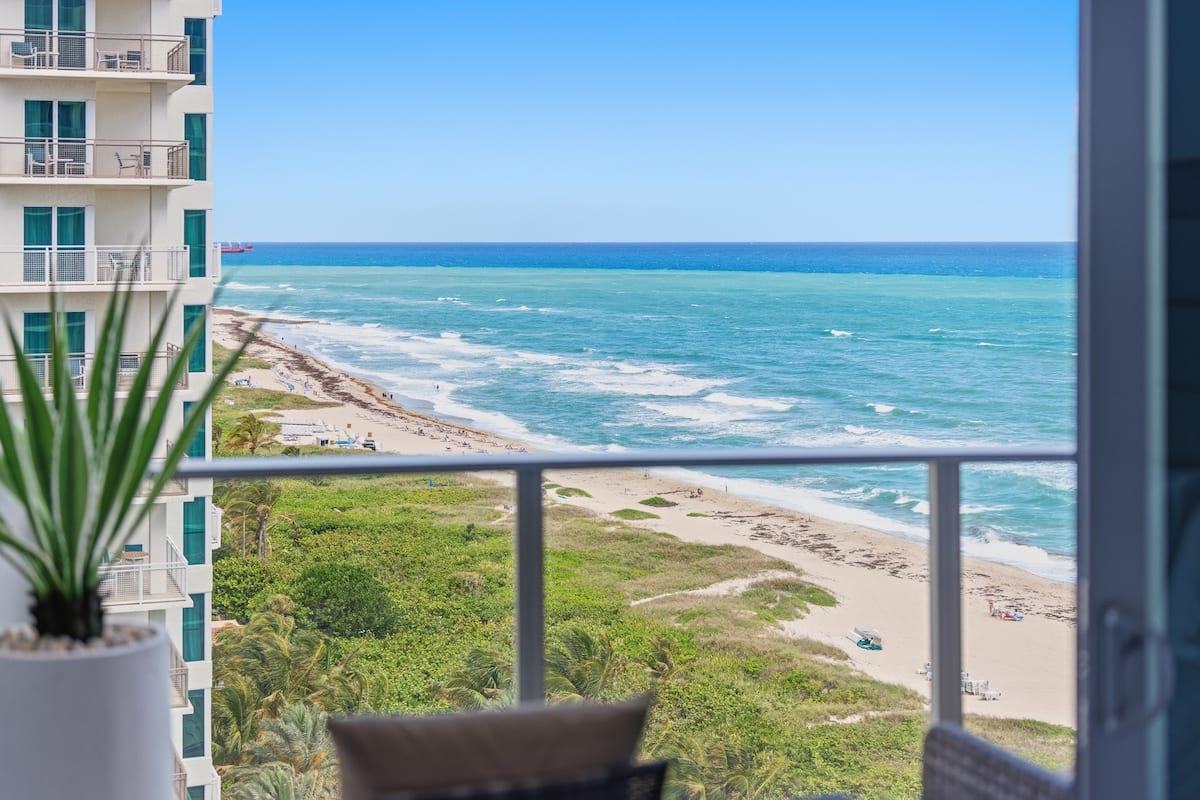
- Watch it from the balcony. A thunderhead building over the ocean is one of the better sights of a summer stay, and the twelfth floor has a front-row view.
If a storm is forecast
A tropical system pointed this way is uncommon, and you will not be caught off guard by one. The National Hurricane Center follows anything in the Atlantic for many days ahead, so during the season it is enough to keep a casual eye on its outlook in the week before you fly. If nothing is out there, put it out of mind and enjoy the trip.
A few sensible steps cover the rare occasion when the weather does interfere:
- Consider travel insurance for a summer or fall booking. A policy that covers trip interruption and weather cancellations is inexpensive peace of mind, so read what it covers before you buy.
- Check the listing's cancellation policy on Airbnb. It is set on the listing and shown before you confirm, and it can differ by season and by how far ahead you book, so read the version attached to your dates.
- Keep a little slack in your plans. A refundable flight and an unhurried schedule take the sting out of a change of plans.
The building itself is built for the weather. Modern Florida oceanfront towers are engineered to strict hurricane codes, with impact glass and serious structural standards, and in the uncommon event of a watch or warning you follow the resort's guidance. For the reservation side of things, the how to book page walks through the whole path from dates to the door.
Why September is quiet
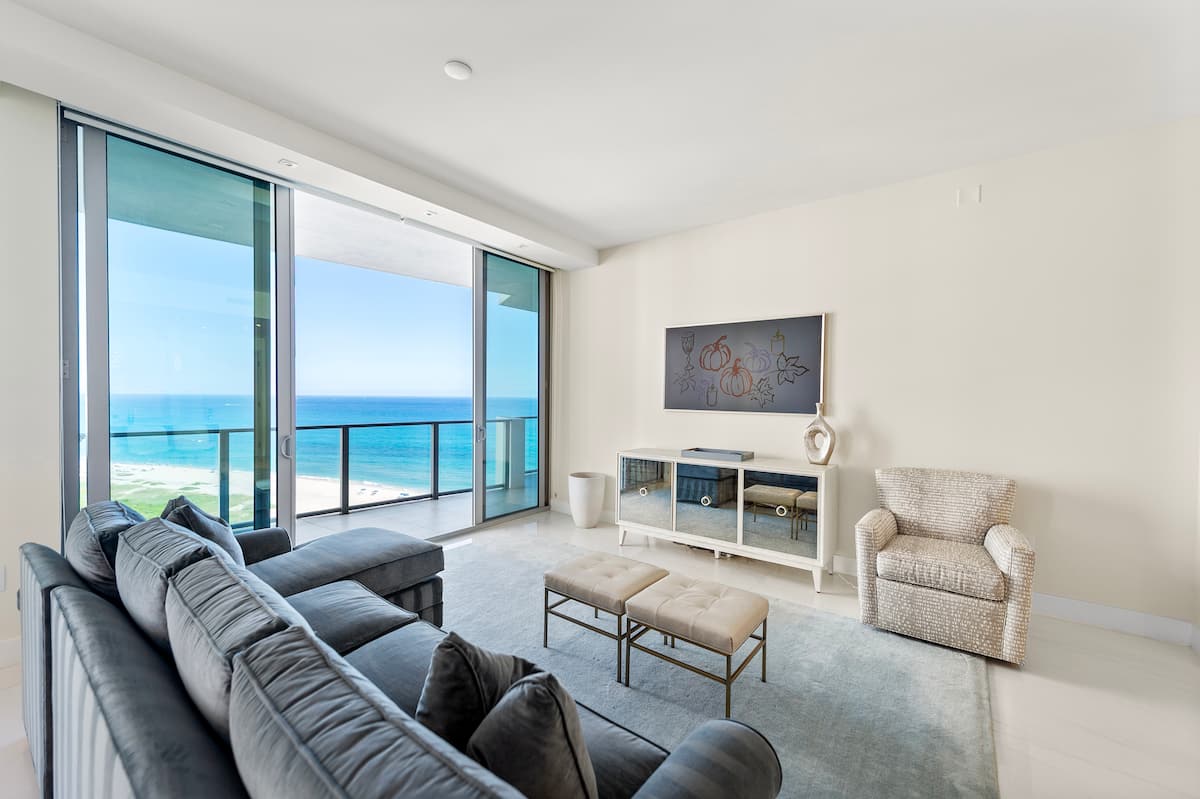
The reason September is the island's quietest month is the same reason it sits at the peak of the storm season, and the two are worth weighing together. The social season here runs from November through April. Through the summer the crowds thin, and by September school is back, the winter regulars have not returned, and the beach in front of the residence is close to your own.
What you get for coming in the quiet is real:
- The warmest water of the year, often around eighty-five degrees, so the swimming is at its best.
- Empty mornings on the sand and a table almost anywhere you like without a reservation.
- The softest demand of the year, since this is the low season for the whole coast.
The trade is the one the rest of this post has covered: September is the statistical high point of the season, so you come with an eye on the forecast, a flexible booking and, if it suits you, a travel policy. Do that, and the reward is the island at its most peaceful. If you would rather not think about storms at all, the dry winter and spring are your months instead. The note on the island's quietest month and the beaches guide go a little further.
More from the journal
All posts → The turtle hospital at Juno BeachA free sea-turtle hospital sits up the coast in Juno Beach, on one of the country's densest nesting beaches. Here is what it is, when the turtles nest, and how to keep the beach dark for them.Read →
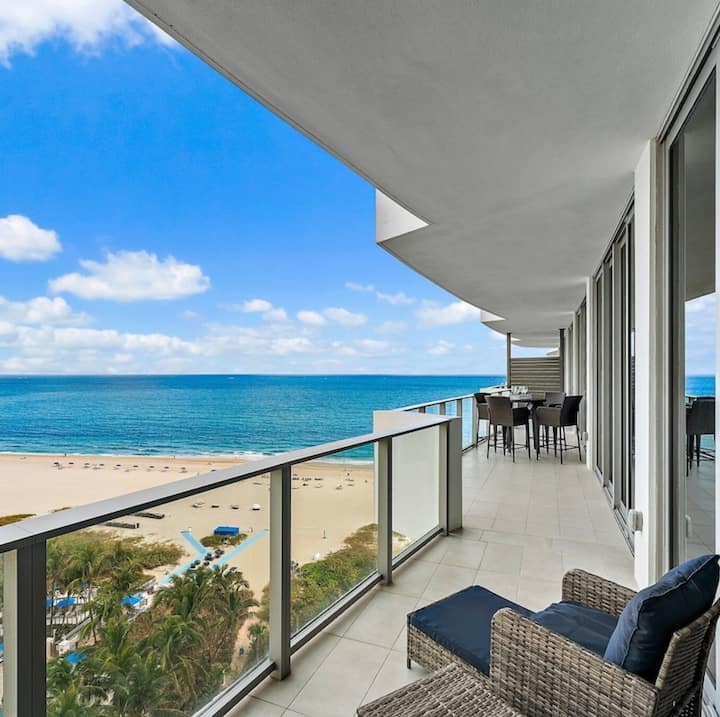 A day in Miami on the BrightlineMiami is a little over an hour down the coast, and the train turns it into an easy day trip. Here is how one goes, from the ride to the station to sunset back on the balcony.Read →
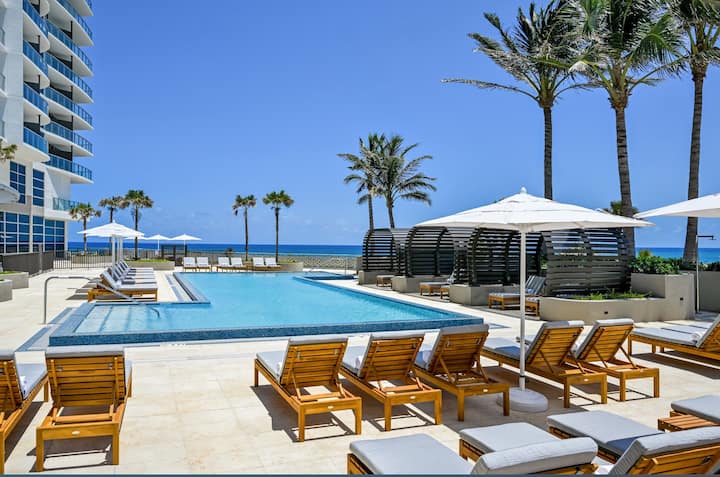 Why September is the island's quietest monthThe crowds thin, the ocean is at its warmest, and the beach is nearly your own — with one honest caveat worth planning around.Read →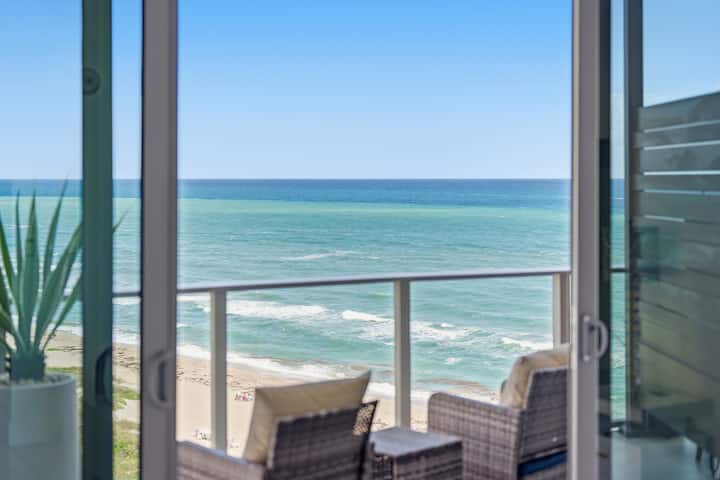
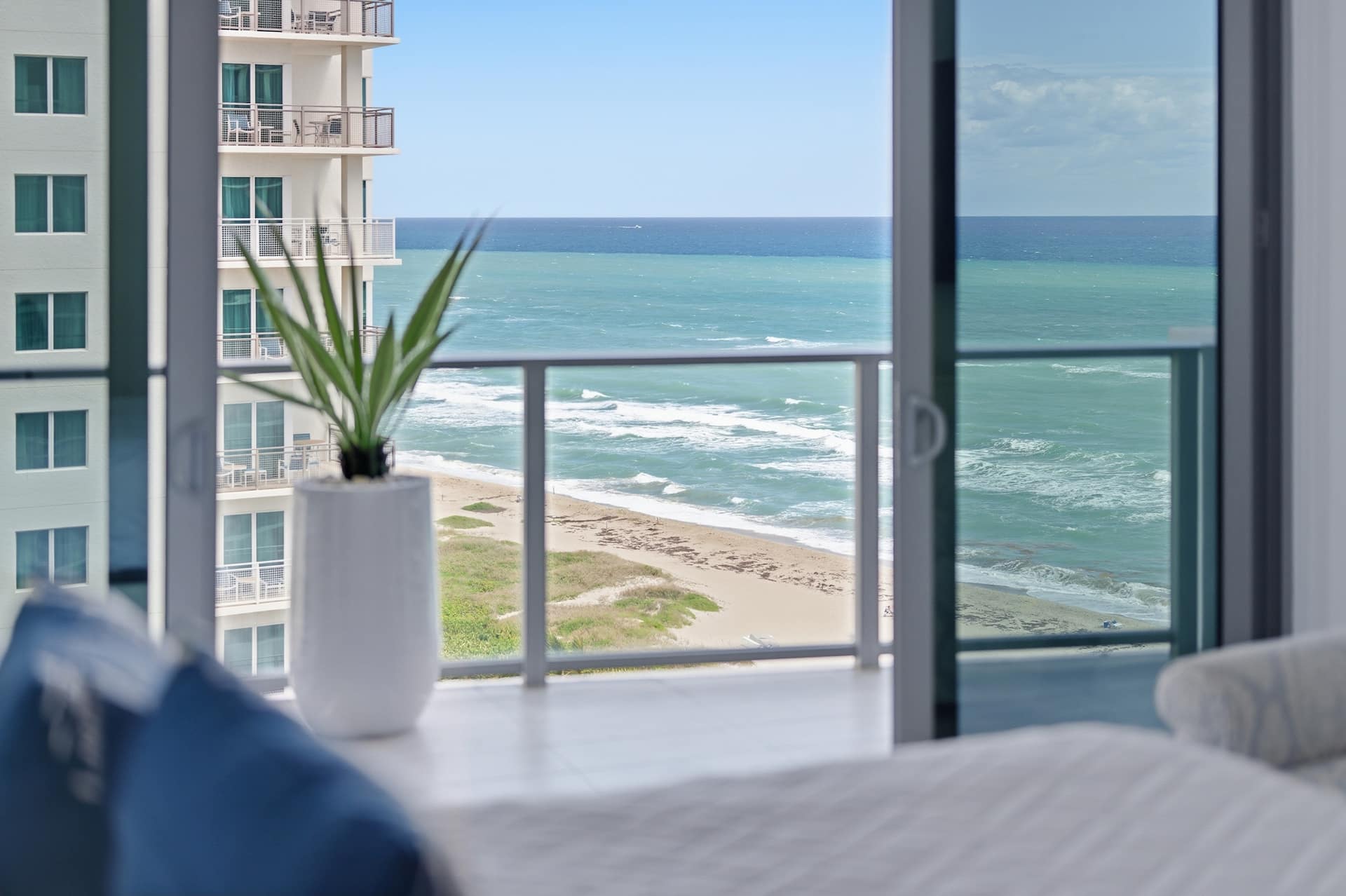
Stay at OASENA
A private two-bedroom home on the twelfth floor of the Happiness Tower: floor-to-ceiling ocean views, a wide balcony, and the resort's wellness centre an elevator ride below. Dates and rates are on Airbnb.
OASENA is a privately owned residence within Amrit Ocean Resort & Residences and is not operated by, affiliated with, or endorsed by the resort. See credits & notes.